Backyard Birding That Attracts More Birds
How my backyard became the place I notice birds every single day.
Table of Contents
Why this guide exists
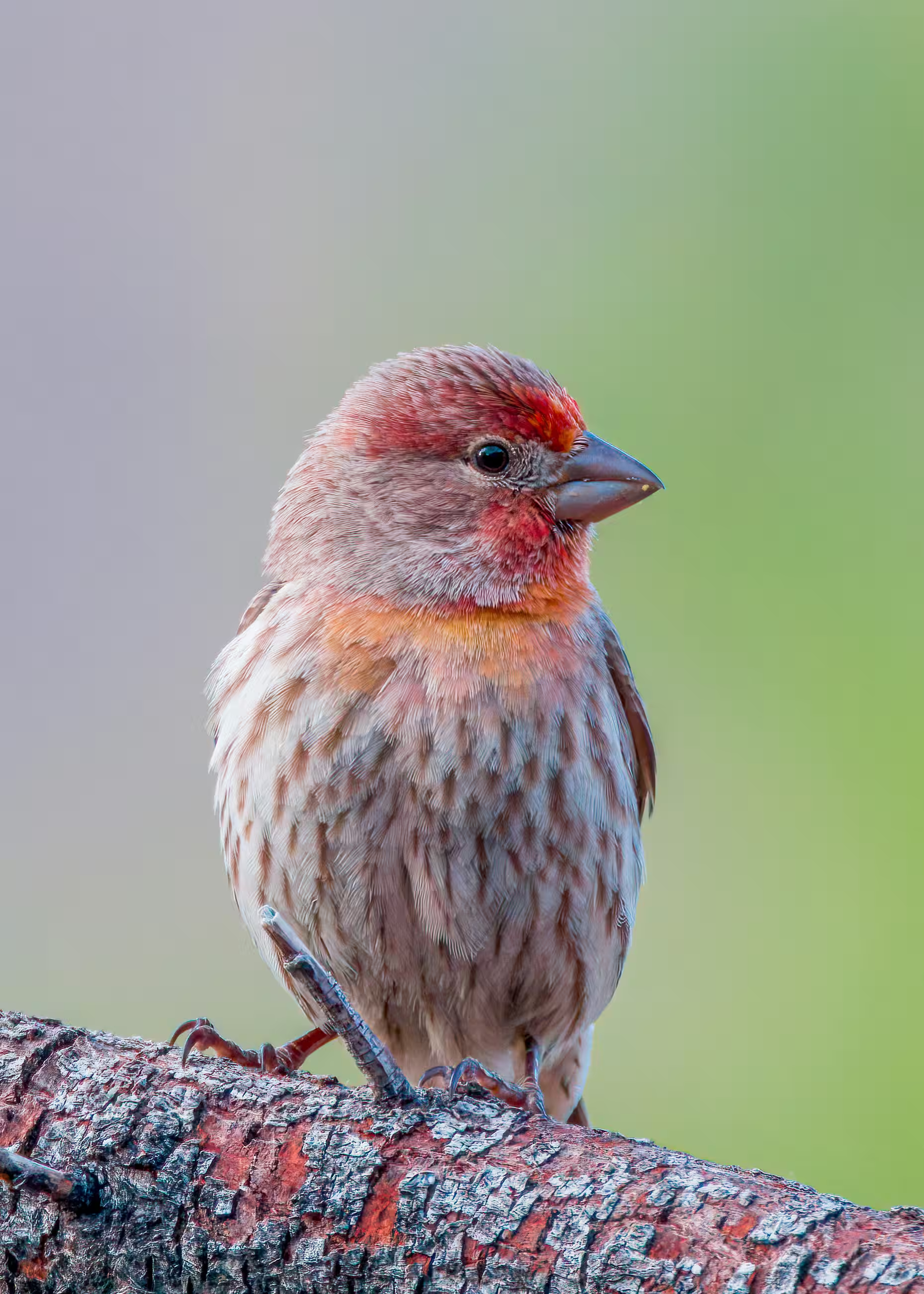
Backyard birding is where everything clicked for me. It started simply—my wife saying, “Let’s find out what birds these are,” and buying our first two feeders. When the first House Finch showed up, she laughed and said out loud, “Go tell your friends!” And apparently… they did.
What followed wasn’t a grand plan. It was curiosity, small experiments, and the realization that if you make your yard reliable, birds reward you with behavior, patterns, and surprises you don’t get anywhere else. Now there’s almost always something happening outside our window.
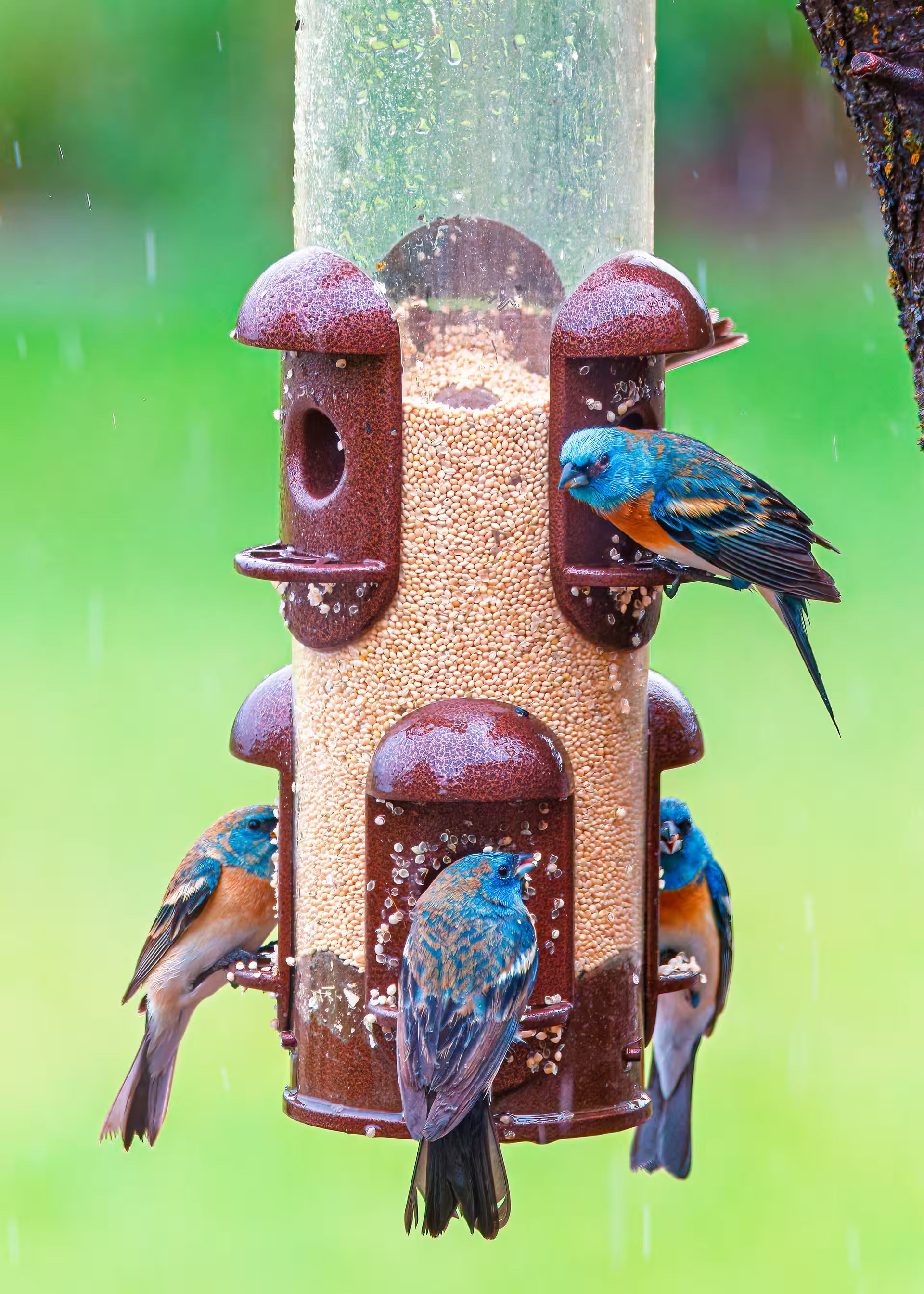
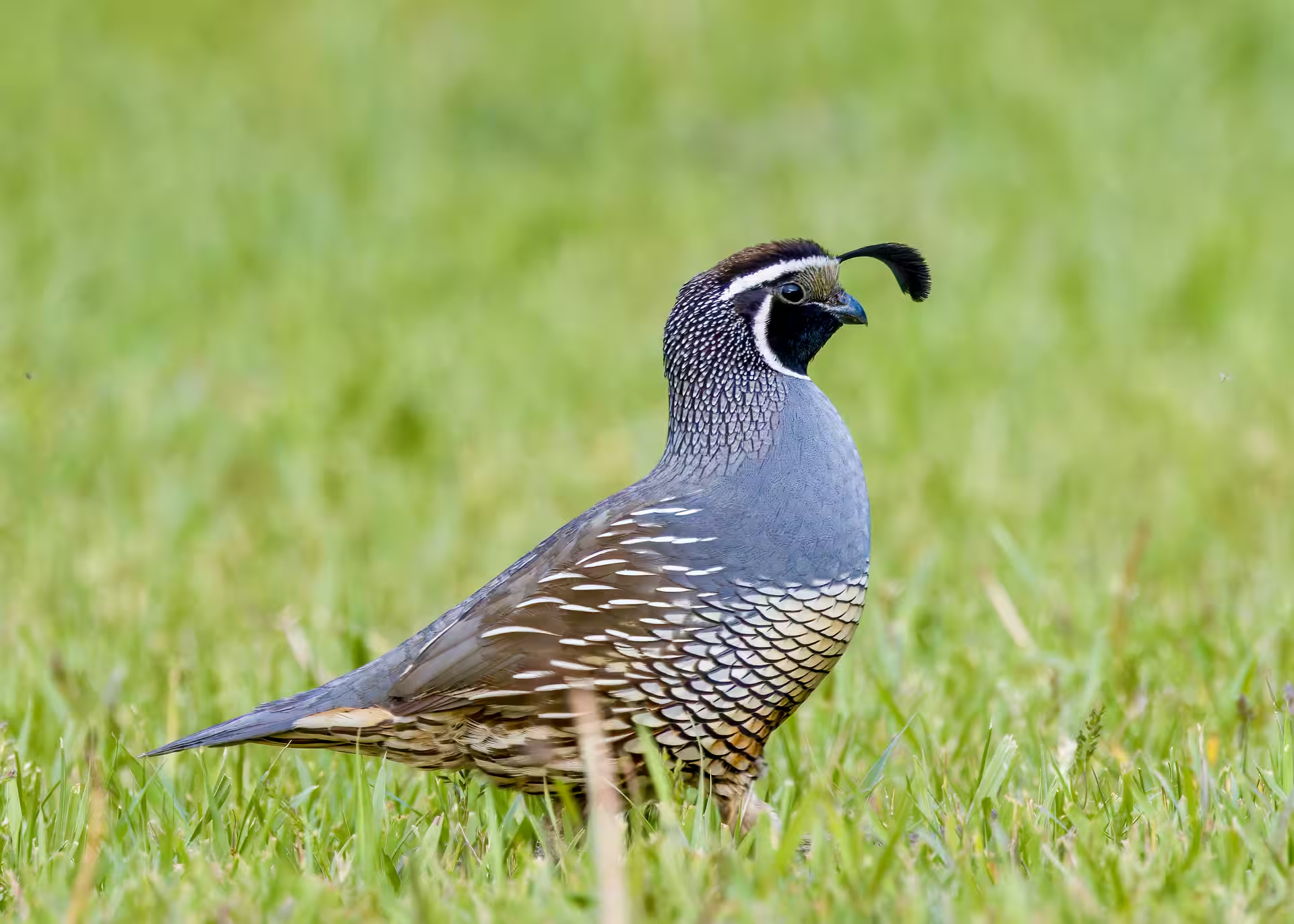
California Quail shuffle underneath the feeders. Chickadees dart in and out. In winter, Dark-eyed Juncos practically move in. And every May, Lazuli Buntings arrive in waves—one, then two, then four, until the yard feels electric for a few weeks.
This guide isn’t about the perfect setup. It’s about the feeders, foods, and small choices that actually worked in my yard—and why they worked.
Amazon Affiliate Disclosure
Every quest needs gear—and when you shop through our links, you help keep the adventure alive.
As an Amazon Associate, FeatherQuest earns from qualifying purchases.
Start Here: The Reliable Regulars
If you’re starting from scratch, these seeds establish trust fast. They’re the foods that taught me who actually lives here—and who shows up when conditions are right. Once birds learn your yard is reliable, everything else starts working better.
Nyjer / Thistle Seed (10 lb)

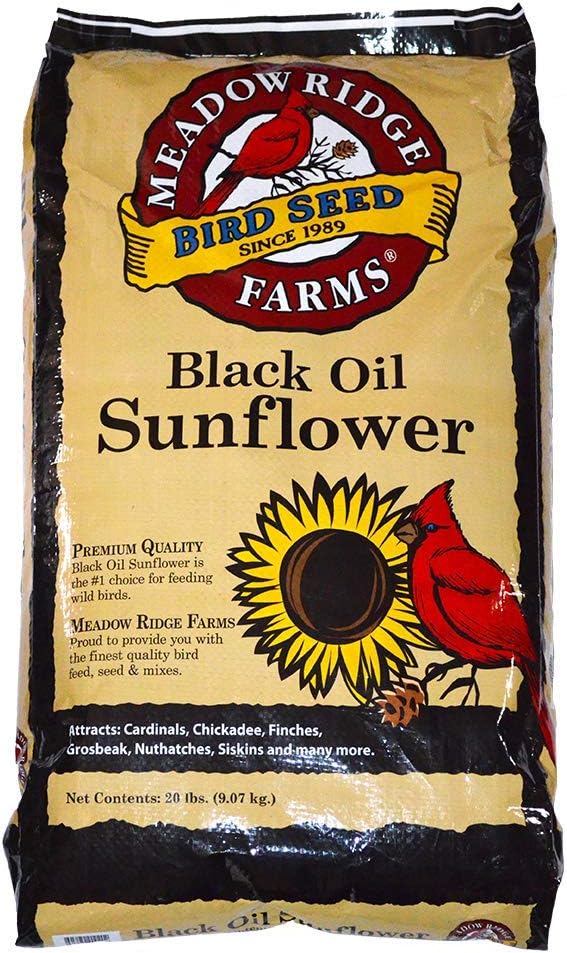
Black Oil Sunflower Seed (20 lb)
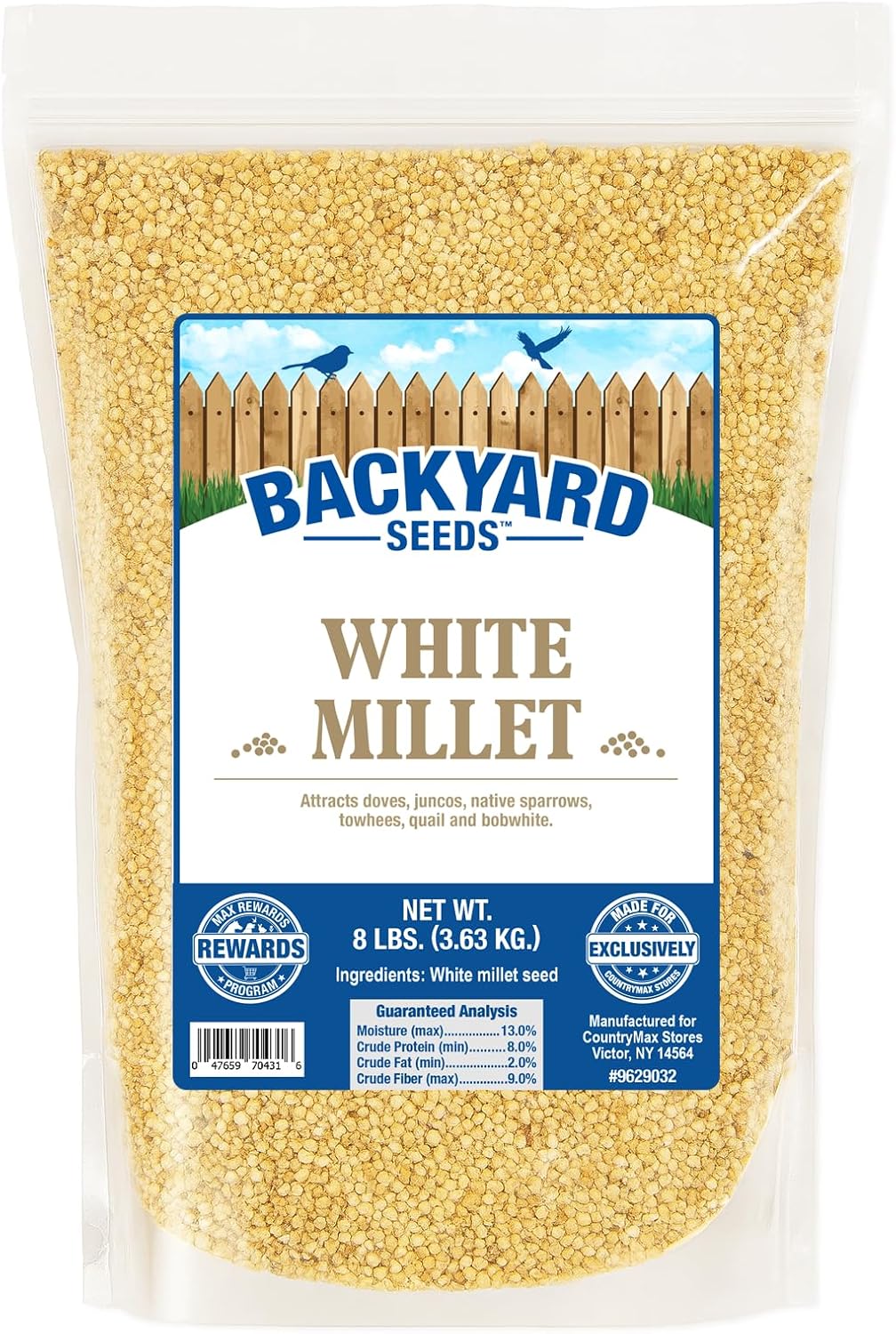
White Millet Seed (8 lb)
Match the Feeder to the Bird
The right feeder makes as much difference as the seed itself. One of my biggest early breakthroughs was realizing that most frustration wasn’t about birds—it was about mismatched feeders. When seed size and feeder design align, visits last longer, mess drops, and behavior becomes easier to observe.
If I could go back and add one feeder sooner, it would be a fine‑mesh nyjer feeder. That single change unlocked goldfinches almost overnight—and it’s one of the cleanest, easiest wins in backyard birding.
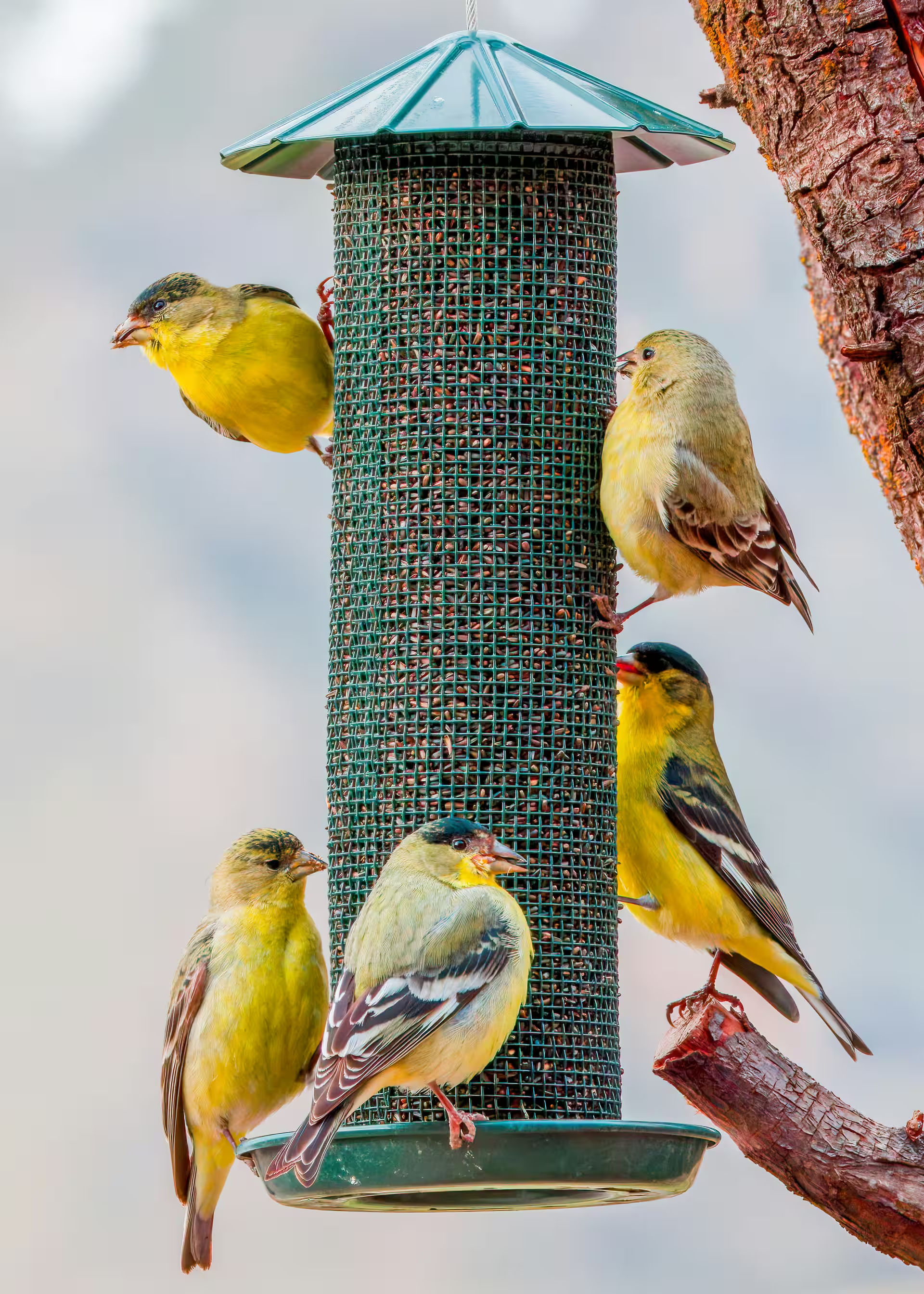
Metal Mesh Tube Feeder (Nyjer)
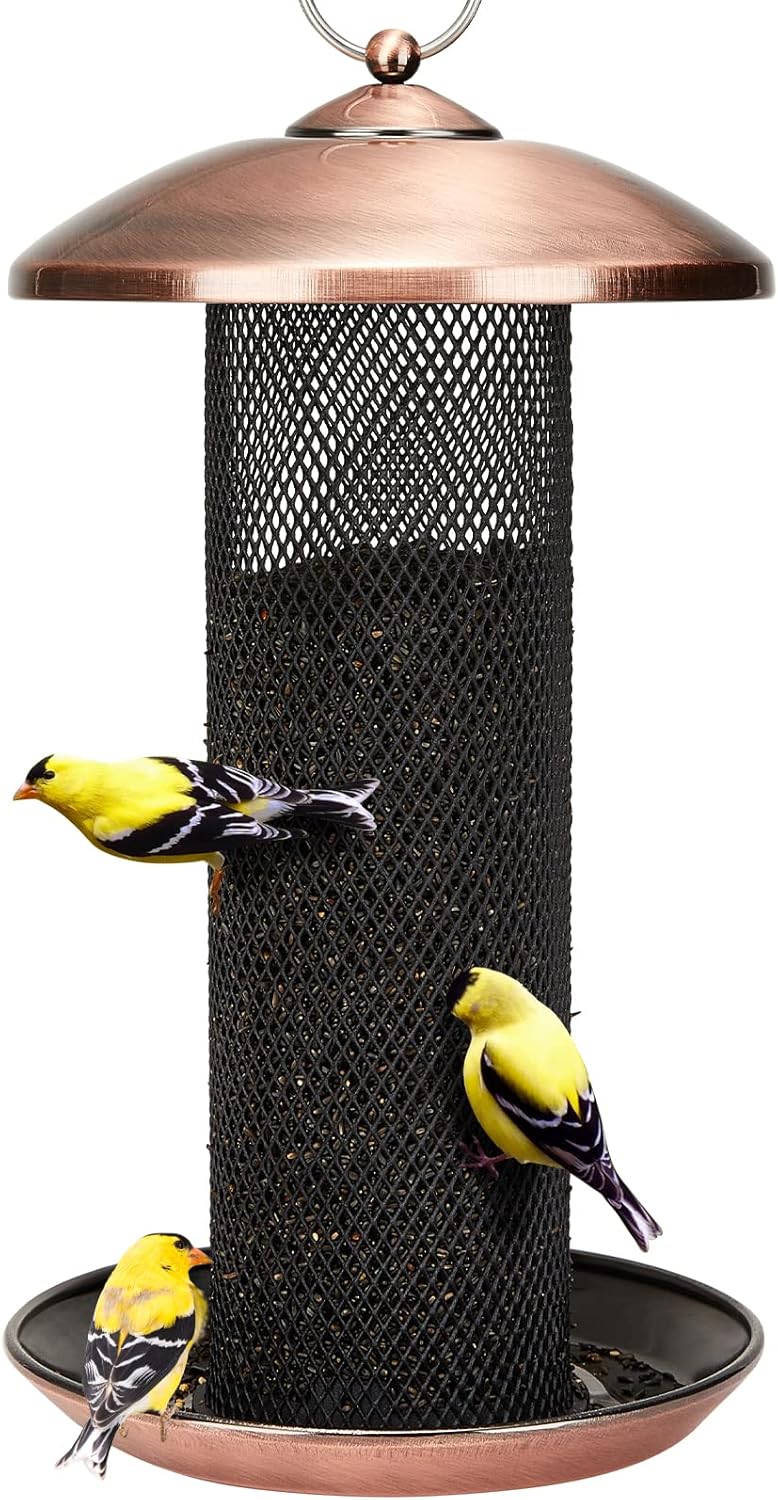
Metal Tube Feeder (Sunflower Seed)

Metal Tube Feeder (Millet)

Big Personalities Need Bigger Calories
This is where backyard birding gets fun. High‑energy foods bring in bold birds with real personalities—jays that stash, woodpeckers that cling, chickadees that dart. Jays will absolutely game the system, but watching quail clean up underneath taught me to stop fighting nature and let the ecosystem balance itself.
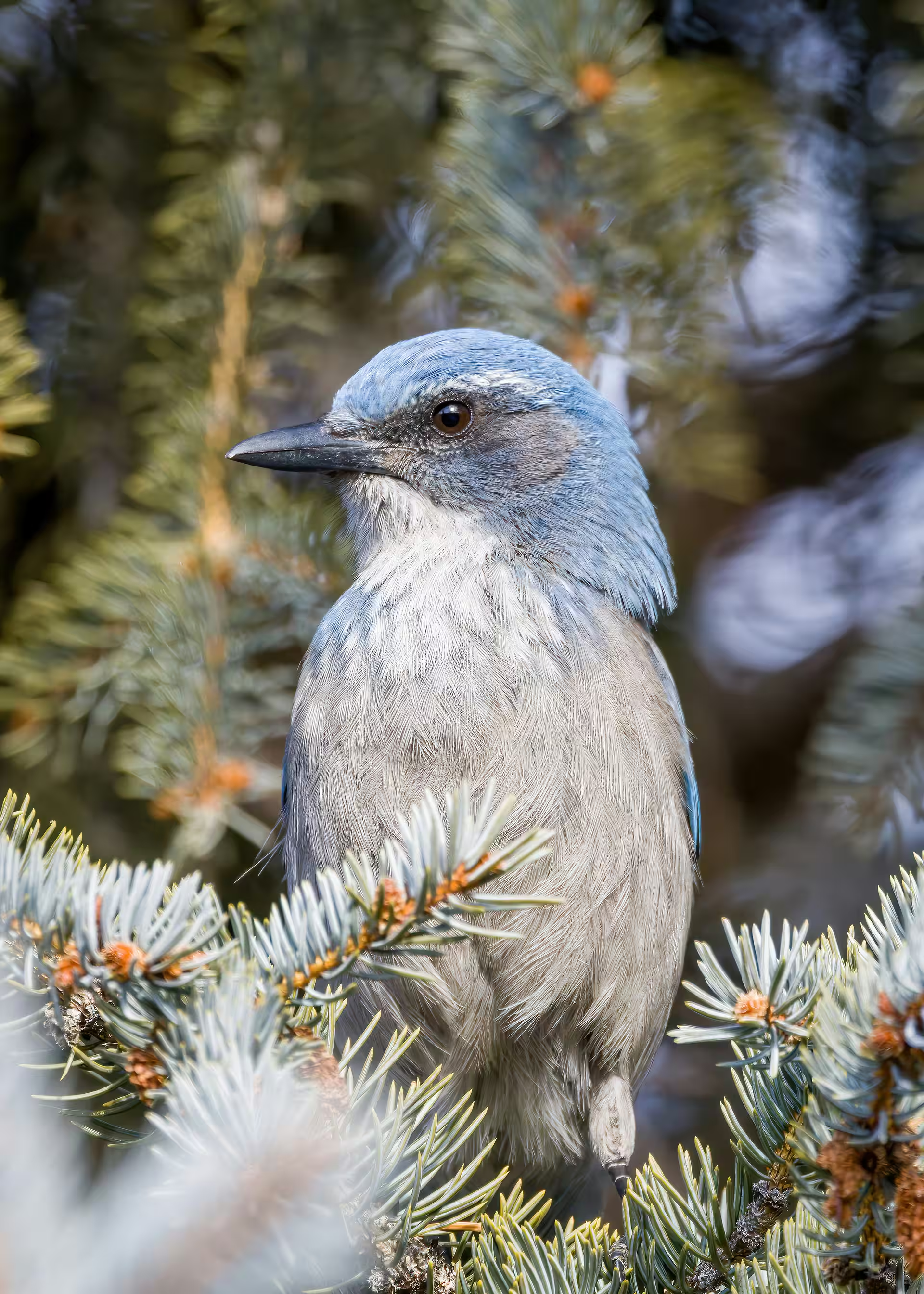
Shelled Peanuts (5 lb)

Hanging Tray Feeder (Mesh)

Dried Mealworms (5 lb)

Metal Mesh Feeder (Large Openings)
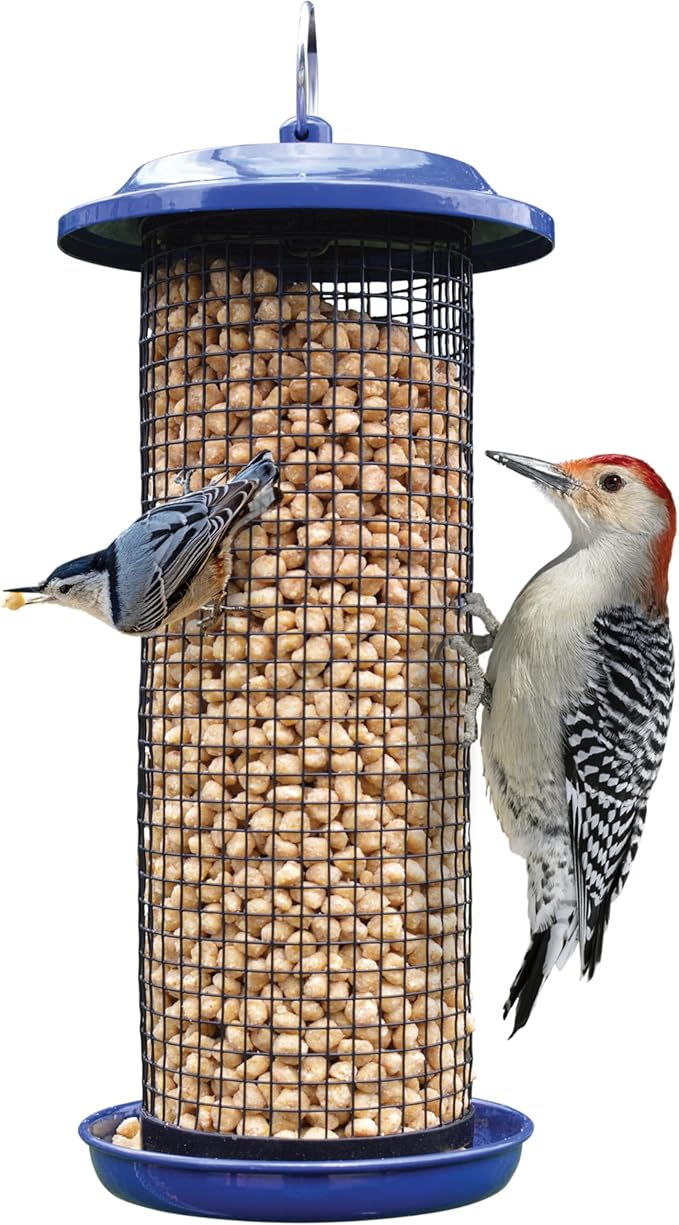
Suet Plugs (Variety Pack)

Large Wire Suet Feeder (Balls or Plugs)

Clinging Birds & Slower Feeding
Logs, cylinders, and suet slow birds down—in the best way. When birds have to work a little, feeding lasts longer, mess drops, and you get to observe natural clinging behavior up close.
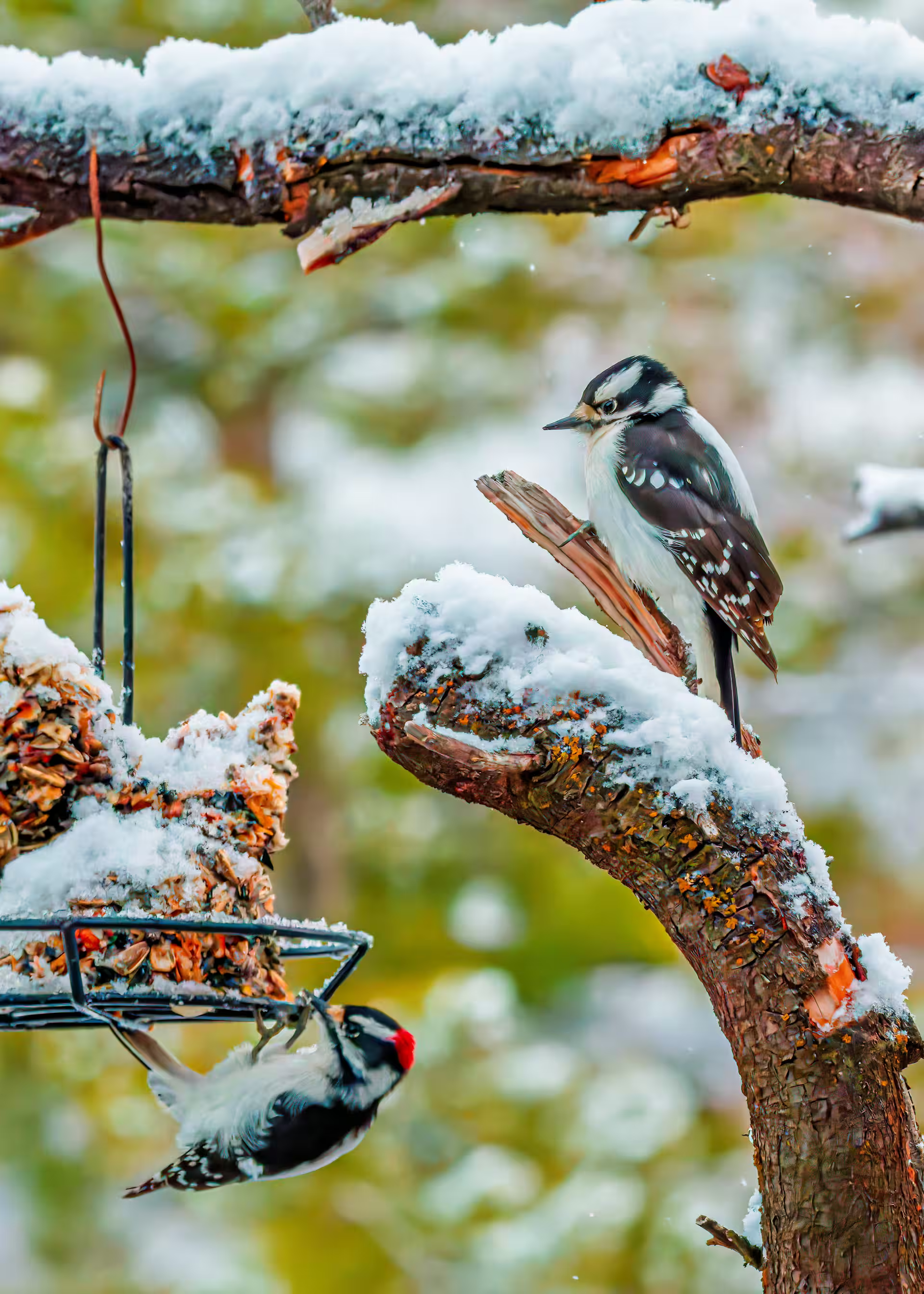
Woodpecker Suet Log (Hanging Brick)

Seed Cylinder Feeder Holder (Metal)

Bird Seed Cylinders (All-Season, With Hole)

Hummingbirds: Simple, Not Fancy
Hummingbirds are easy to attract but easy to overcomplicate. Simple, clean feeders work best, and homemade nectar beats anything premade. During peak migration, traffic increases fast—adjust fill levels accordingly.
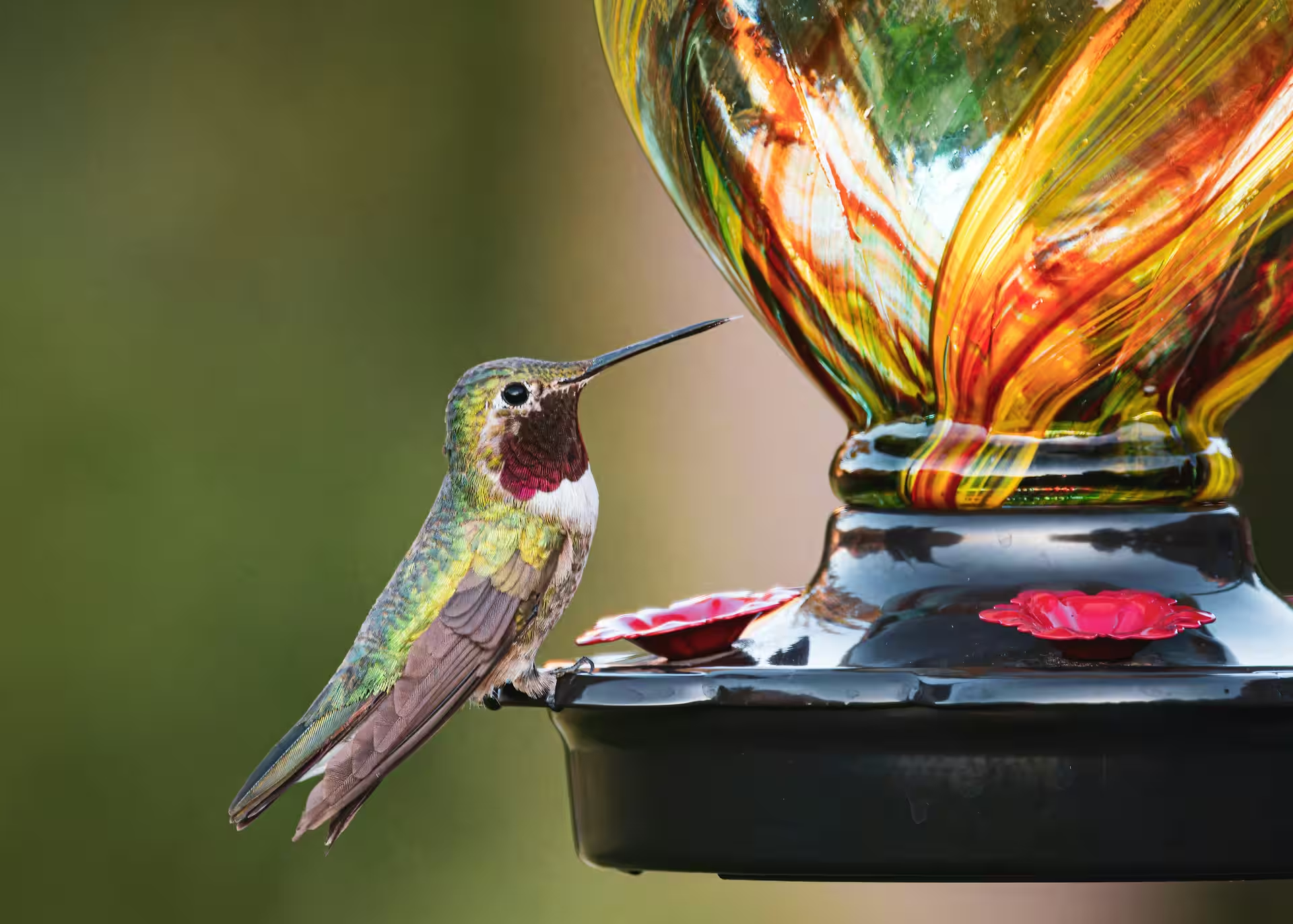
Glass Hummingbird Feeder (Decorative)

Glass Hummingbird Feeders (2-Pack, Easy Clean)

White Granulated Sugar (4 lb)

Backyard Reality Checks
Some upgrades aren’t flashy, but they matter. Birds were hitting our windows long before I fed them—feeders didn’t create the problem, but they did make me responsible for reducing the risk. These fixes improve both bird safety and long‑term enjoyment.
5 Gallon Bucket with Lid

Bird Feeder Pole with Integrated Squirrel Baffle

Anti-Collision Window Clings (Prismatic)

A backyard that stays alive
I’m a minimalist in theory—except when it comes to bird feeders. Long term, I’m more interested in native plants, berry trees, and water. Things that let birds feed themselves. But this setup is what helped me start noticing, and that changed everything.