
An Alaska Expedition
Not just a quest — an experience that resets what birding can feel like.
Quest Overview
Bald Eagles everywhere — not rare, but constant Whale breaches mid-birding session Glacier calving echoing through fjords
Table of Contents
Arrival Into a Different World
Alaska made one thing clear almost immediately: this was not a normal cruise.
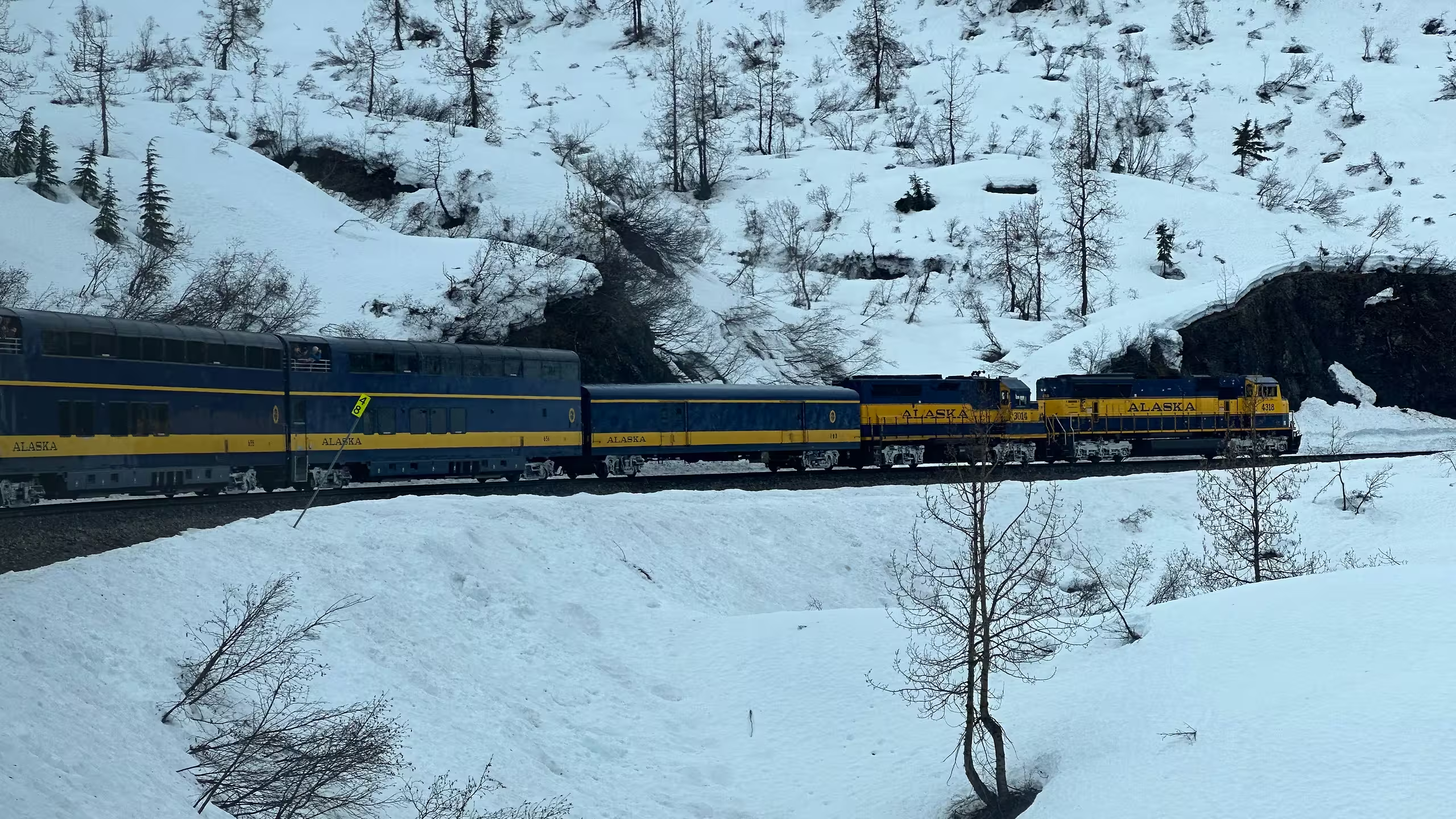
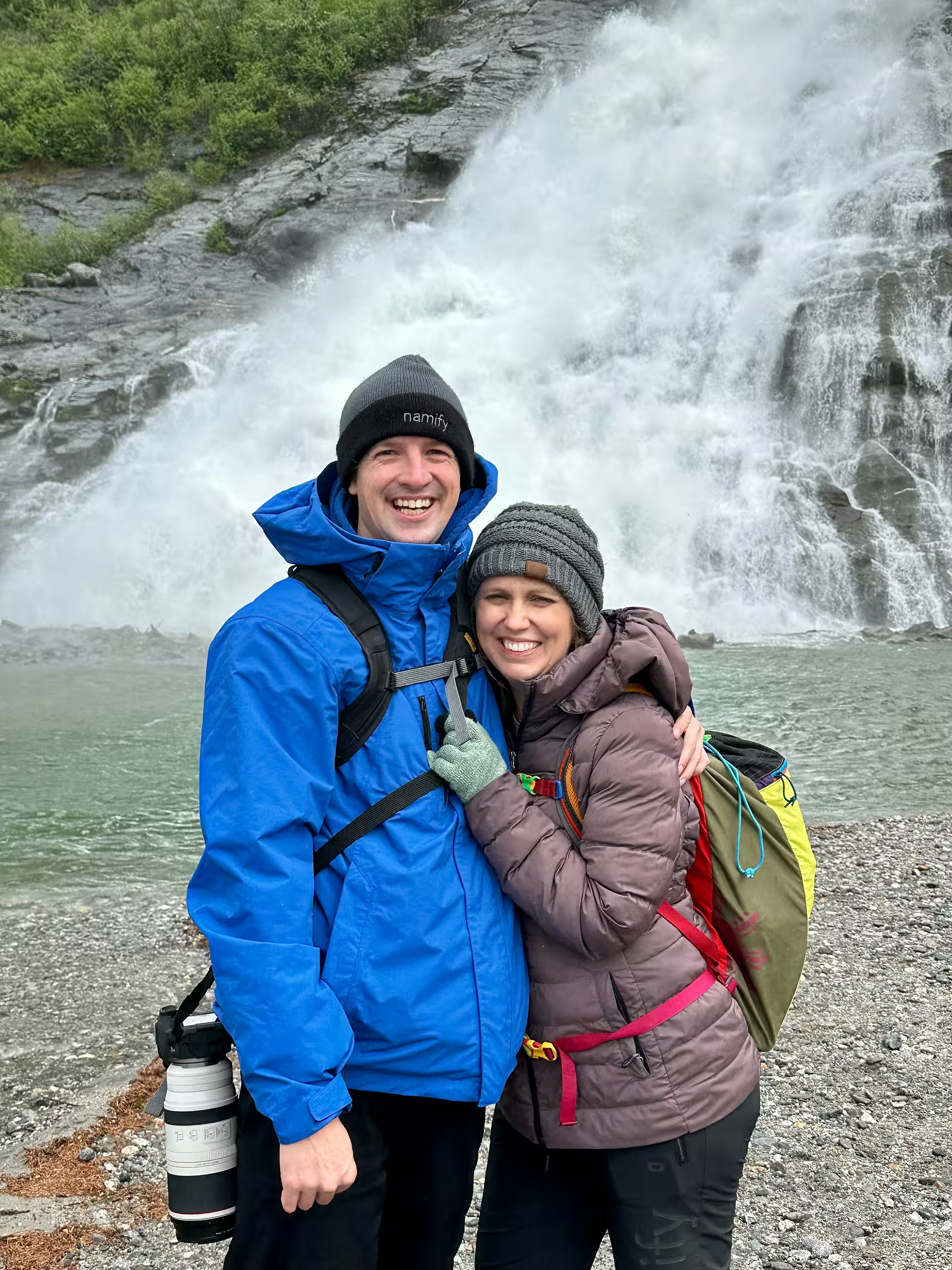
We felt it our first morning in Anchorage on the train ride to Seward. The air was colder than we expected, the rain felt constant, and it didn’t take long before we were stopping at a local “everything” store to buy beanies and gloves for the whole family. Before the whales, before the eagles, before the lifers — Alaska had already adjusted our expectations.
And the wild part was, we hadn’t even really started yet. Seward was already full of birds, whales, and movement — more happening than I knew what to do with right out of the gate.
Learning in Real Time
This trip was an amazing family adventure. It was also where my bird photography really started to change.
On the flight to Alaska, I found The Bird Photography Show and watched episode after episode — trying to absorb as much as I could before we even landed.
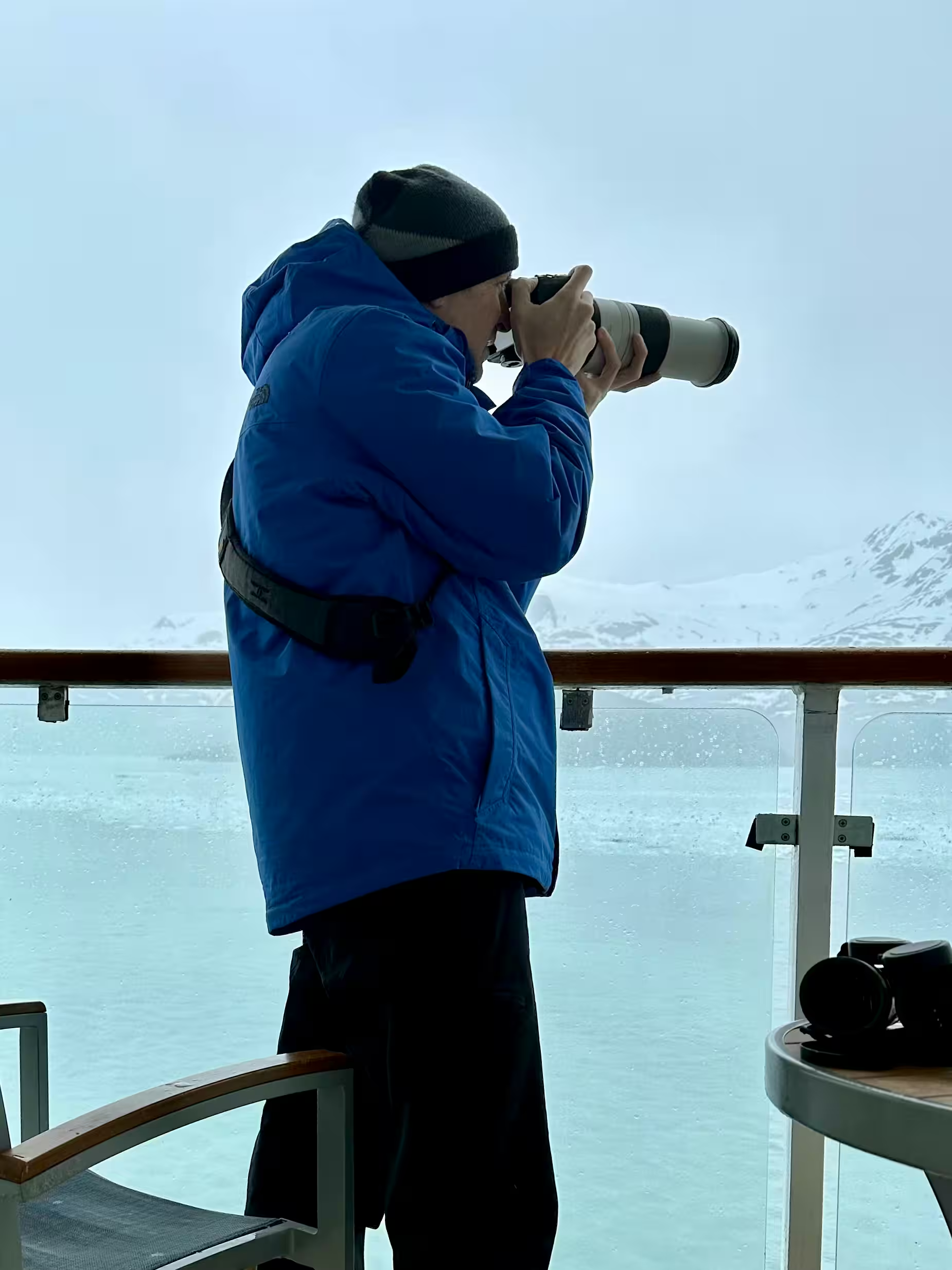
I had just upgraded to the 100–500mm and was still figuring out what all the settings actually did. At one point I bumped the viewfinder focus and thought something had gone completely wrong because everything suddenly looked blurry.
Mid-trip, I switched to shooting cRAW. I didn’t fully understand what that meant yet — just that it was something I should be doing.
Looking back now, that might be one of the most interesting parts of this whole experience. I wasn’t just seeing new birds — I was trying to level up in real time, in one of the wildest places I’d ever been.
Eagles Everywhere
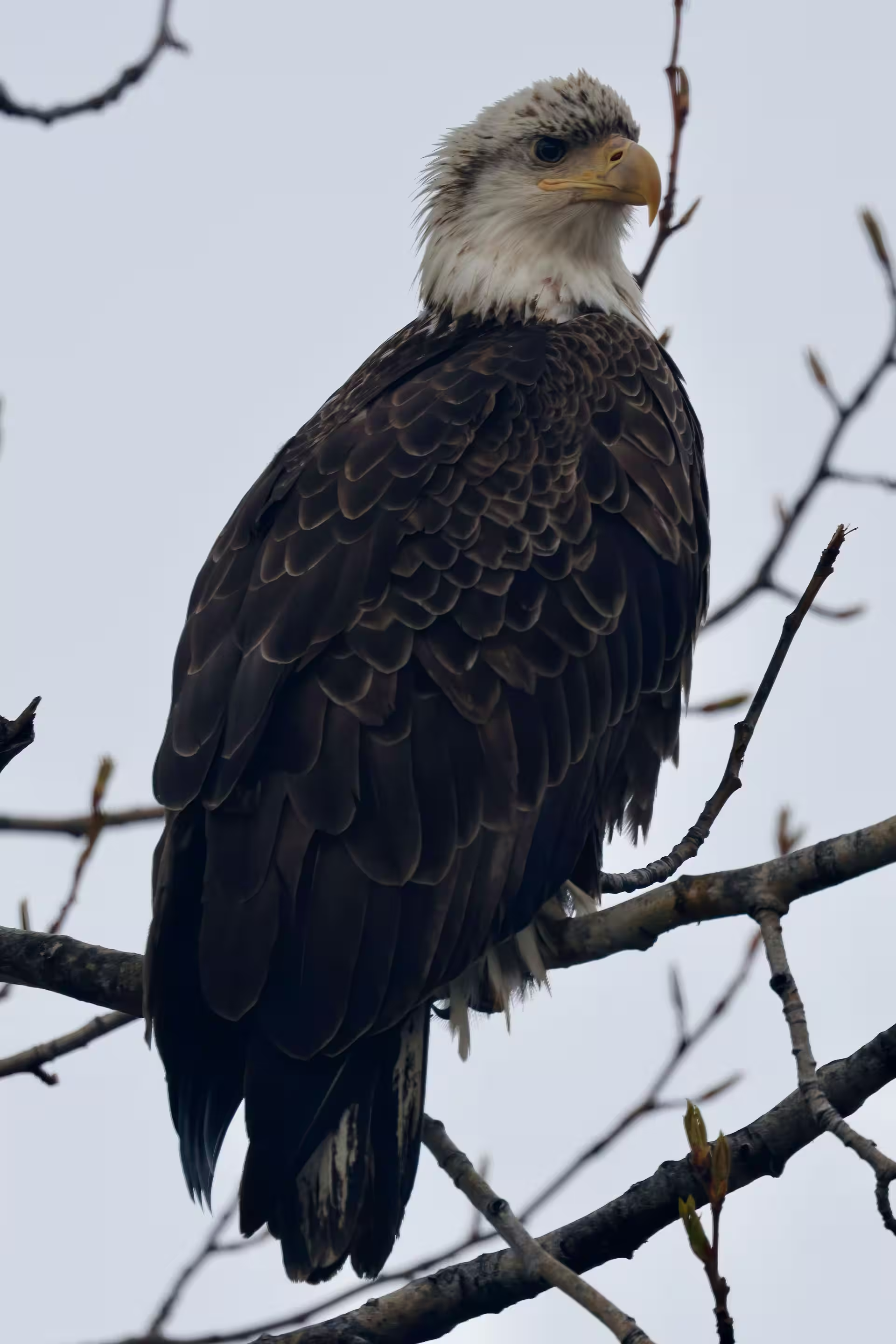
Back home, a Bald Eagle stops everything.
In Alaska, they’re part of the rhythm. Constant. Watching. Moving through the same space as you like it’s normal.
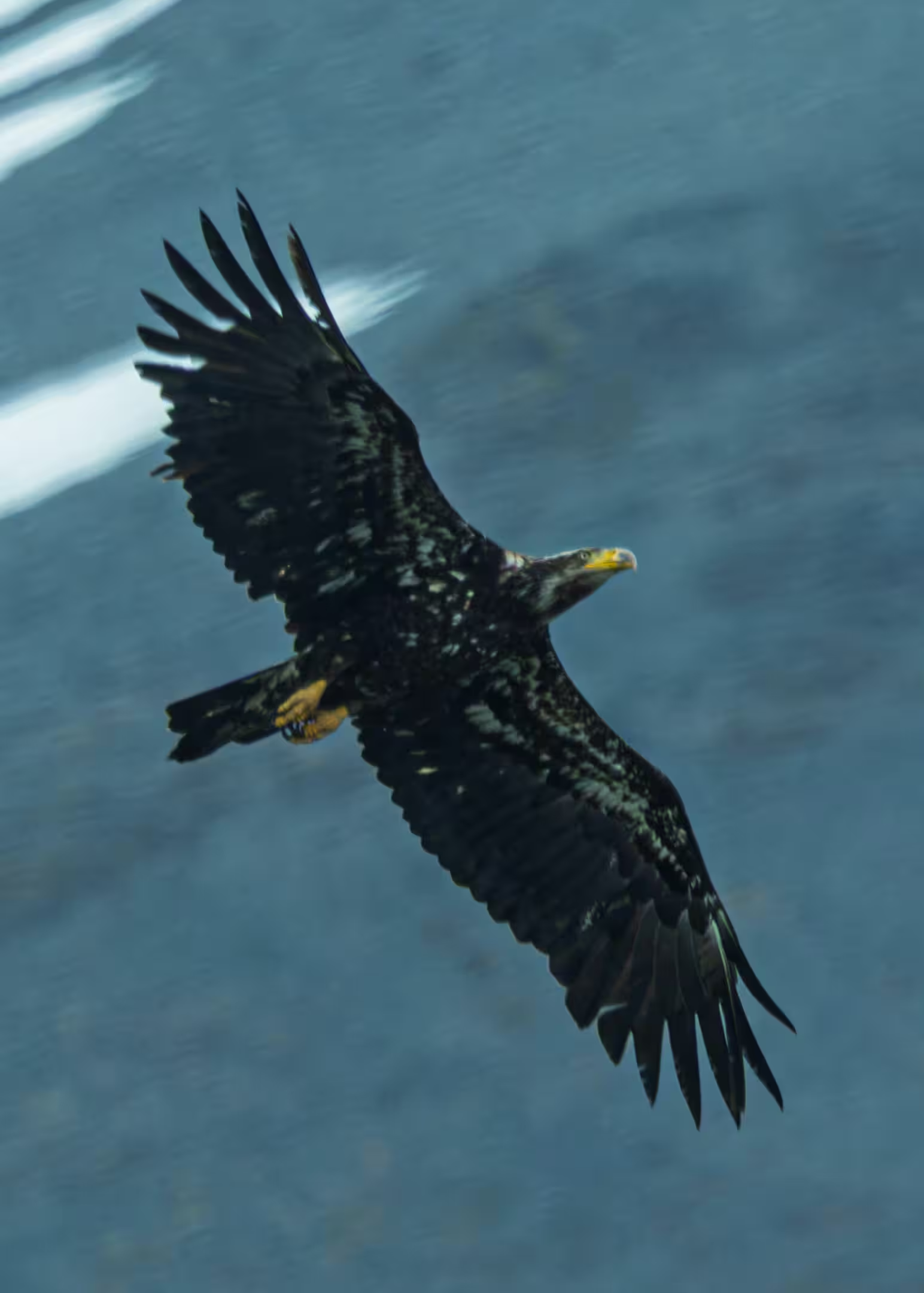
One of the funny parts early on was realizing not every giant dark bird was something new. A lot of them were juvenile Bald Eagles — huge, rough-looking, and everywhere once you started noticing them.
And then there were the fish. You’d see eagles perched with them, flying with them, or working the shoreline like this was just another ordinary part of the day. The size of the birds, the amount of food around them, and the sheer number of encounters made Alaska feel wild in a way that was hard to process at the time.
When Birding Isn’t the Main Event
There are moments in Alaska where birding takes a back seat.
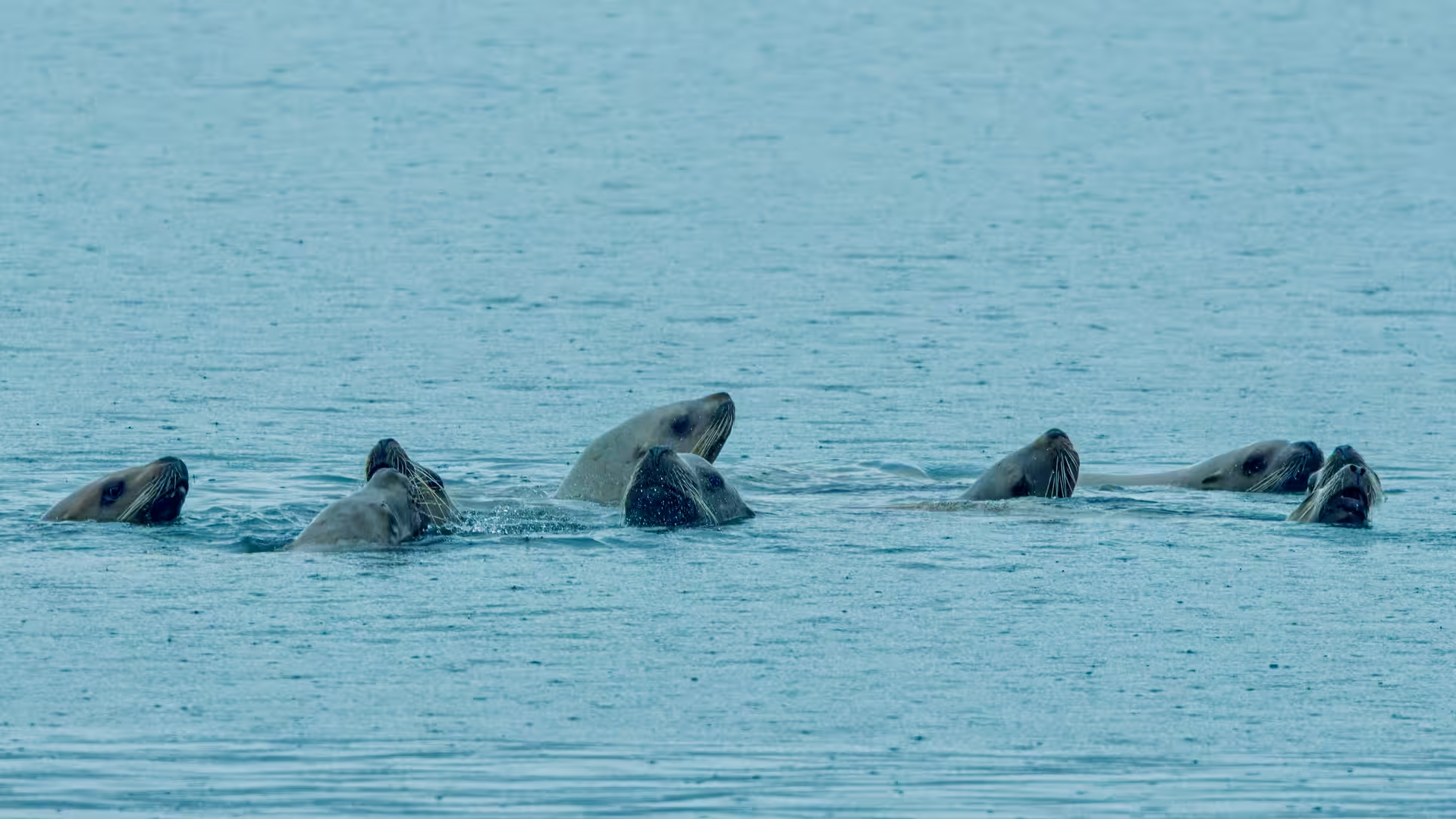
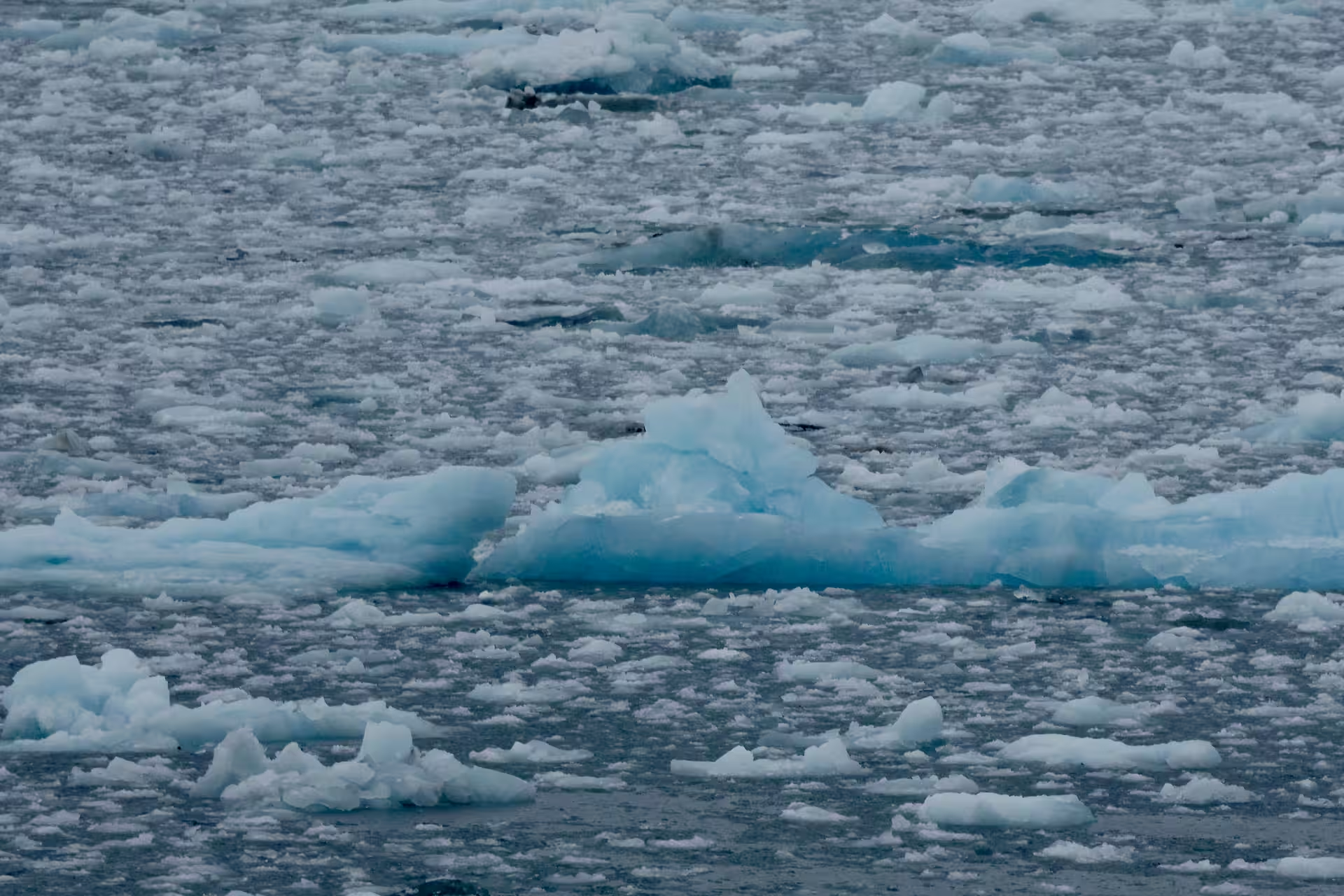
A whale surfaces. Ice breaks from a glacier. The sound echoes longer than expected. And for a second, you forget what you were looking for.
That’s when it clicks — this isn’t just about birds. It’s about noticing a world that operates at a completely different scale.

The Almost-Puffin
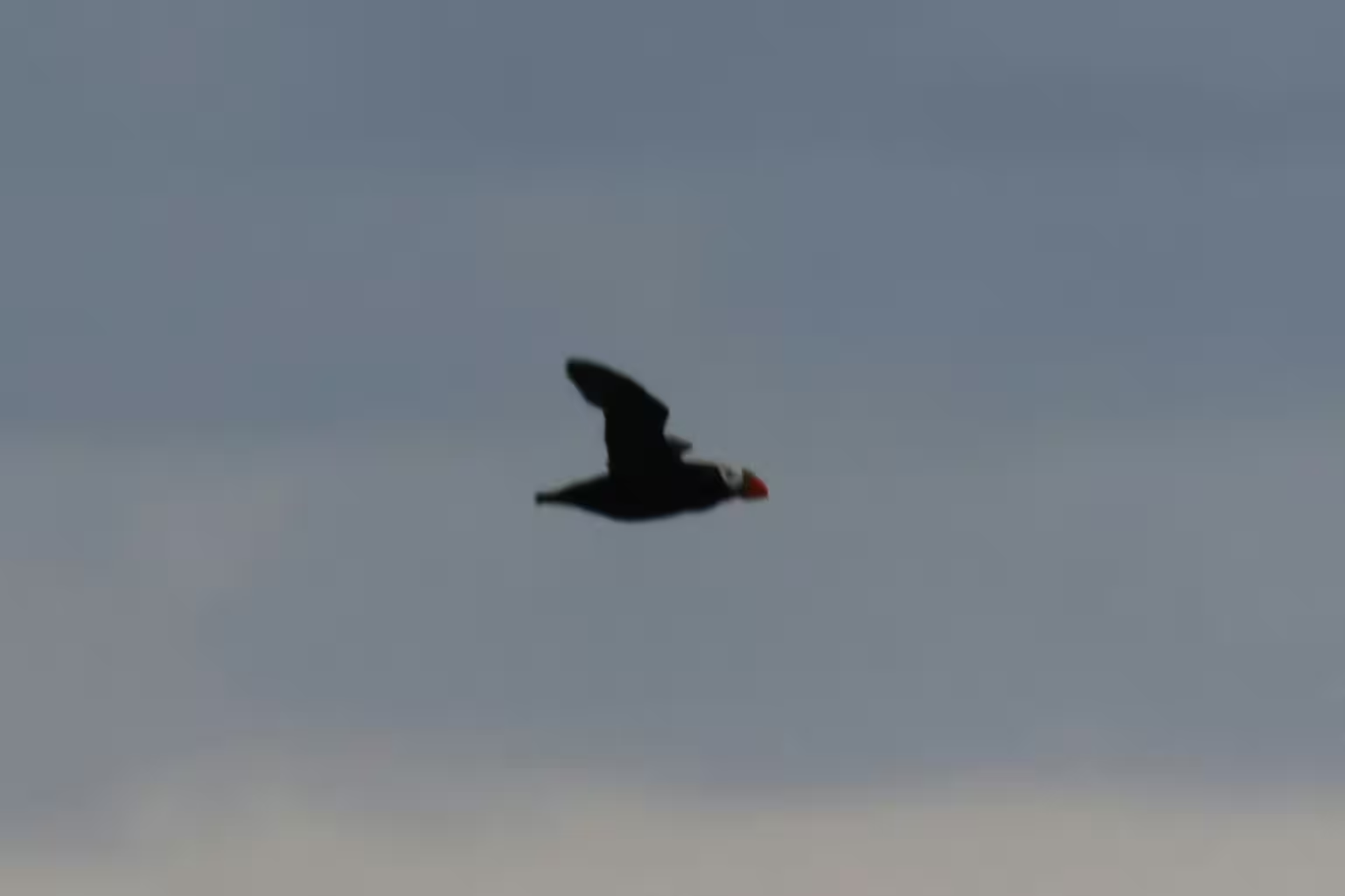
I did get a puffin.
But not the kind you picture.
It was distant. Just a dark shape in the sky with a hint of color on the bill. The kind of sighting where you’re not celebrating the photo — you’re studying it afterward trying to confirm what you saw.
And honestly… that made it better. It felt earned. A small moment inside a very big place.
Before eBird (and Thank Goodness for Photos)
This trip was before I was using eBird.
I was using Merlin — listening, watching, and trying to piece things together in real time. I logged my lifers there, but I wasn’t building full checklists yet.
So I don’t have a perfect list from Alaska.
But I do have the important ones — the lifers — and a camera roll full of clues.
The Lifer I Didn’t Know I Had
Going back through these photos, I found something I missed completely the first time.
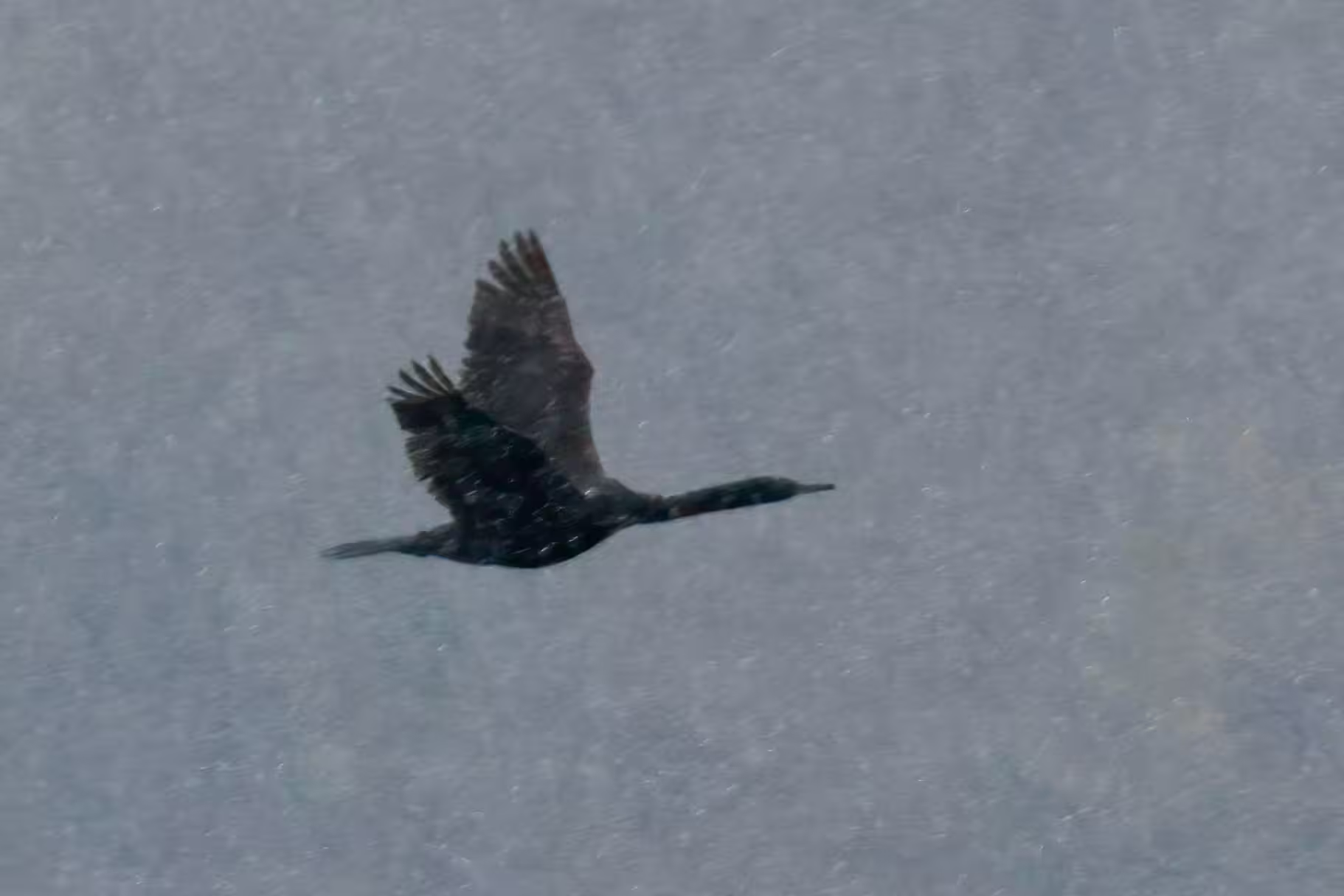
At the time, I had labeled it as just a cormorant. Quick look. Bad conditions. Moving on.
But looking at it now — nearly three years later — it clicked.
Pelagic Cormorant.
A lifer… that I didn’t even know I had.
It was flying through the rain. Dark, fast, easy to overlook. The kind of moment you don’t fully process when you’re still new.
And that’s one of the best parts of going back. The trip isn’t finished. You’re just seeing it with better eyes.
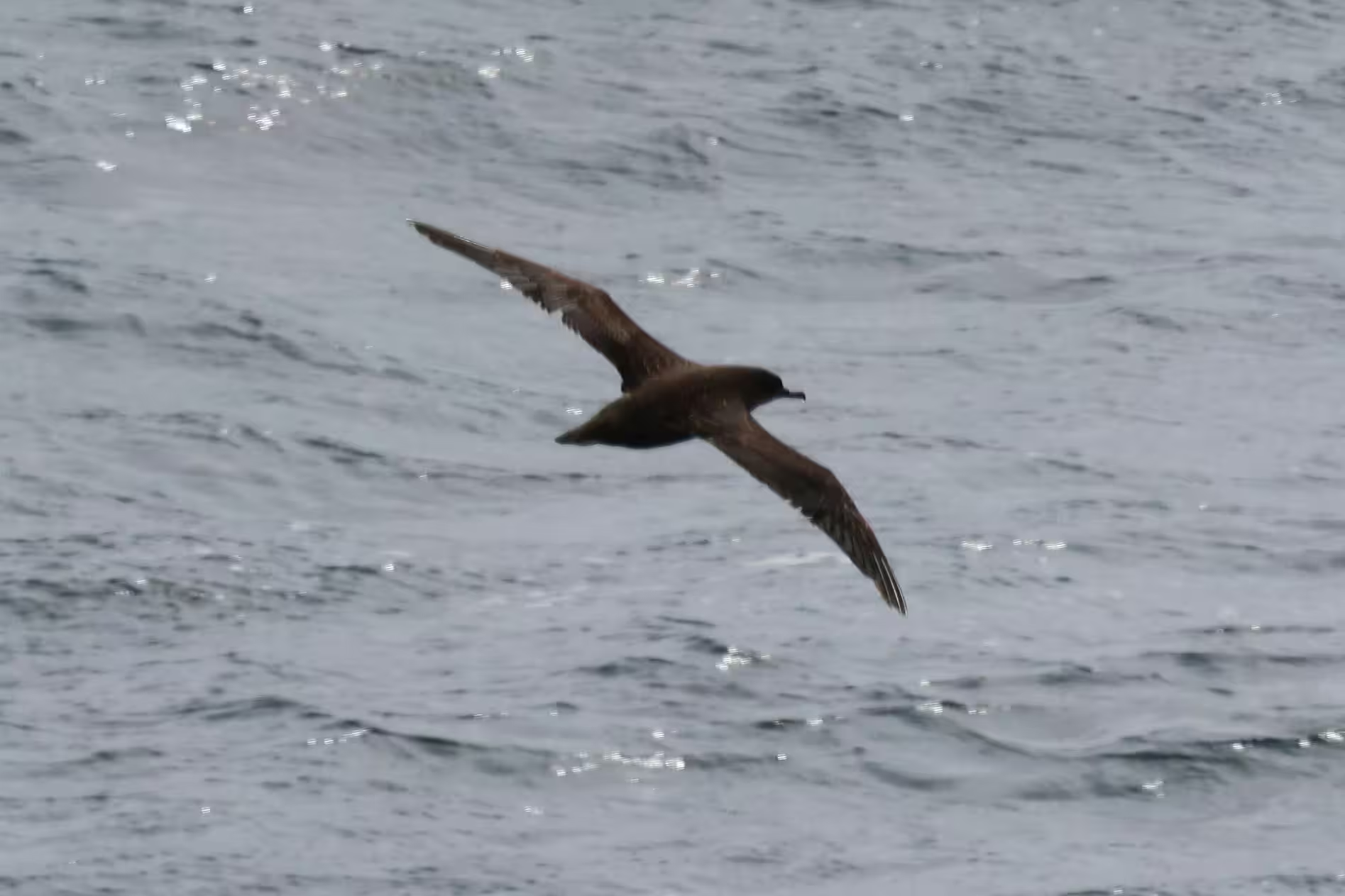
Seabirds From a Distance
One thing I didn’t fully appreciate at the time was the seabirds.
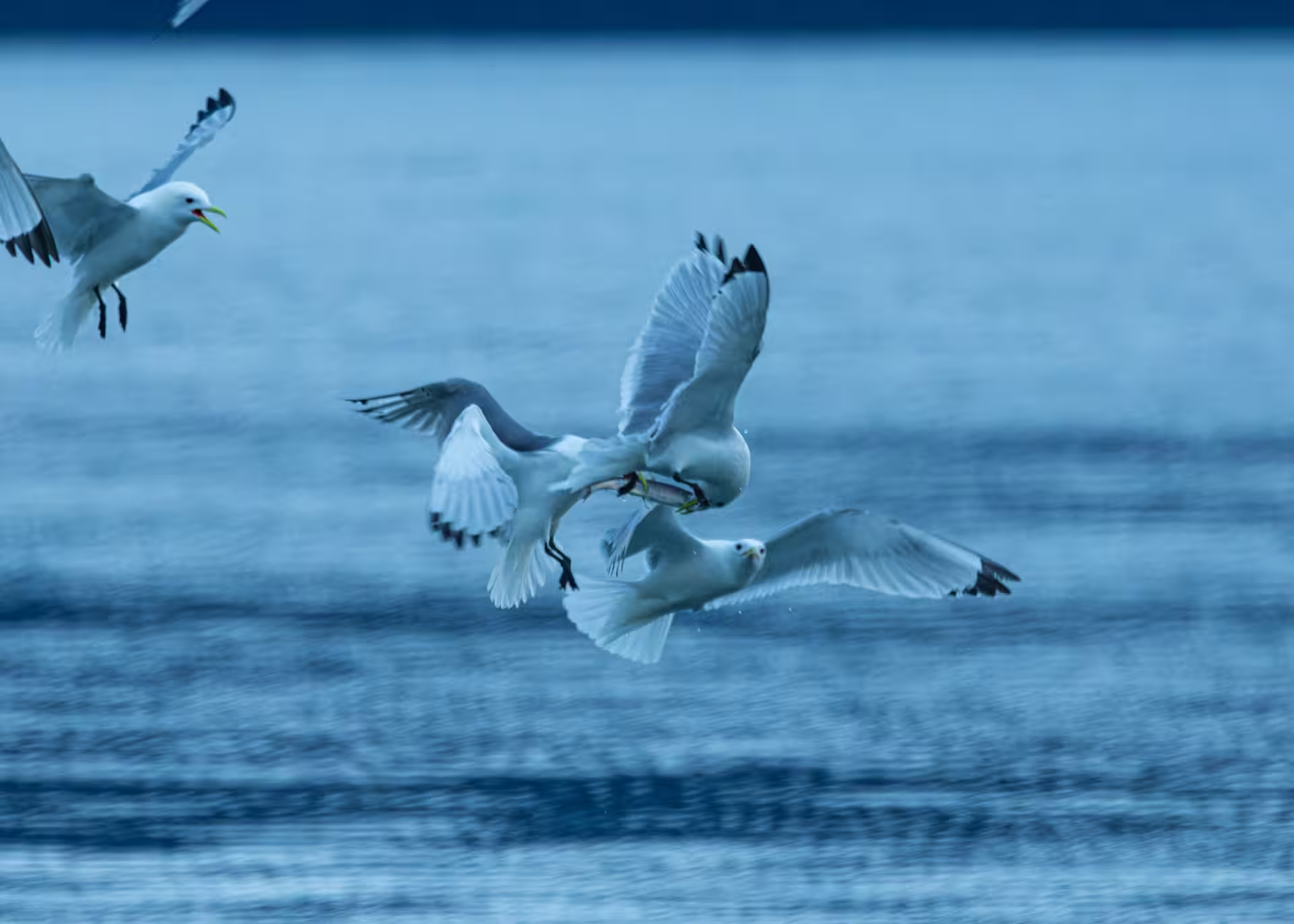
They’re out there constantly — shearwaters, murrelets, kittiwakes — but often just out of reach.
Small shapes over a massive ocean. The kind of birding that teaches patience.
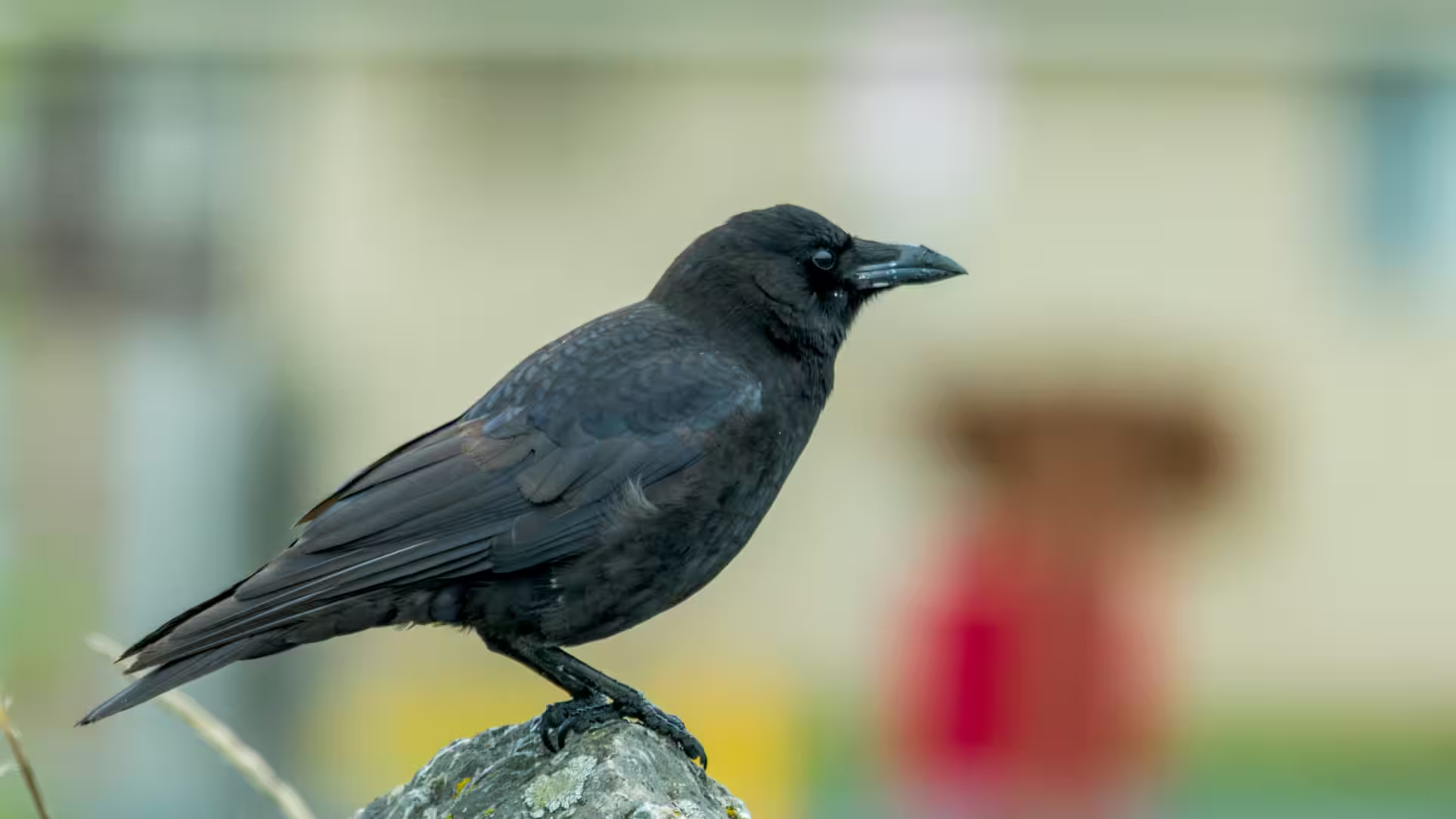
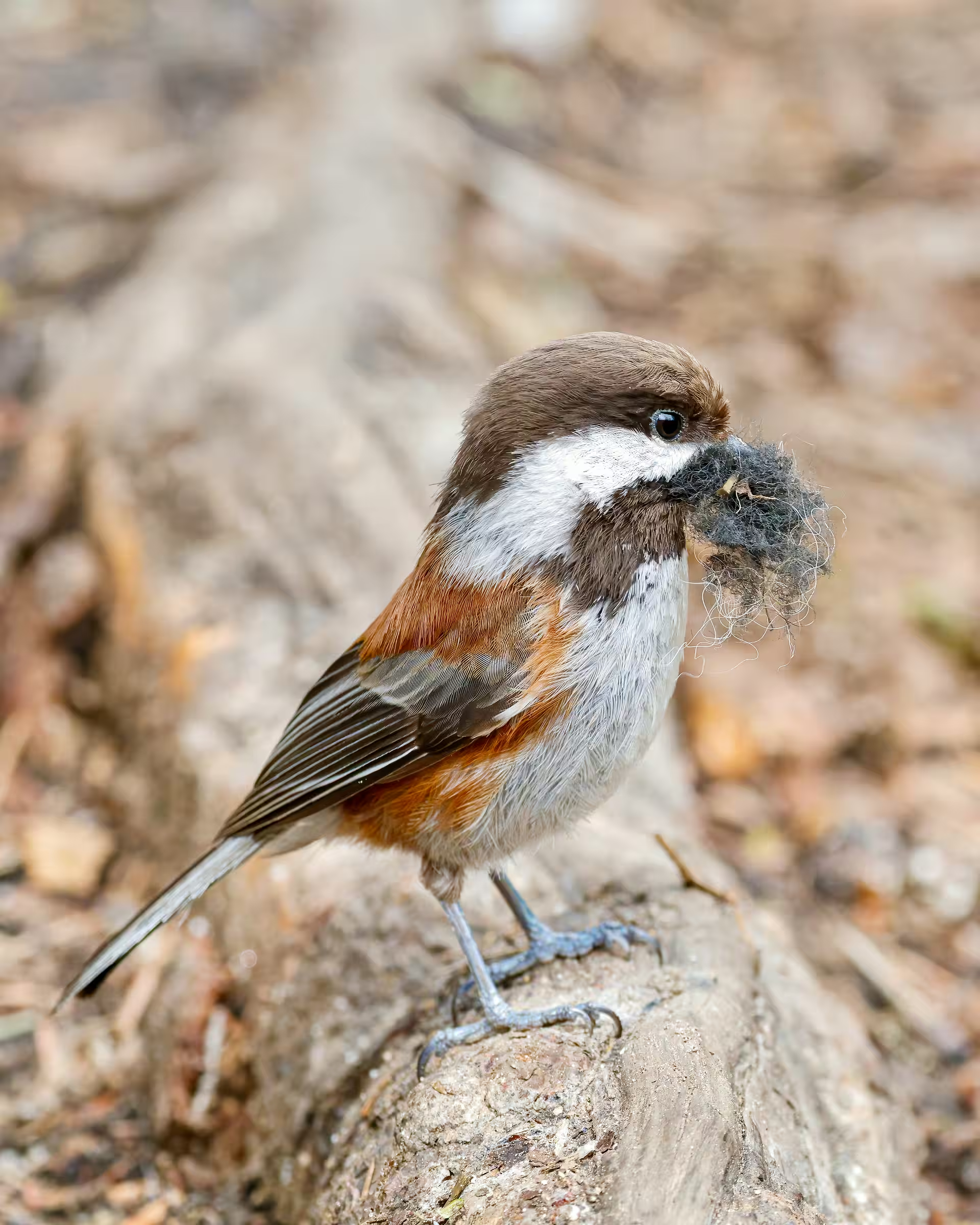
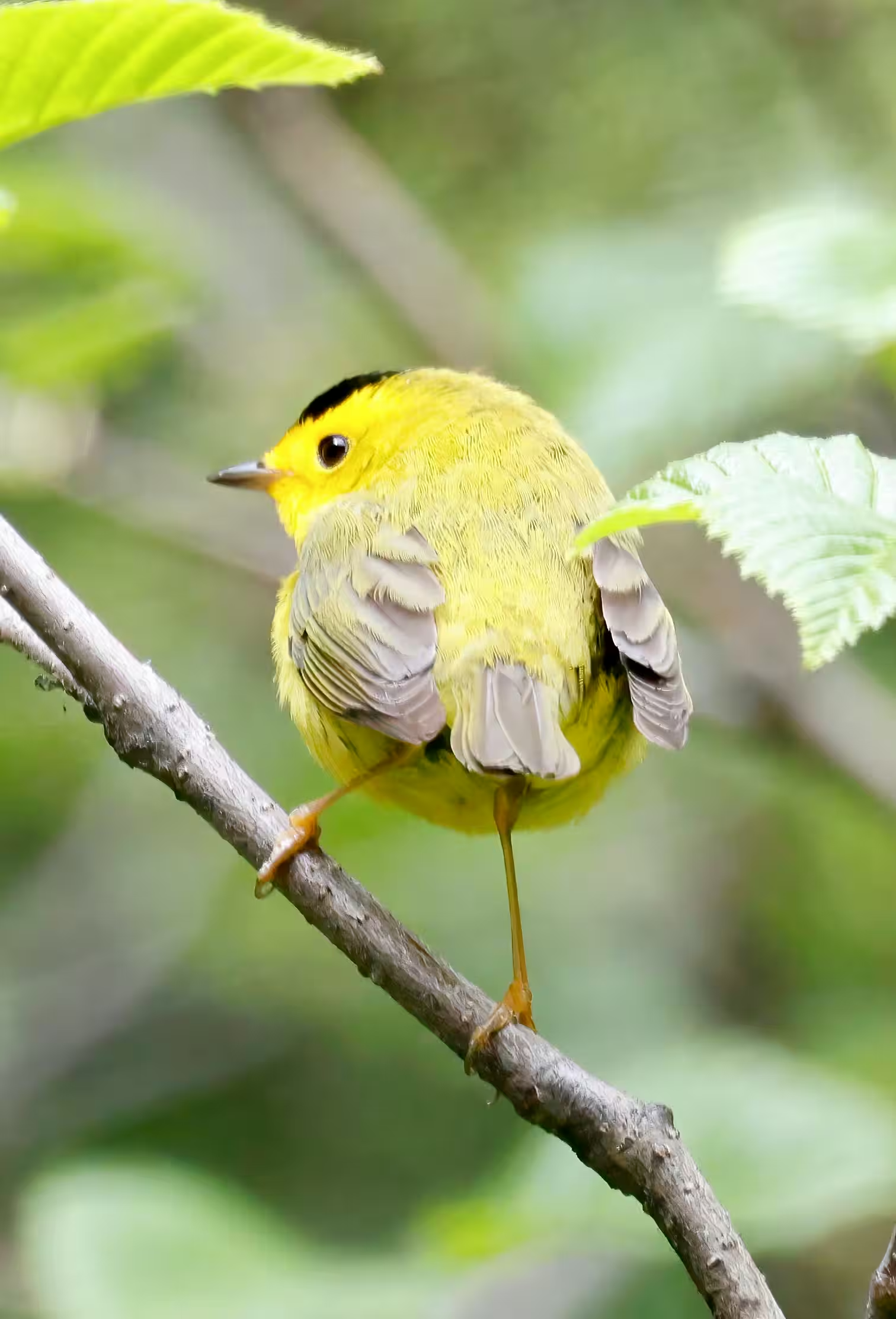
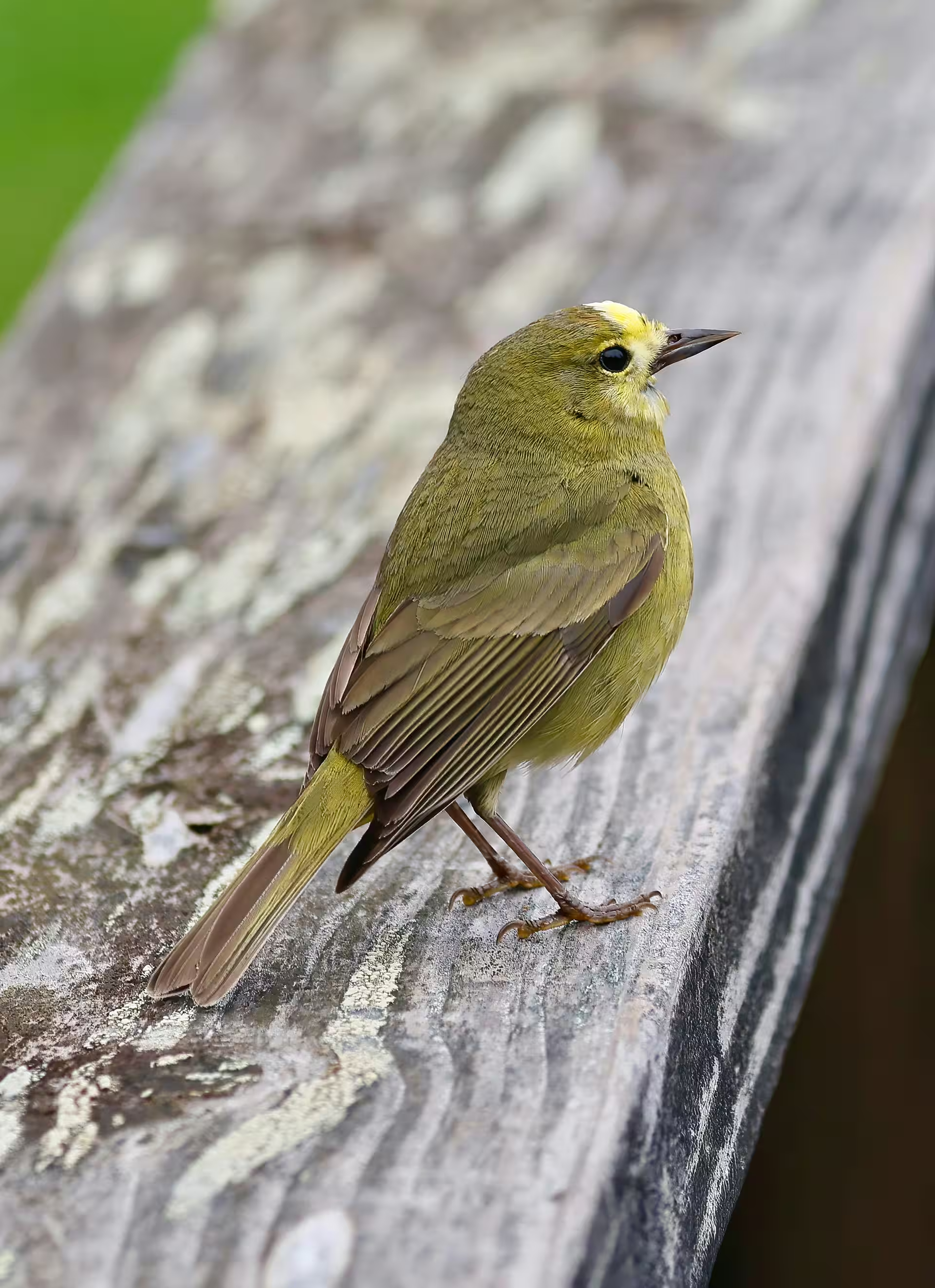
A Few That Stuck With Me
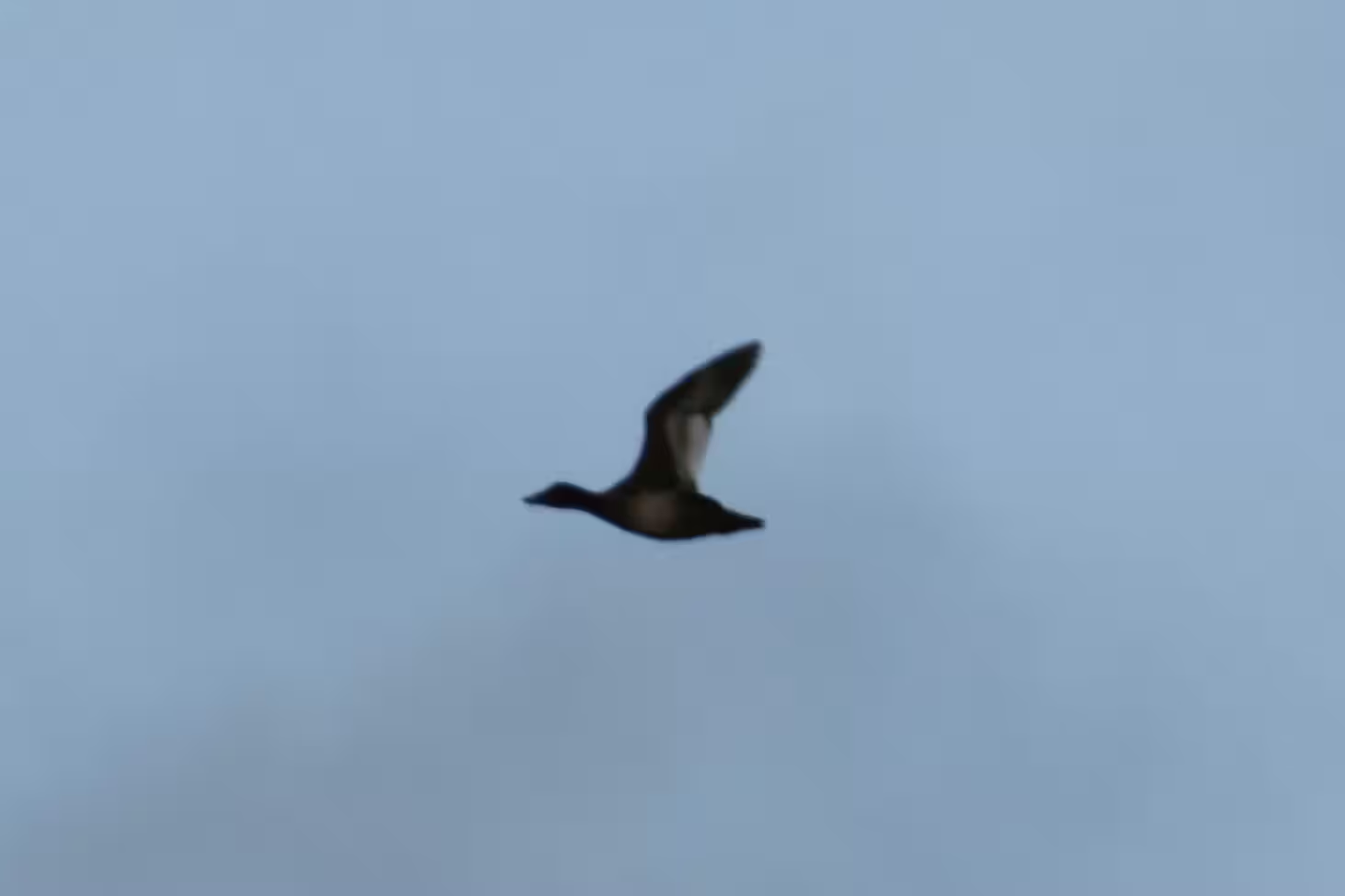
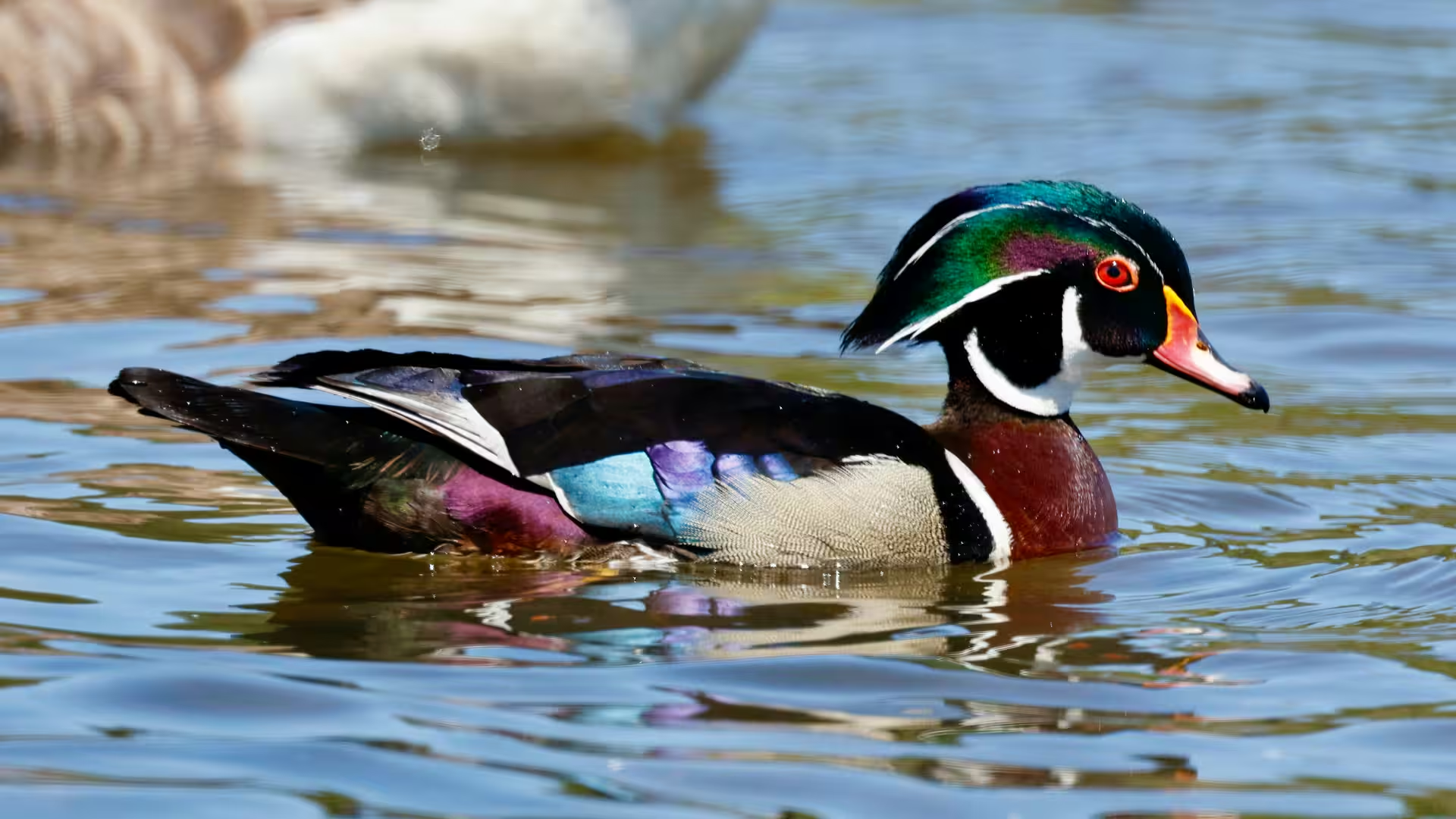
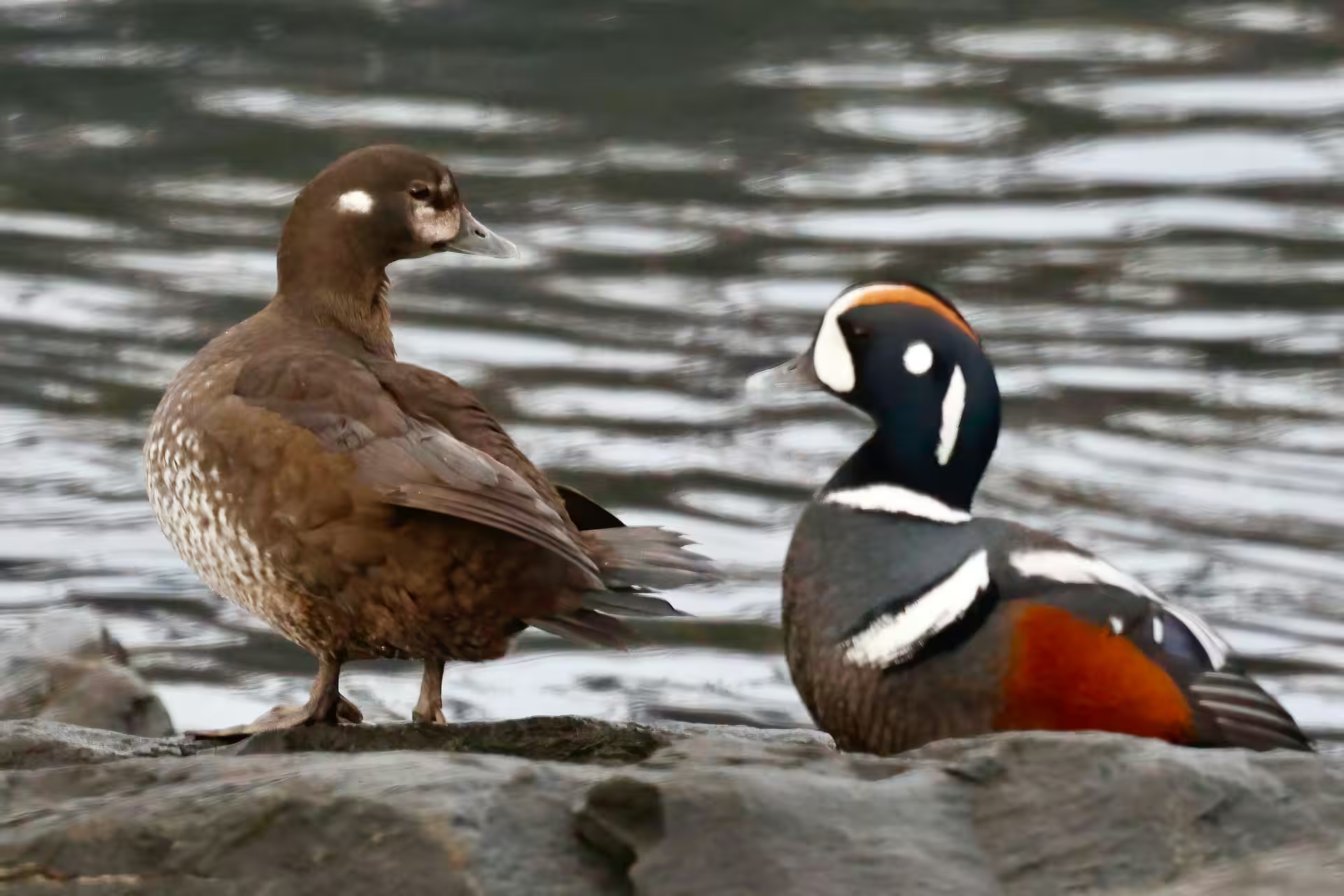
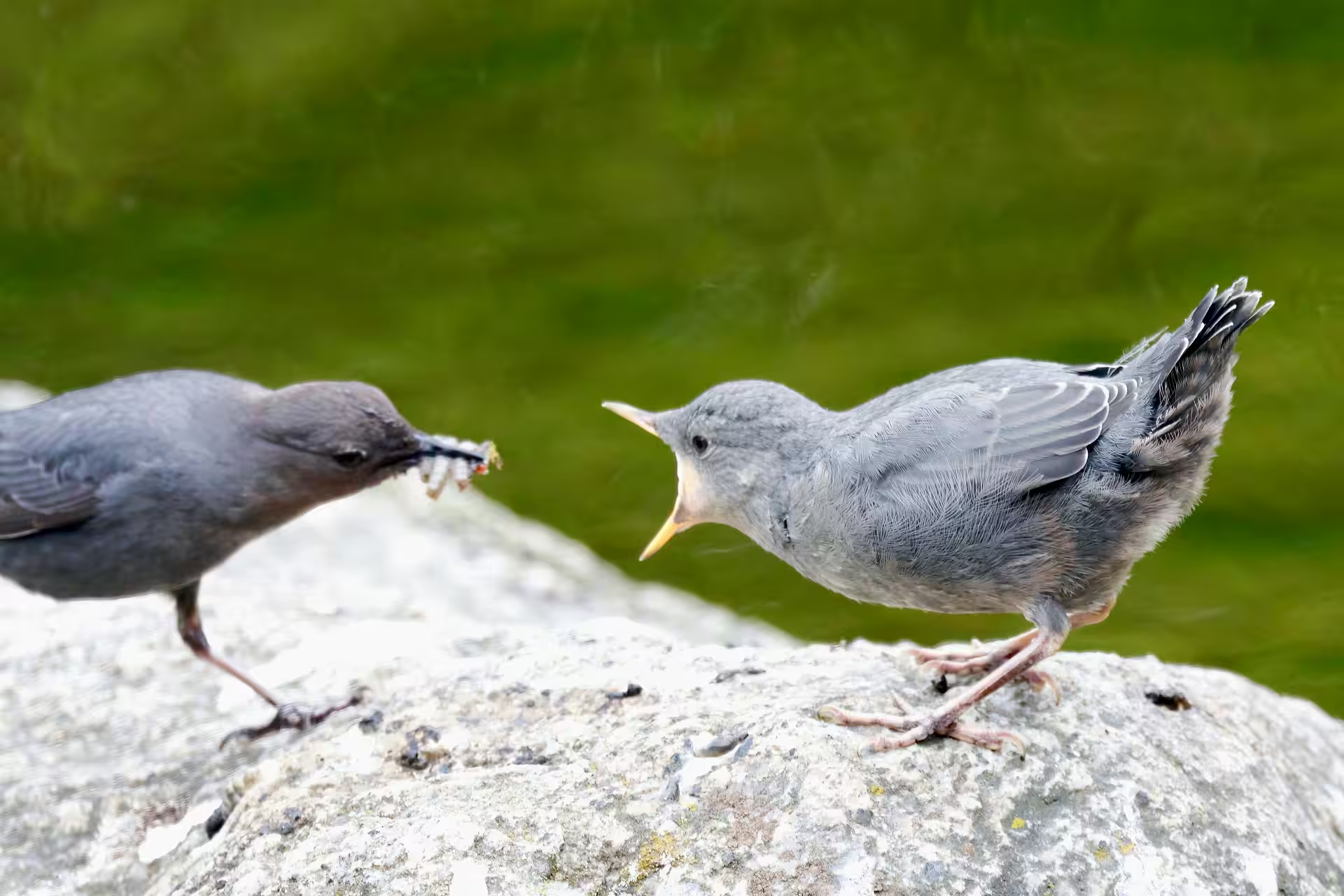
Not every bird stands out because it’s rare.
Some just stick. A moment, a look, a clean view when everything finally comes together.
These are a few I still remember clearly.
What Alaska Changes
After Alaska, birding feels different.
Not smaller — just more connected. You start to see every local bird as part of something bigger.
Looking back now, one of the most interesting parts of writing this is seeing things I didn’t recognize at the time.
One of my lifers on this trip was a Ruby-crowned Kinglet. At the time, it felt like something completely new — a bird I had never seen before.
Now… I catch them in my backyard.
Looking back through these photos also reminds me how much of photography I was still learning. I was shooting without my lens hood, with a glass lens protector on the front, and still struggling with composition and cropping.
I wasn’t using DxO PureRAW or Lightroom the way I do now, and I didn’t yet know how much good editing could help bring a moment back to life.
That’s part of what makes going back so fun. Not because I was bad then, but because I can see how far I’ve come — both in how I photograph birds and in how I notice them in the first place.
That might be the real takeaway. Not just the lifers or the photos — but how your perspective deepens over time. The same birds, the same places… you just start to see them differently.
Planning your own Alaska trip? Check out my Alaska prep guide for the gear, layers, and expectations I wish I had from day one.