
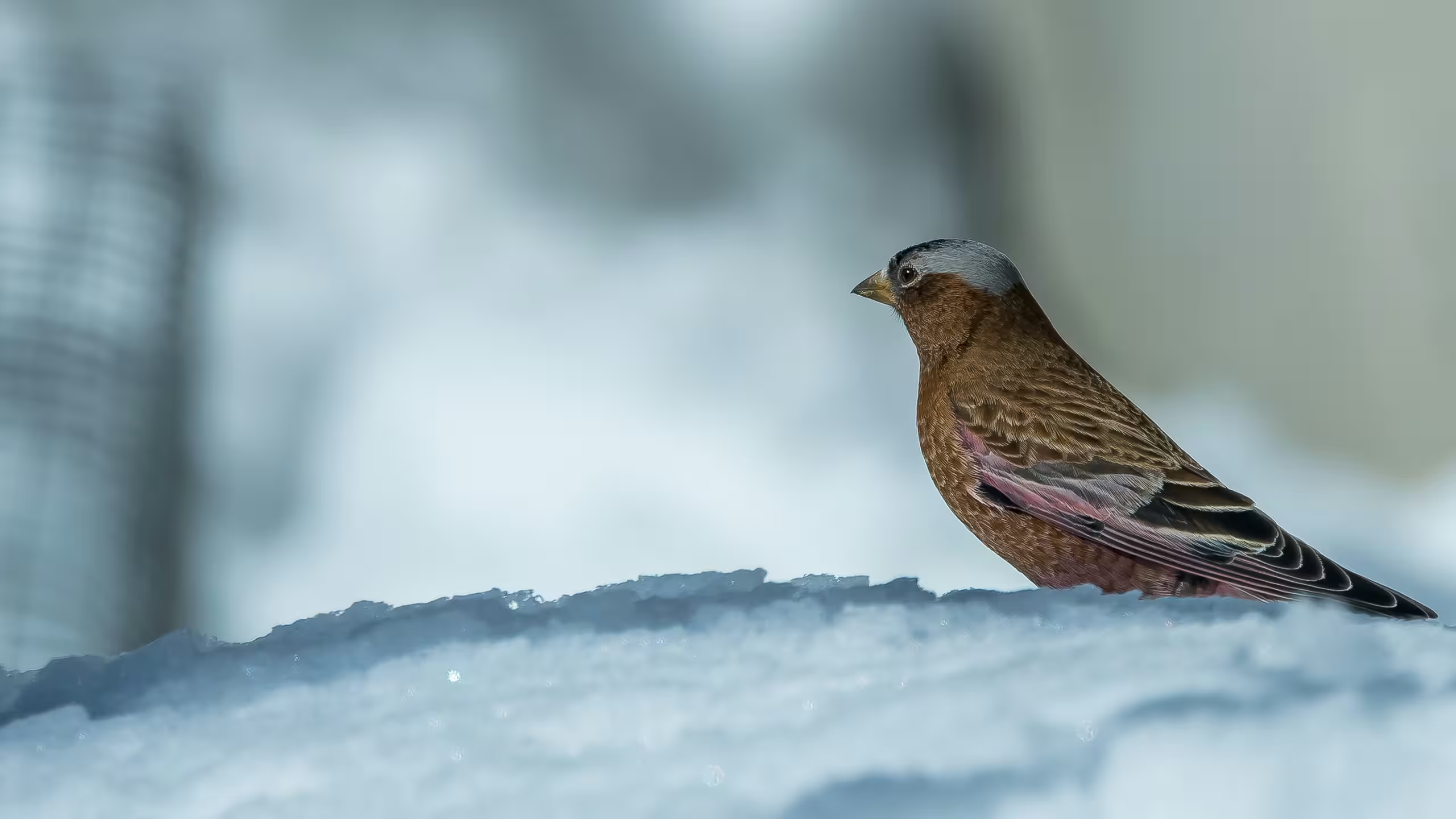
The Alta Rosy Finch Quest
A dedicated finch mission that turned into a banding day, a small-world moment, and two releases into alpine air
Quest Overview
First-time Alta navigation & finding the feeders Gray-crowned and Black Rosy Finches active on the ground near feeders Full alpine cast showing up: Steller’s Jay, Clark’s Nutcracker, Mountain Chickadees
Table of Contents
Perfect Timing
This wasn’t a casual stop.
I came up to Alta with a specific target: Gray-crowned and Black Rosy Finches. I knew I needed to get them this season before they pushed higher, and I needed the experience while it was still accessible—because in the FeatherQuest National Edition, the Rosy Finch is Utah's bonus bird.
And as if the calendar wanted to cooperate, Finch Week in the FeatherQuest Utah book was right around the corner.
The Intimidating Part
I’d heard for years that rosy finches show up at ‘feeders’ at Alta Ski Resort. But for a first-time visitor, that’s not actually enough information.
Where do you park? What side of the road? Which buildings? Are you about to break some ski-resort rule without realizing it?
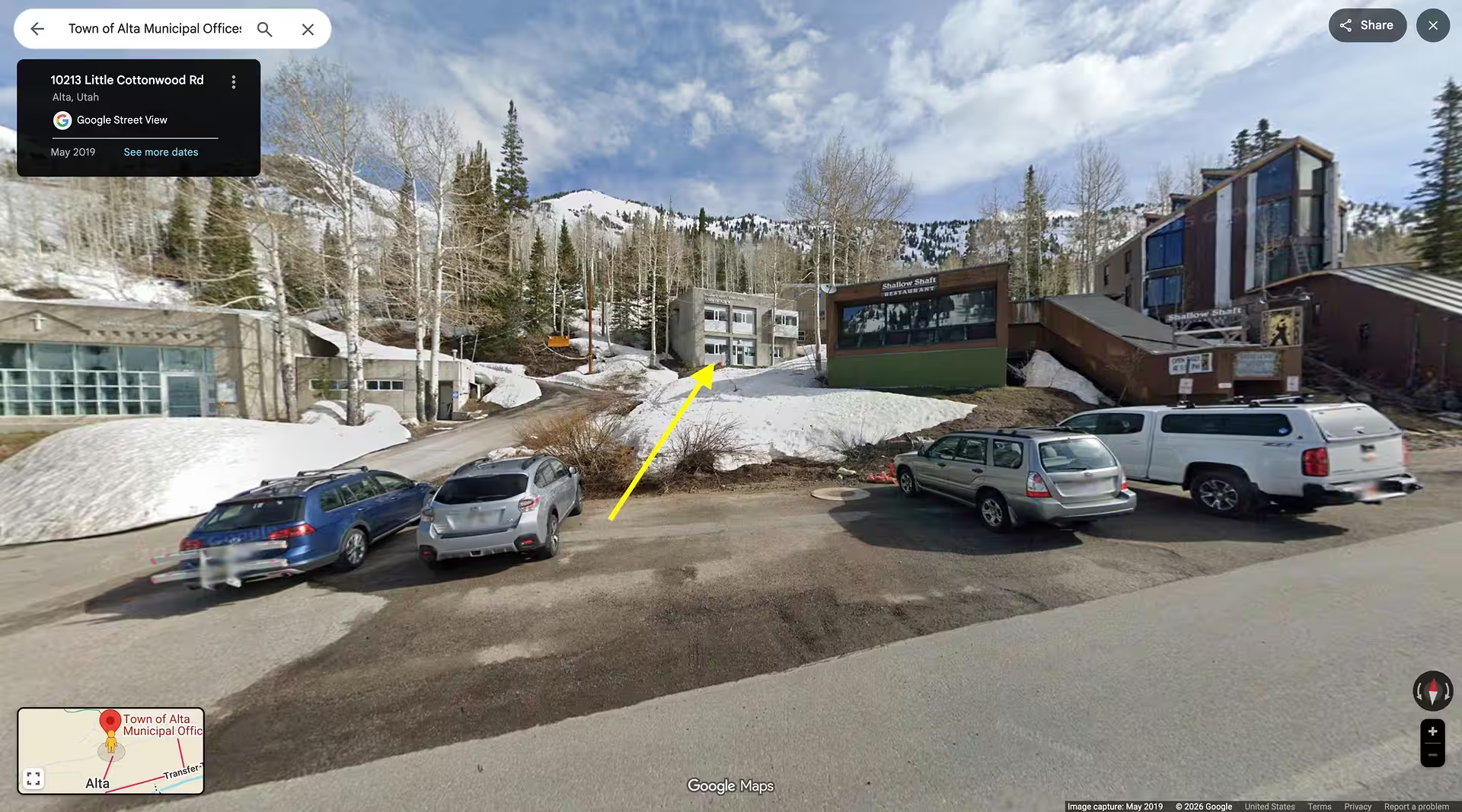
I did what a lot of birders probably do: I parked in the main lot, walked into the restaurant area, pulled up eBird, and realized pretty quickly I was on the wrong side of the road.
I walked back to my car, talked to a parking attendant, and he immediately understood what I was trying to do. He assured me I could drive a bit and find parking closer to the right spot.
He was right. I found a spot, stepped out into fresh white snow, and watched the sun begin to clear the high mountains.
Then I Saw Them
Immediately, I could see the feeders up the hill.
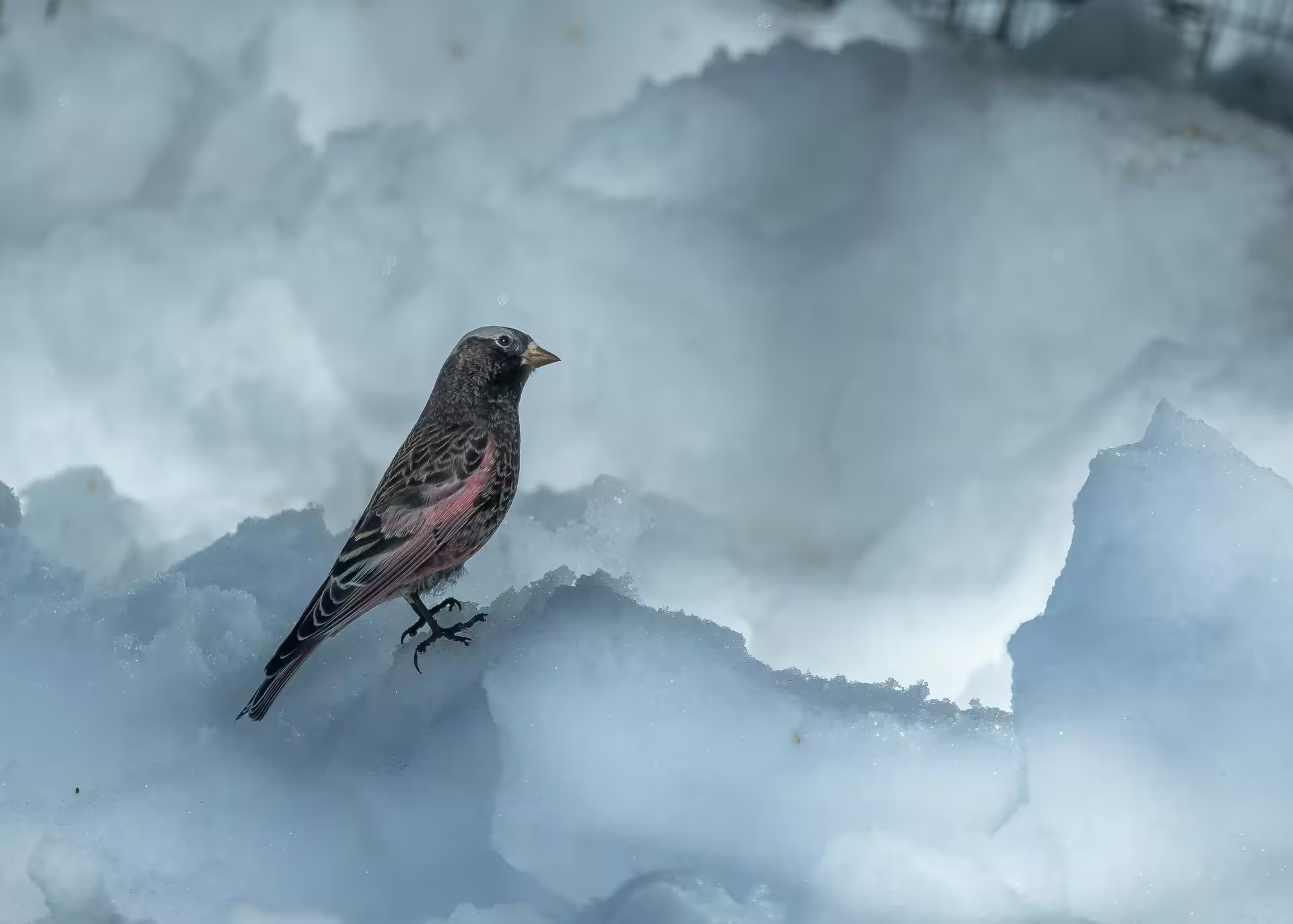
And below them—rosy finches everywhere. On the ground, hopping across the snow like they owned the place.
There was another layer of excitement running through the whole morning: both rosy finches were lifers for me. That kind of lifer adrenaline is hard to hide. Every time one dropped in near the feeders I could feel that mix of excitement and disbelief—these birds that spend most of their lives in high, harsh places were suddenly right in front of me.
The photographer next to me picked up on it right away. She loved seeing that energy and being part of the moment. There’s something contagious about watching someone experience a lifer—especially when it happens in a place like Alta with snow everywhere and rosy finches bouncing across the ground.
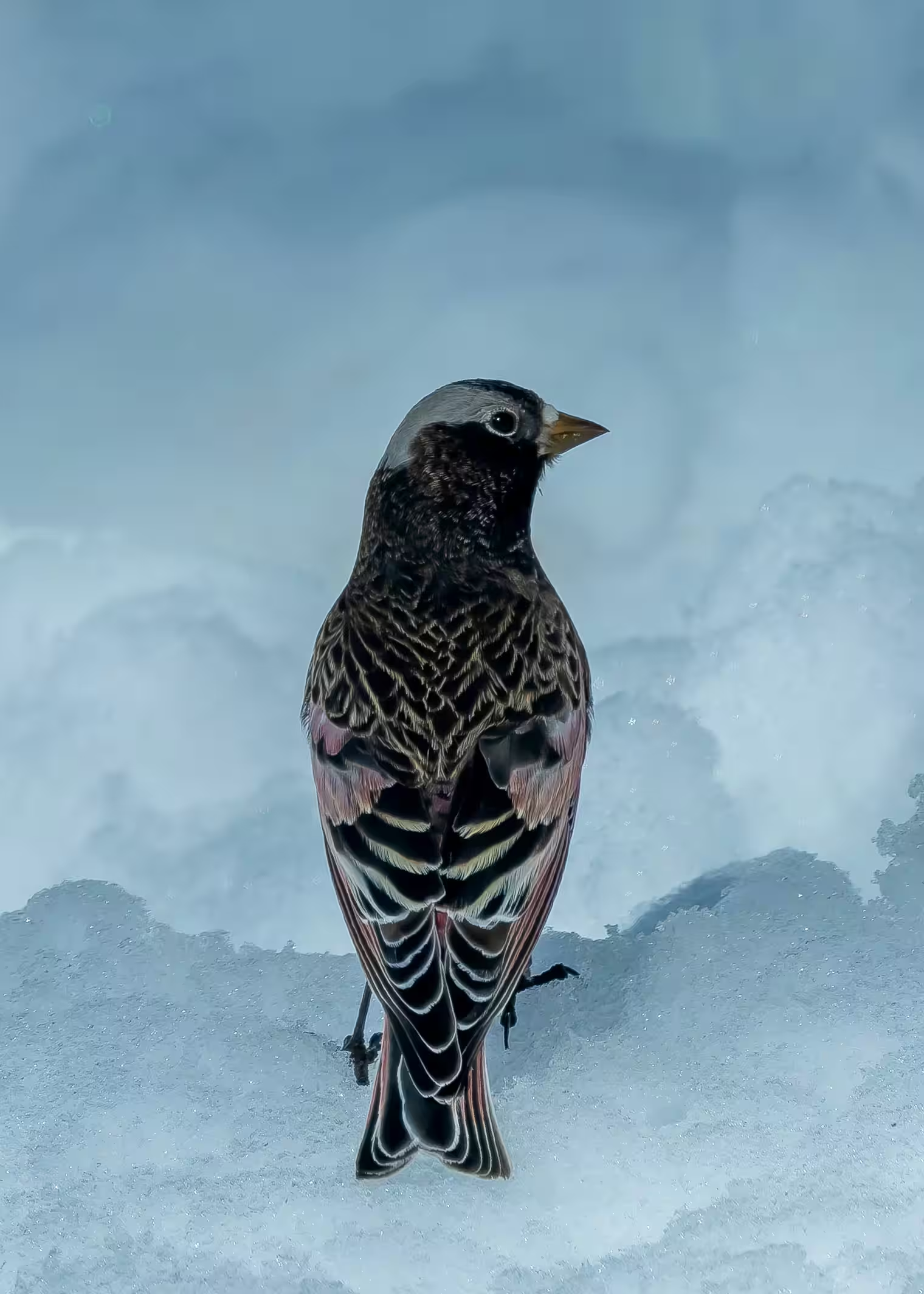
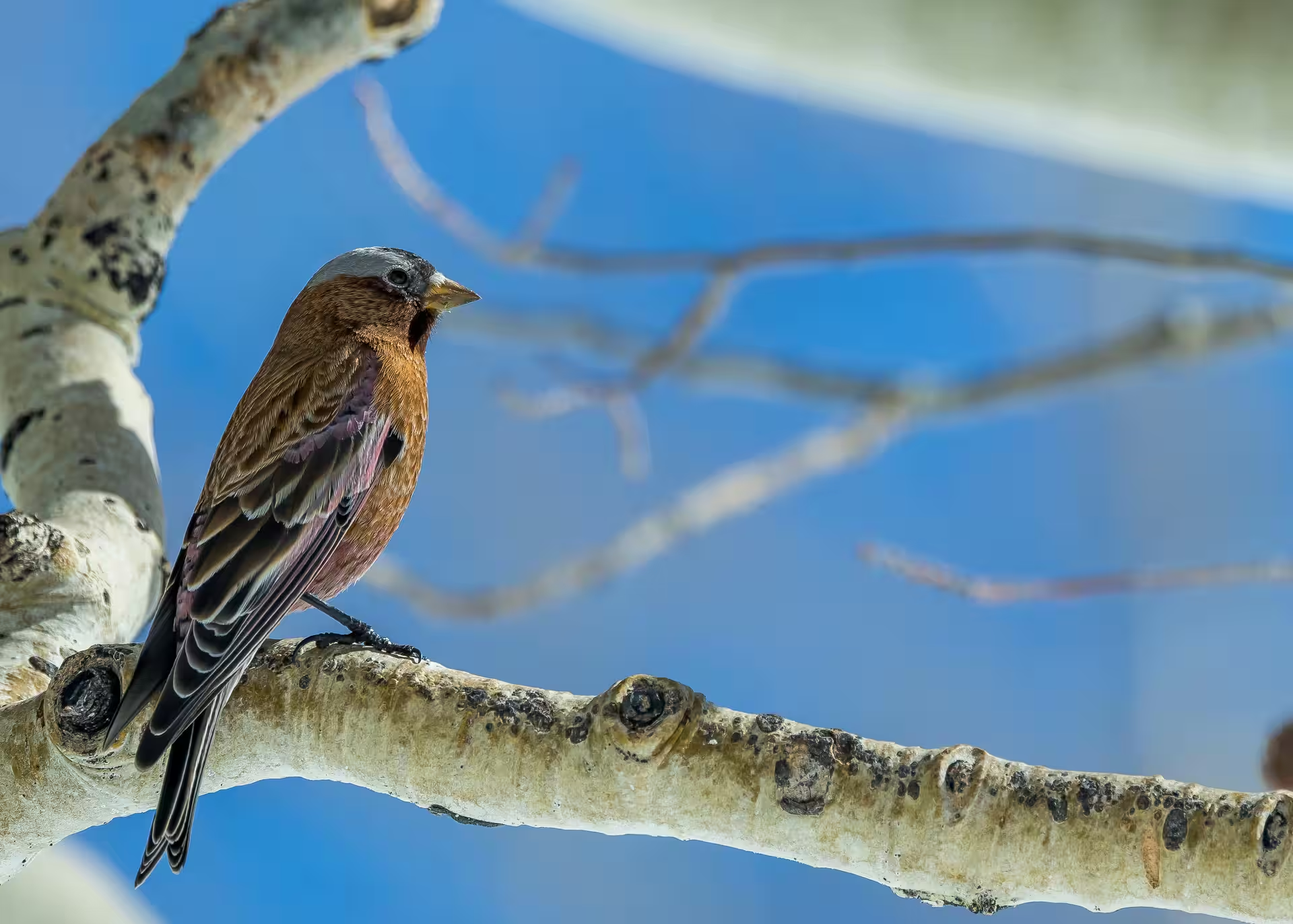
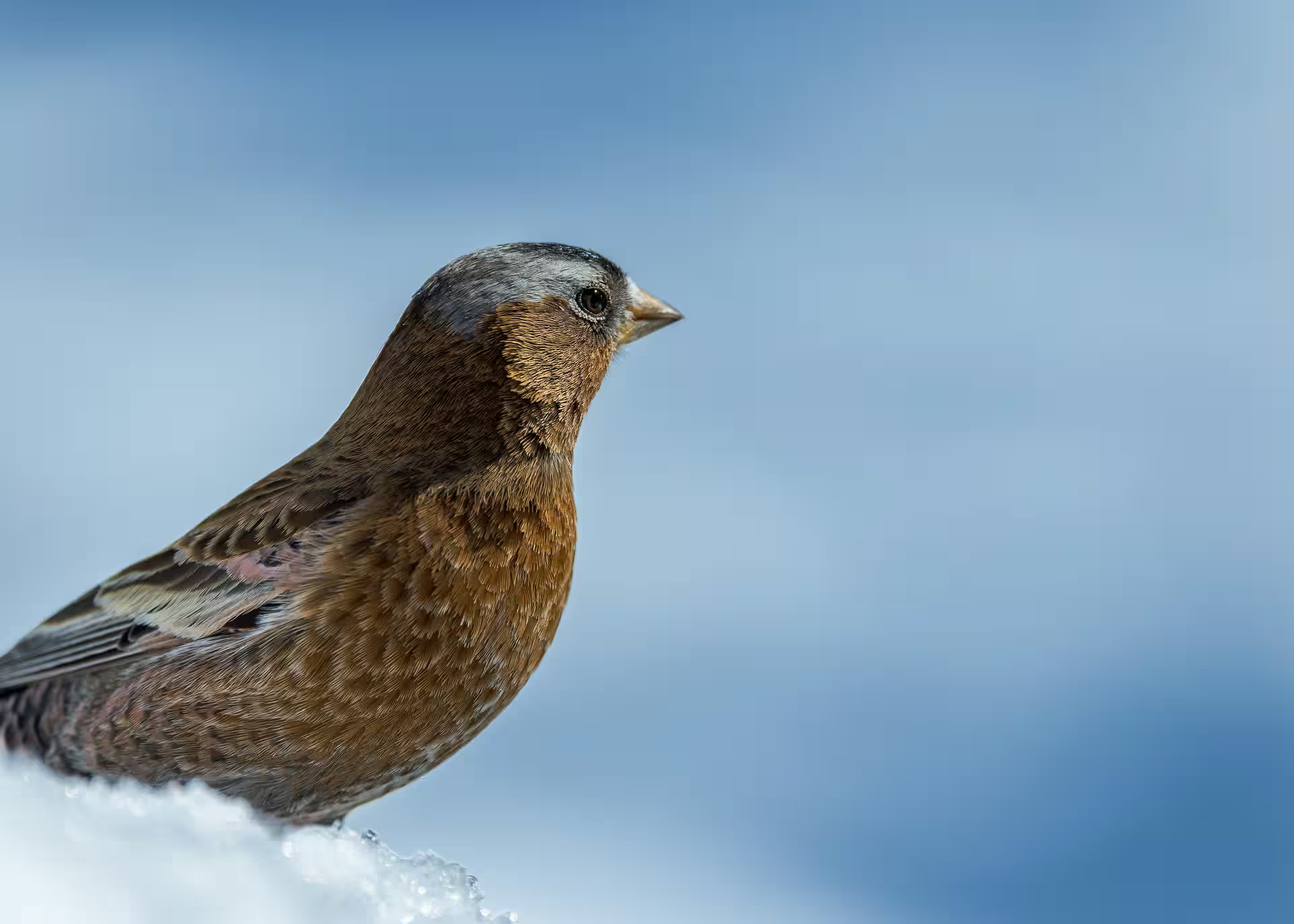
This was the whole reason I came. So before the story gets any weirder—banding nets, small-world run-ins, and missed meetings—here’s a small gallery of the birds that started it all.
The Alpine Switch Flips
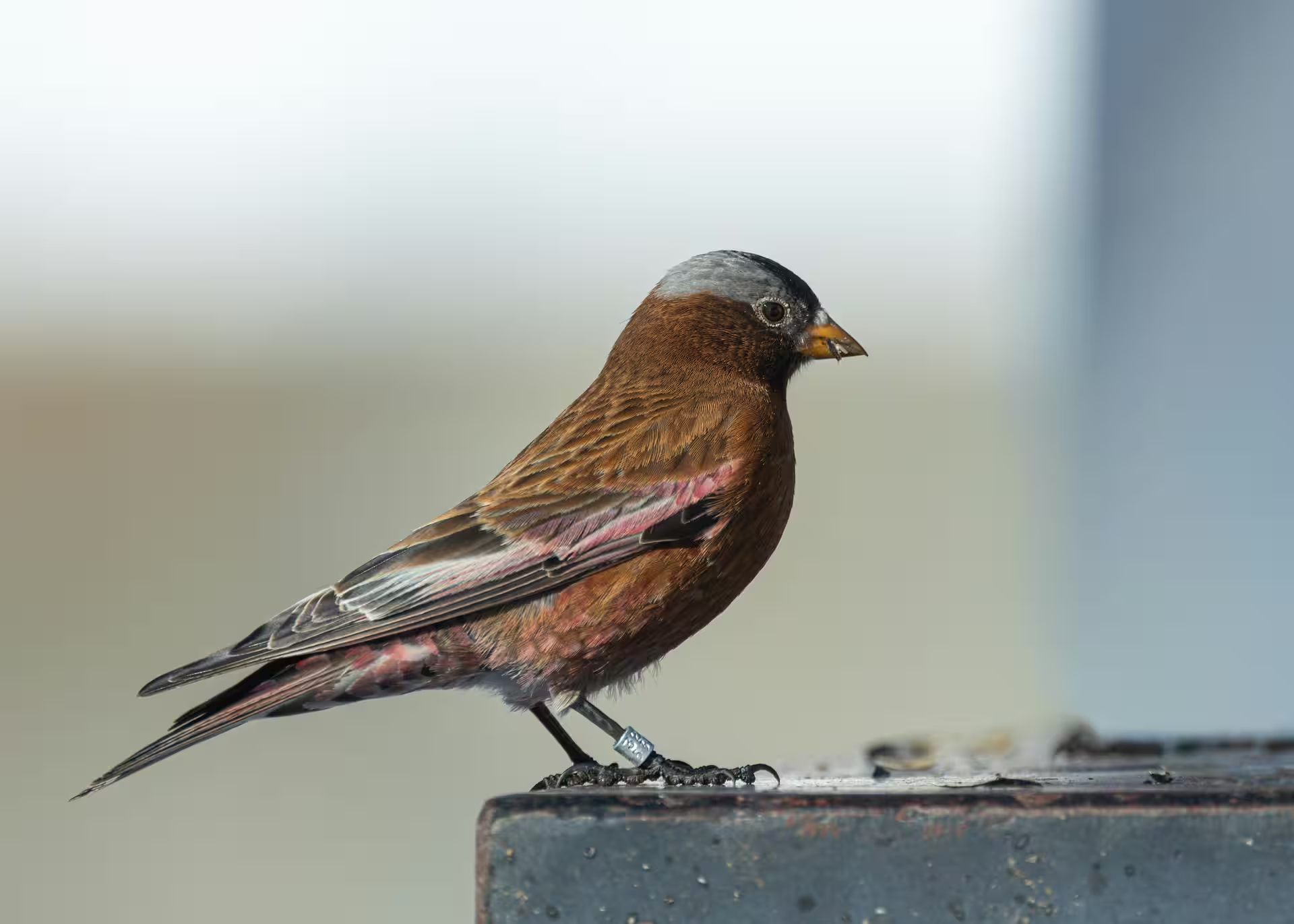
I started shooting immediately. Birds flushed, settled, and cycled back in like a living tide.
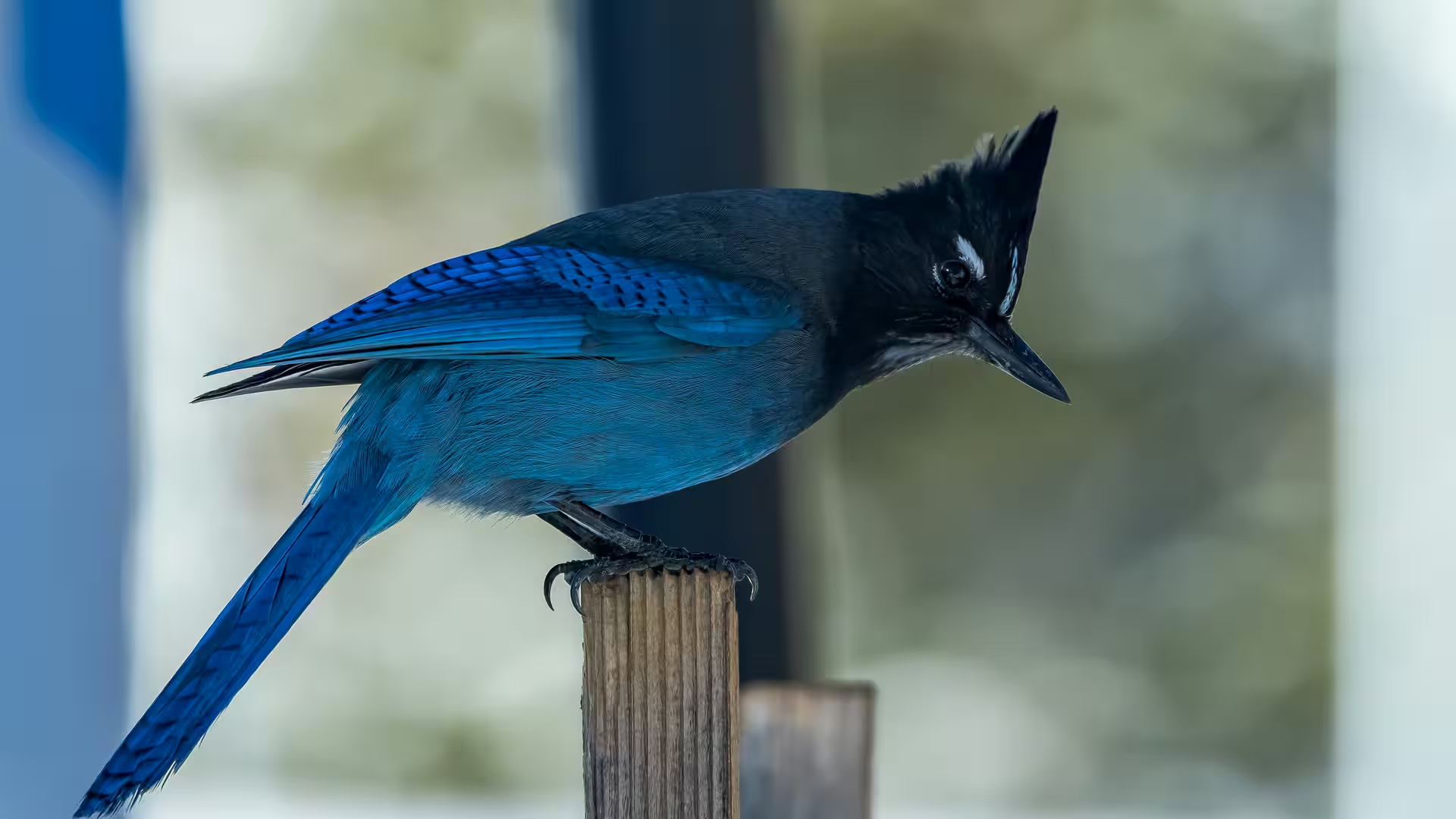
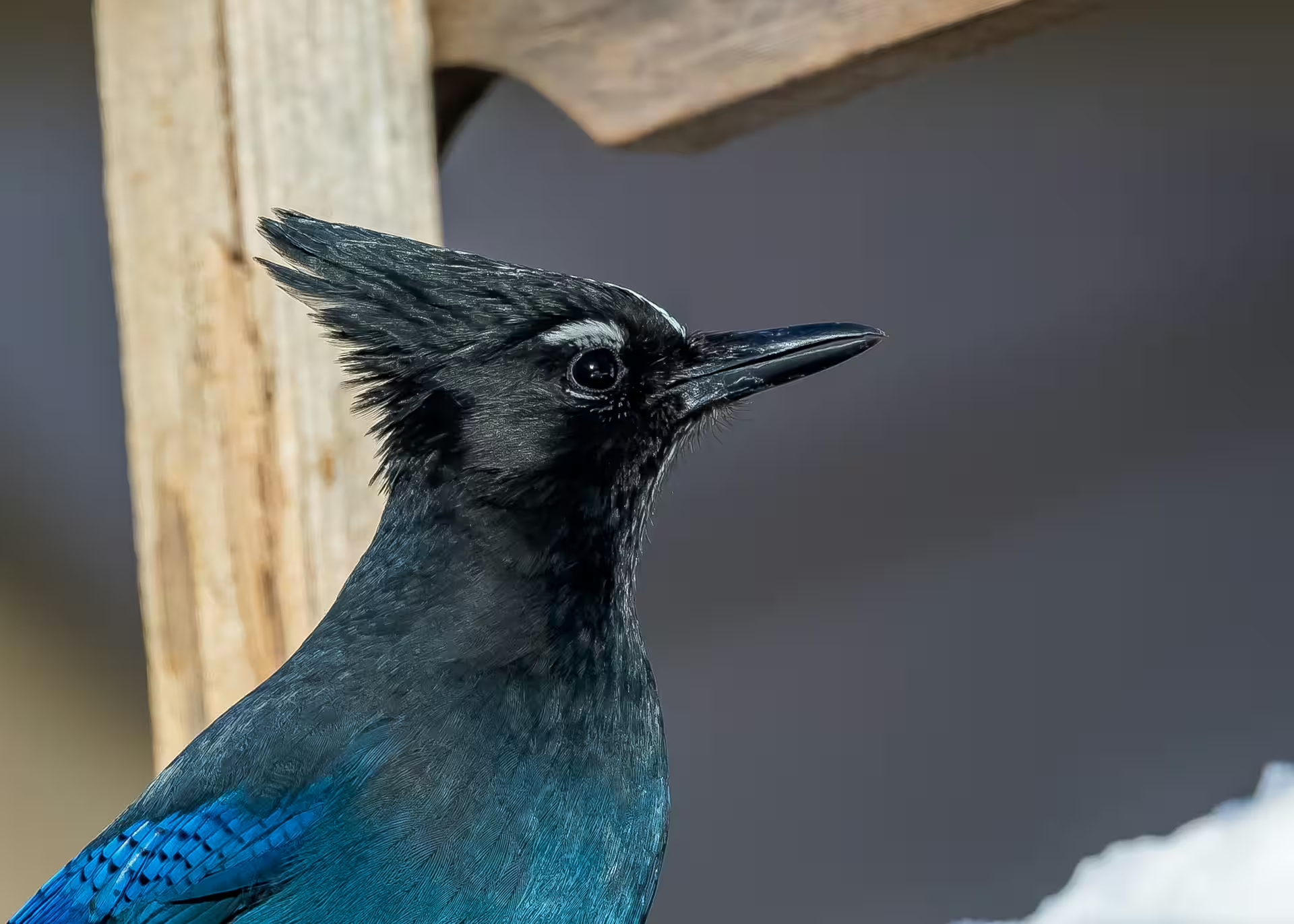
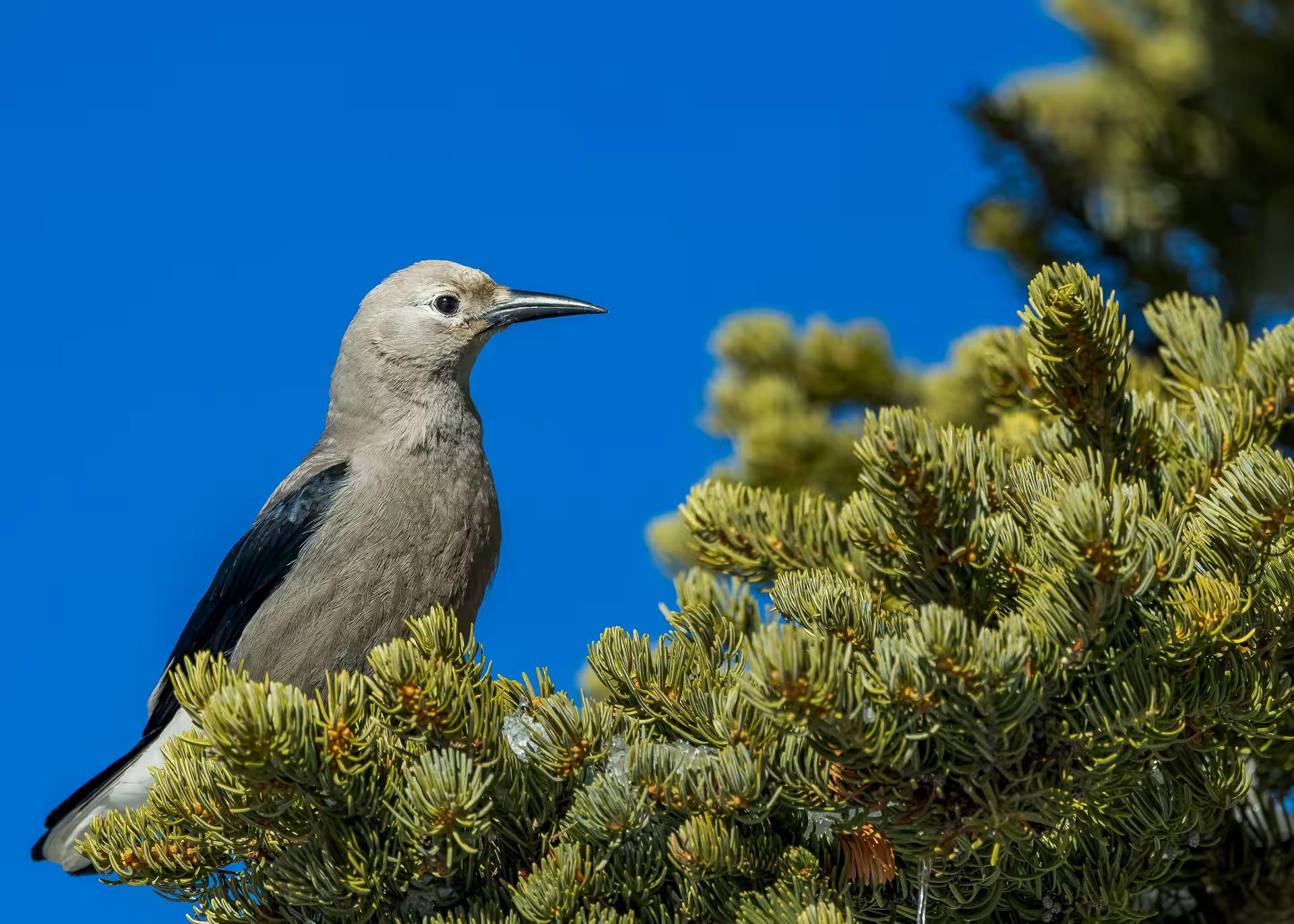
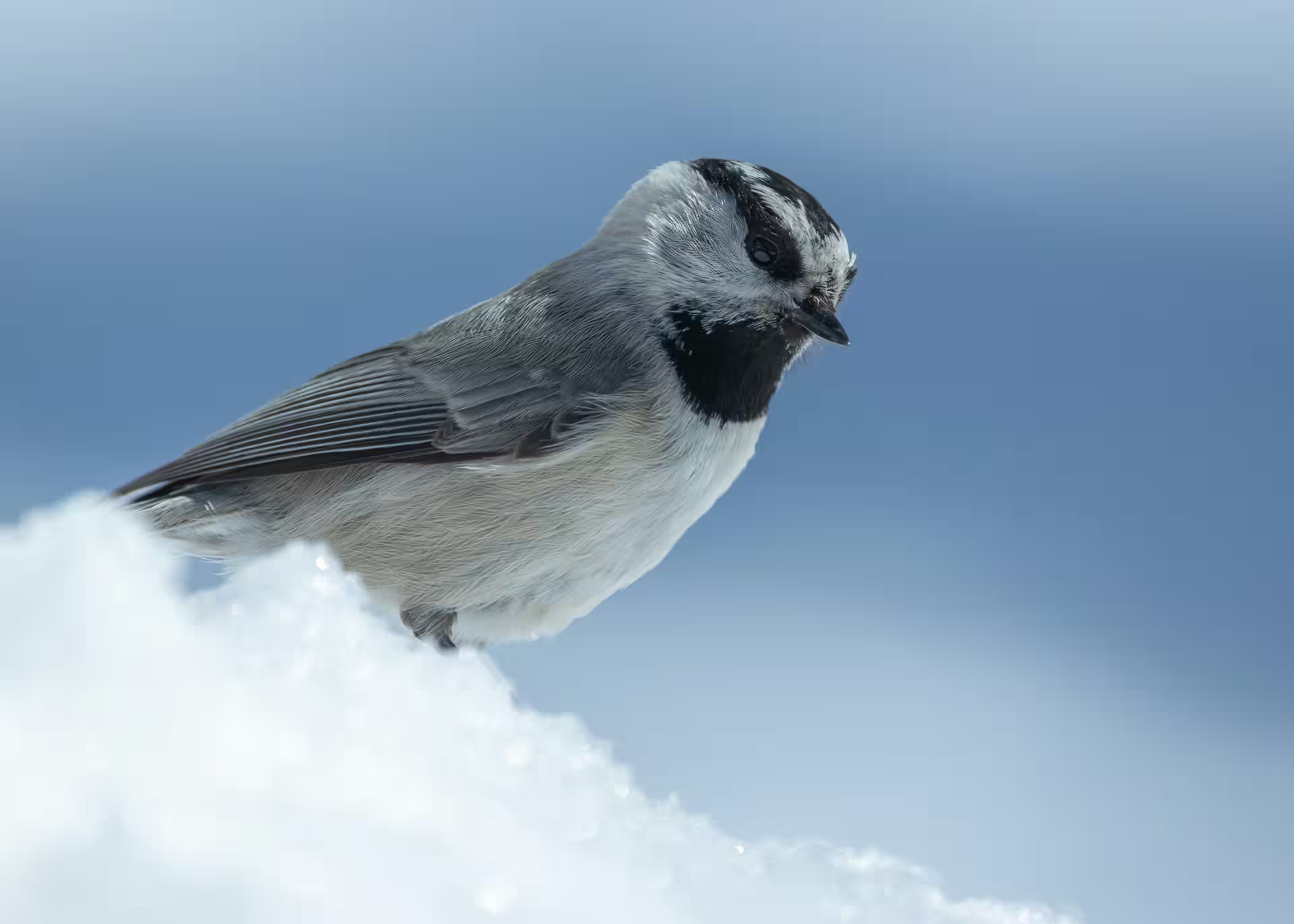
Then the rest of the alpine cast showed up fast: a Steller’s Jay, a Clark’s Nutcracker, and a pair of Mountain Chickadees. It felt like the canyon was saying: welcome—this is what lives up here.
And then—one of my favorite tiny details of the day: a female California Quail wandered up toward the feeders, looked at the crowd of people, cameras, and commotion… and immediately did a full 180 and walked away.
The Twist
There was a young group of people nearby, talking about birds. At first I assumed they were just a group—maybe filling feeders, maybe hanging out. I remember thinking: when are these guys going to leave so I can get back to the best spot?
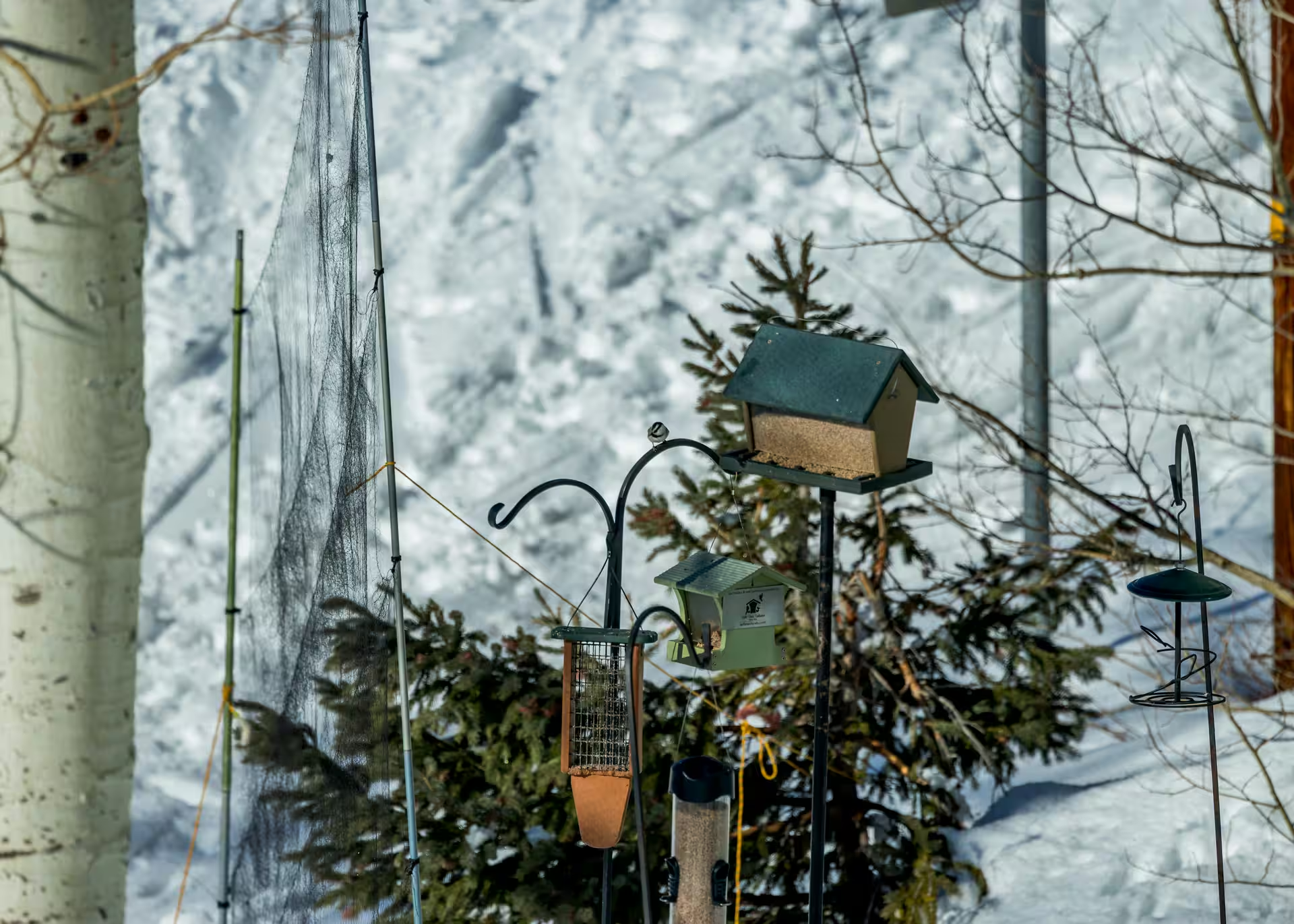
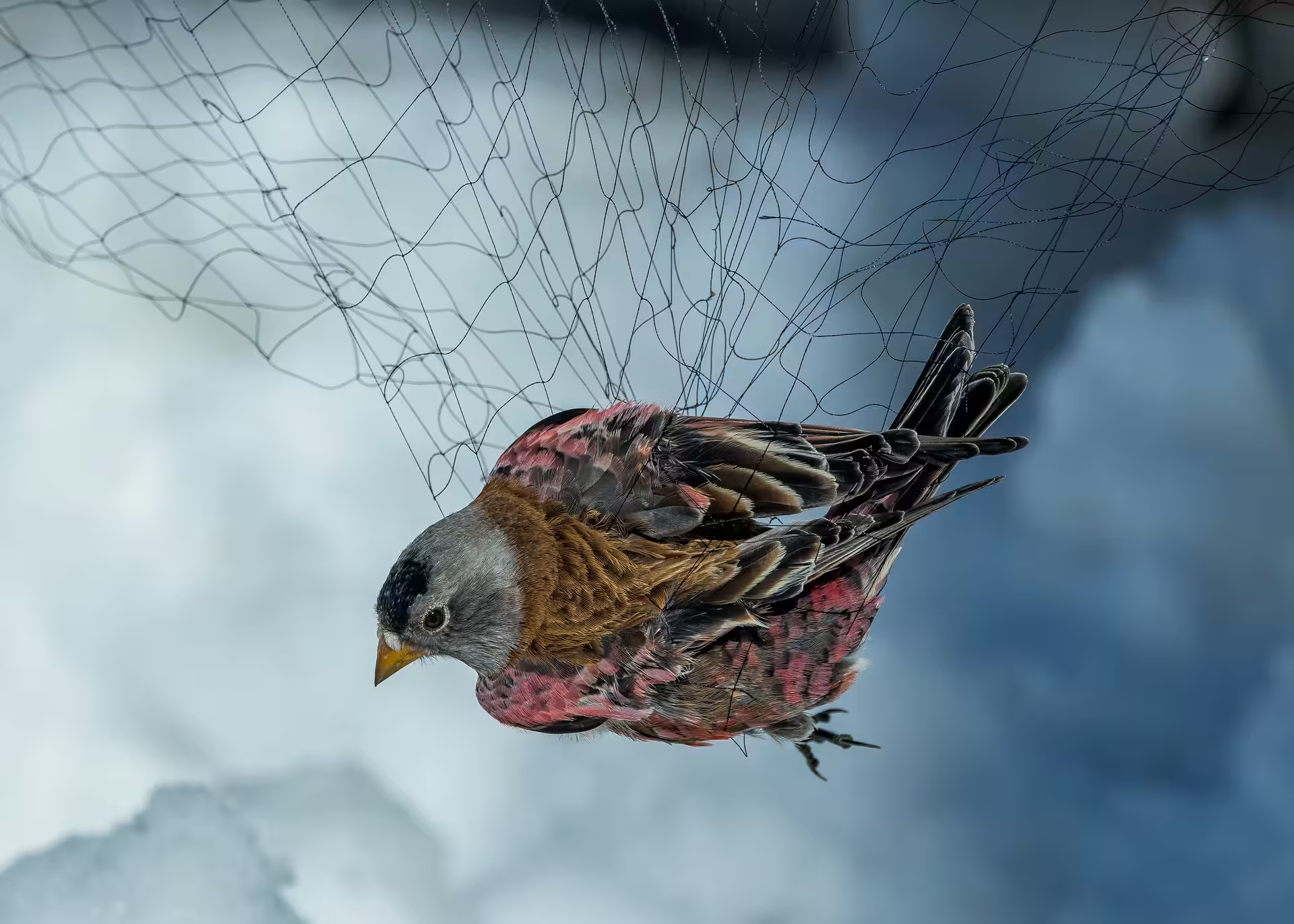
Then the banding setup appeared almost instantly. The net went up. The station came out. And suddenly it was obvious: this wasn’t just a gathering. This was a banding day.
I walked over and started chatting with the group. One of them suddenly looked at me and said: 'Wait… I know you. What was your name?'
'Mike Marshall.'
She pointed at herself: 'Keeli.' It was Keeli from Utah County Birders—someone I had only interacted with online while helping with the UCBirders website.
Another photographer nearby admitted she recognized me from the Facebook birding groups, and within minutes the circle expanded again when she realized one of the banders was Angie from Tracy Aviary, someone she had already been emailing about a Tucson trip. Standing in the snow at Alta, the whole birding world suddenly felt very small.
Rosy Finches in Hand
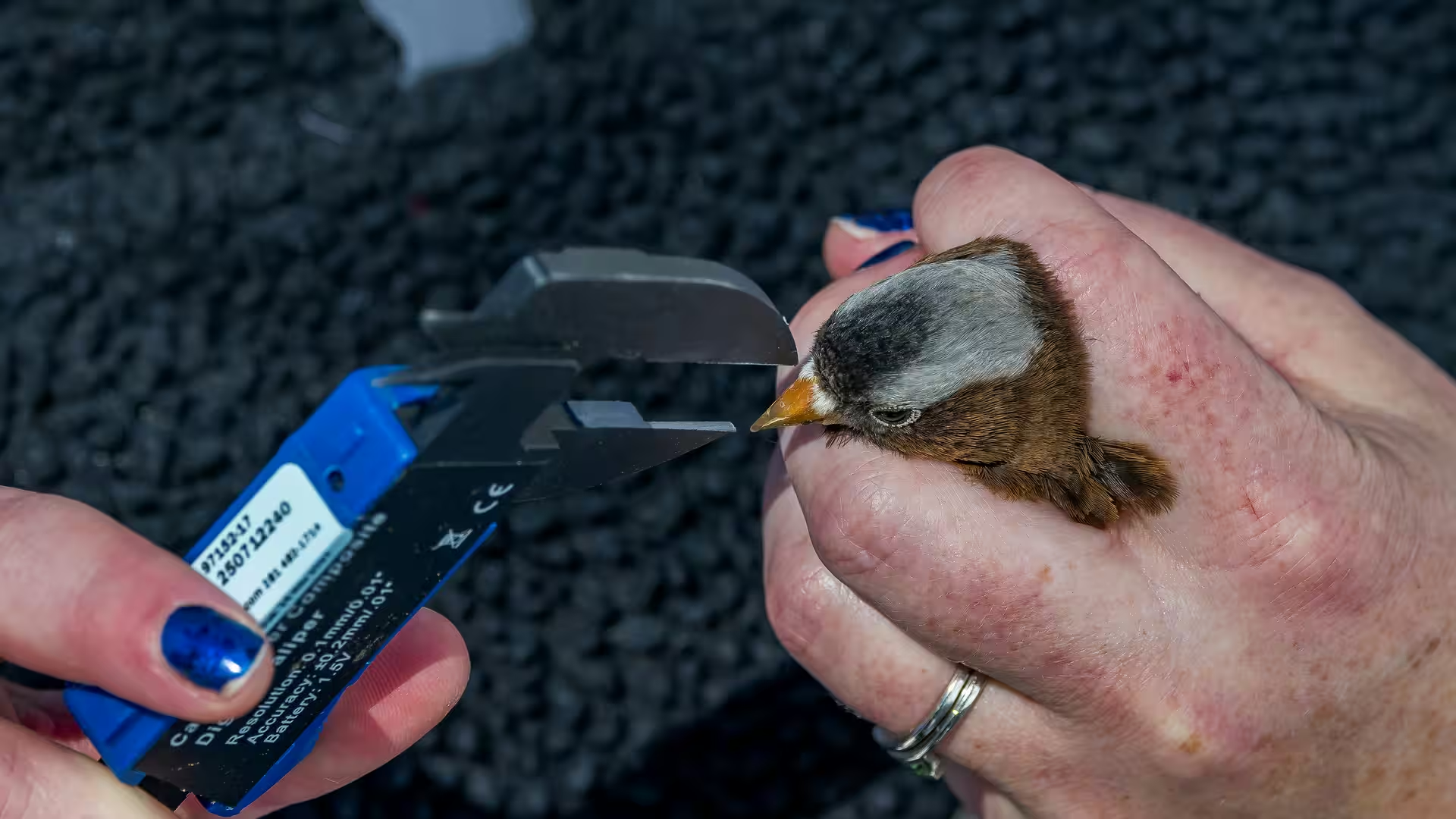
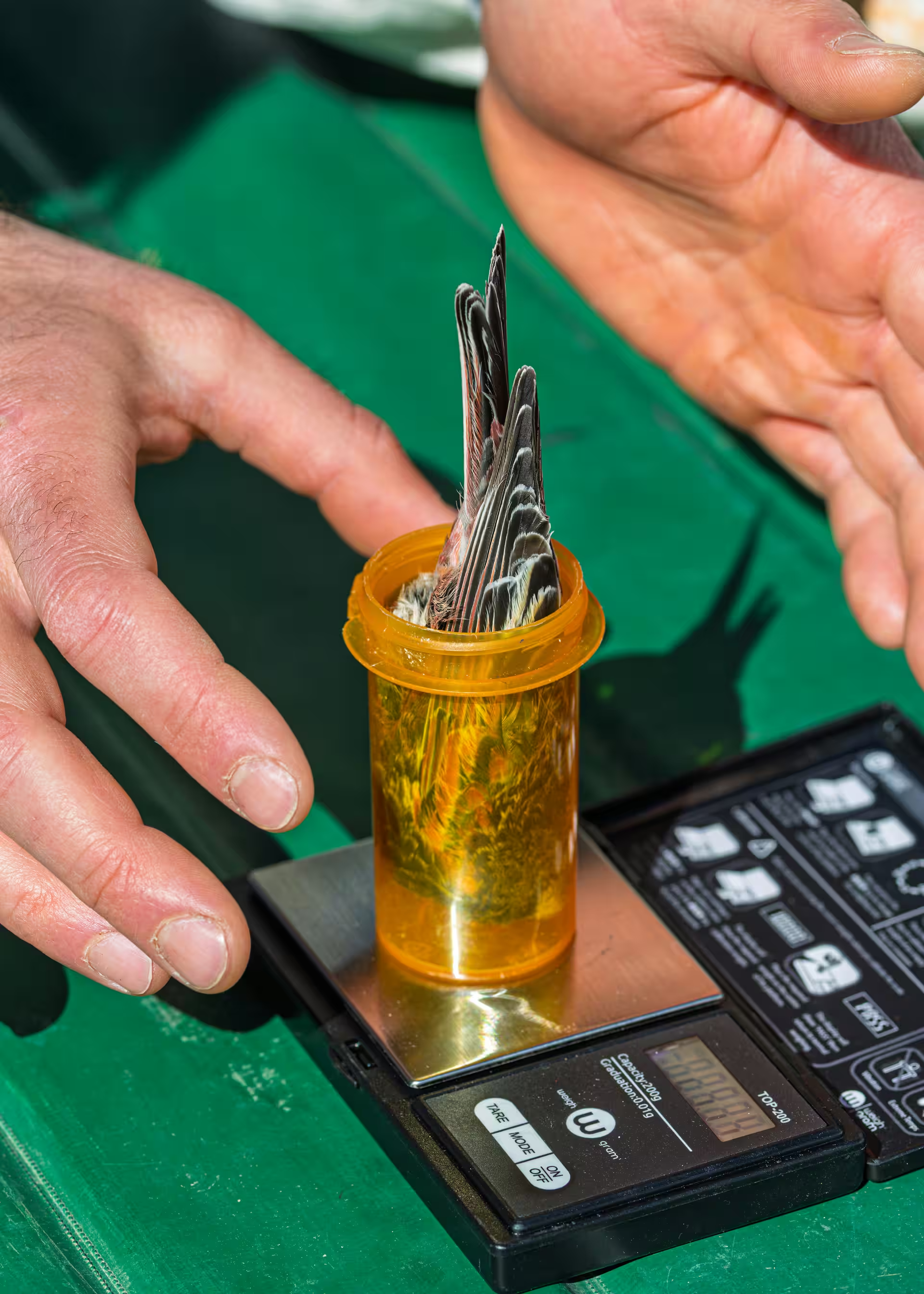
I filmed a lot of the process on my phone while Keeli explained what they were doing—handling, measuring, banding, and recording data.
In this video walkthrough, Keeli explains the full sequence from net removal to measurements, banding, and release.

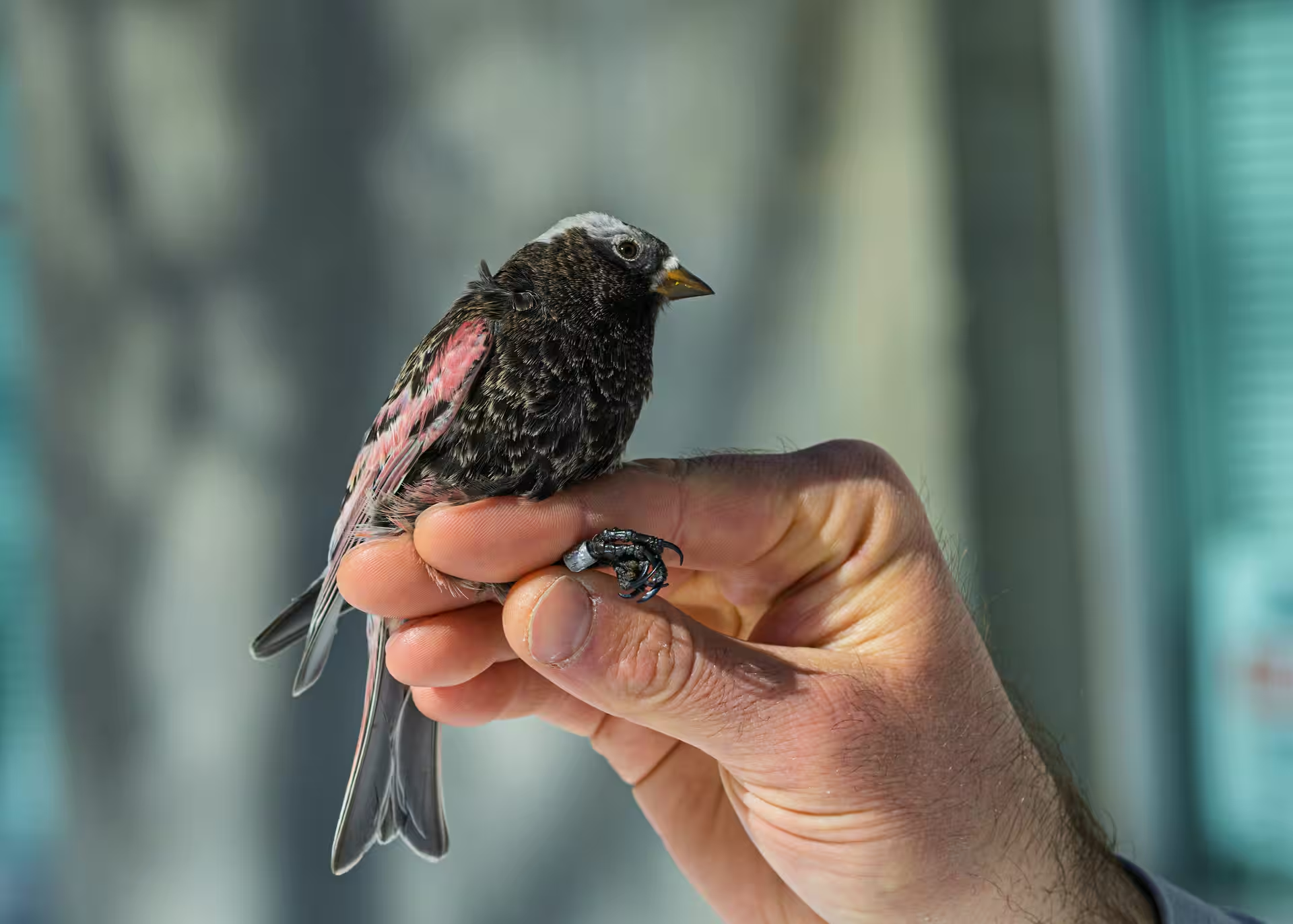
Here are a few still moments from the banding station.
We only caught two Black Rosy Finches, and the team was understandably careful and deliberate with those birds.
But we banded multiple Gray-crowned Rosy Finches, and Keeli even taught me how to hold them properly—two fingers over the shoulders like a roller coaster restraint.
They were surprisingly calm most of the time. The only real protest was the occasional bite. The Gray-crowned got me a few times.
The Release
Then came the part I didn’t expect: Keeli let me release birds.
I released two Gray-crowned Rosy Finches. Keeli filmed it for me, and she gave me instructions that still make me laugh: “Okay… blow on its butt.”
I did. And the finch shot straight out of my hands into the alpine air. It’s one of those tiny moments that feels unreal in the replay.

A Bearded Surprise
Just when the day already felt full, one more bird decided to show up.
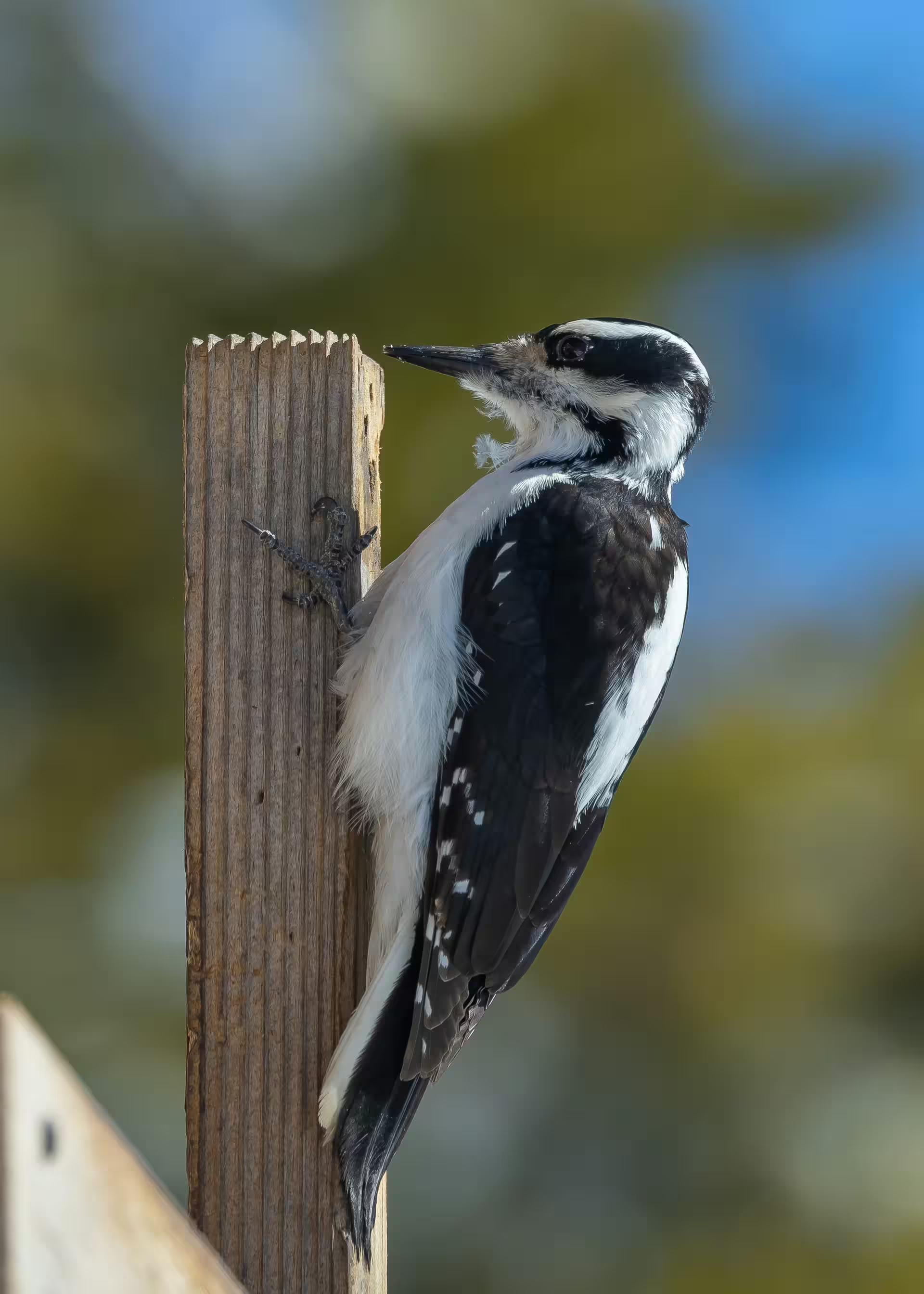
A Hairy Woodpecker appeared near the feeders and stuck around long enough for me to finally get the photos I had always hoped for.
The funny part is I had technically seen this species once before—briefly while backpacking in the Uintas a couple of years ago. Just long enough to snap a terrible photo before it disappeared.
This time was different.
The bird hung out. I moved closer. And I walked away with some of my best woodpecker photos.
Now I know Downy and Hairy Woodpeckers can look similar at first glance. Hairy is bigger with a much longer bill. But when you get close enough to really see one… you understand the name.
I swear this bird had a beard that would make Santa jealous—thick, bristly facial feathers and a bill built for serious work.
Where to Find Rosy Finches at Alta
If you’re searching online for how to find rosy finches at Alta, here’s the simplest version: the tricky part isn’t the birds—it’s getting confident about where to park and which area to walk to.
For driving directions, open the Alta rosy finch feeders in Google Maps.
The feeders that rosy finches reliably visit sit near the Town of Alta office buildings. Once you park on the correct side of the road and walk up the small hill toward the buildings, the feeder area becomes obvious.

Tip: if you can, aim for weekdays. On busy weekends, Alta’s parking rules can add friction (including permit/reservation enforcement). Midweek visits remove that stress and make the whole experience feel more approachable.
A True Quest
I drove up hoping for rosy finches.
I got rosy finches—plus banding science, a small‑world birding moment, FeatherQuest momentum, and two releases into alpine air.
My wife calls it the lucky gene. A photographer that morning said moments like this probably find me because of a kind attitude. I took that as a huge compliment.
But I think the real secret is simpler: show up curious—and let the mountain surprise you.