Dallas Winter Birding Quest
Dec 5–7, 2025 • Dallas, TX • White Rock Lake & LLELA
Quest Overview
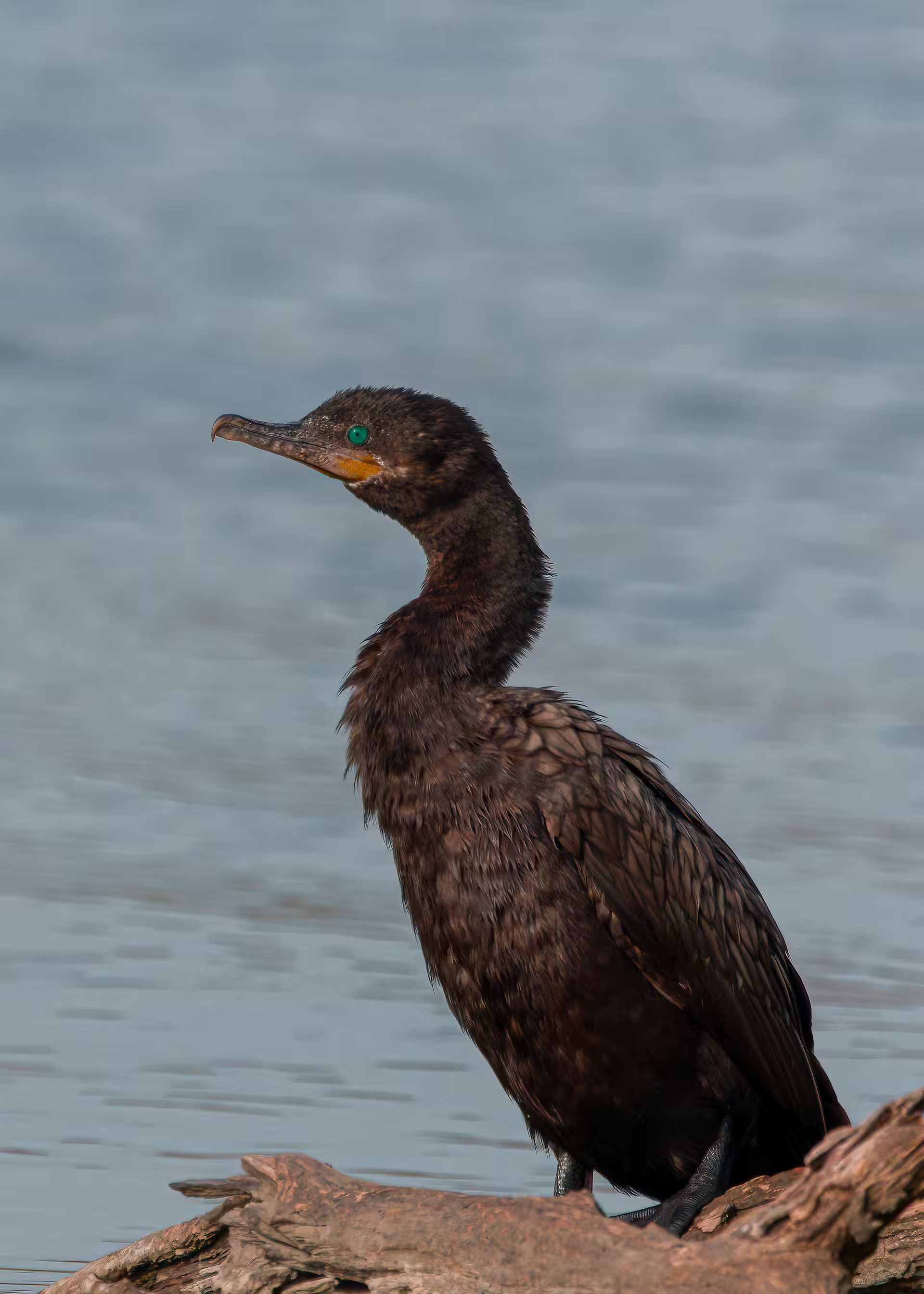
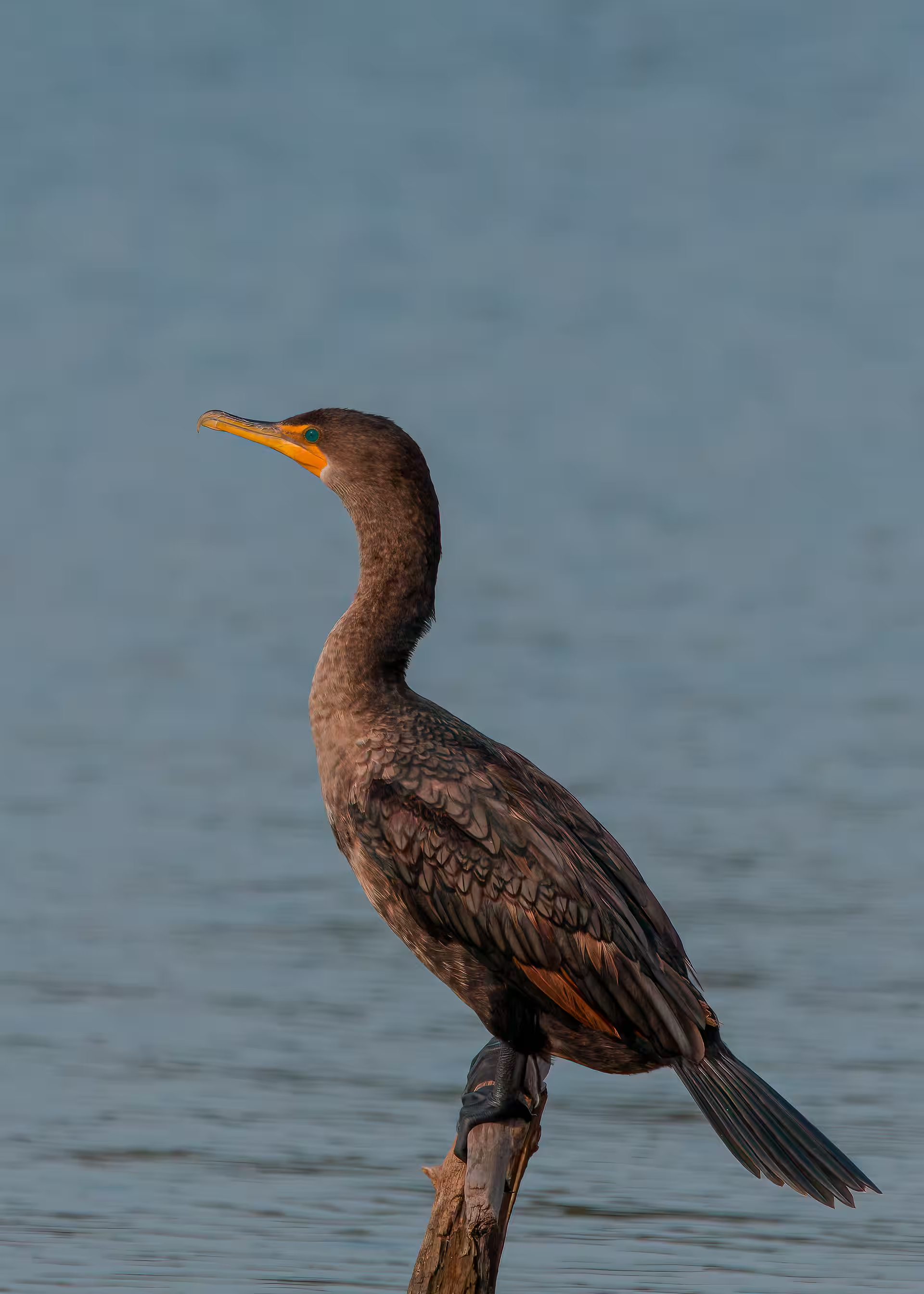
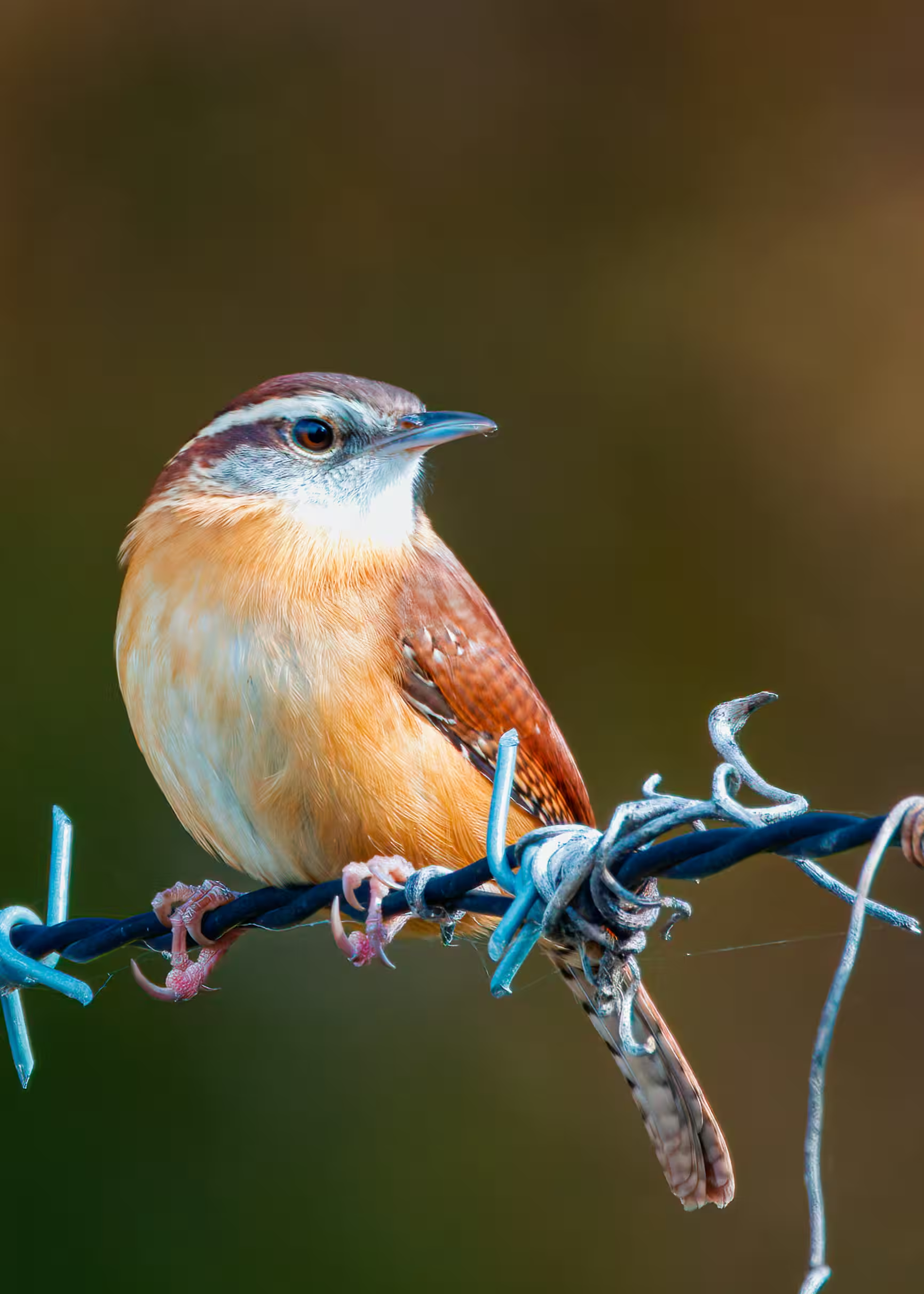
Four lifers at White Rock Lake to kick off the weekend A close-up Carolina Wren portrait in perfect winter light Long-overdue Neotropic Cormorant photo upgrade
Table of Contents
Trip Summary
Our winter weekend in Dallas started as a last-minute football getaway — a chance to cheer on BYU in the Big 12 Championship and enjoy some Texas BBQ — but it quickly turned into one of the most unexpectedly rewarding birding trips of my year. With my wife by my side (patiently tolerating my habit of scanning every tree), we explored two very different sides of Dallas birding: the lively, bird-packed shoreline of White Rock Lake and the quiet, intimate woodlands of LLELA .
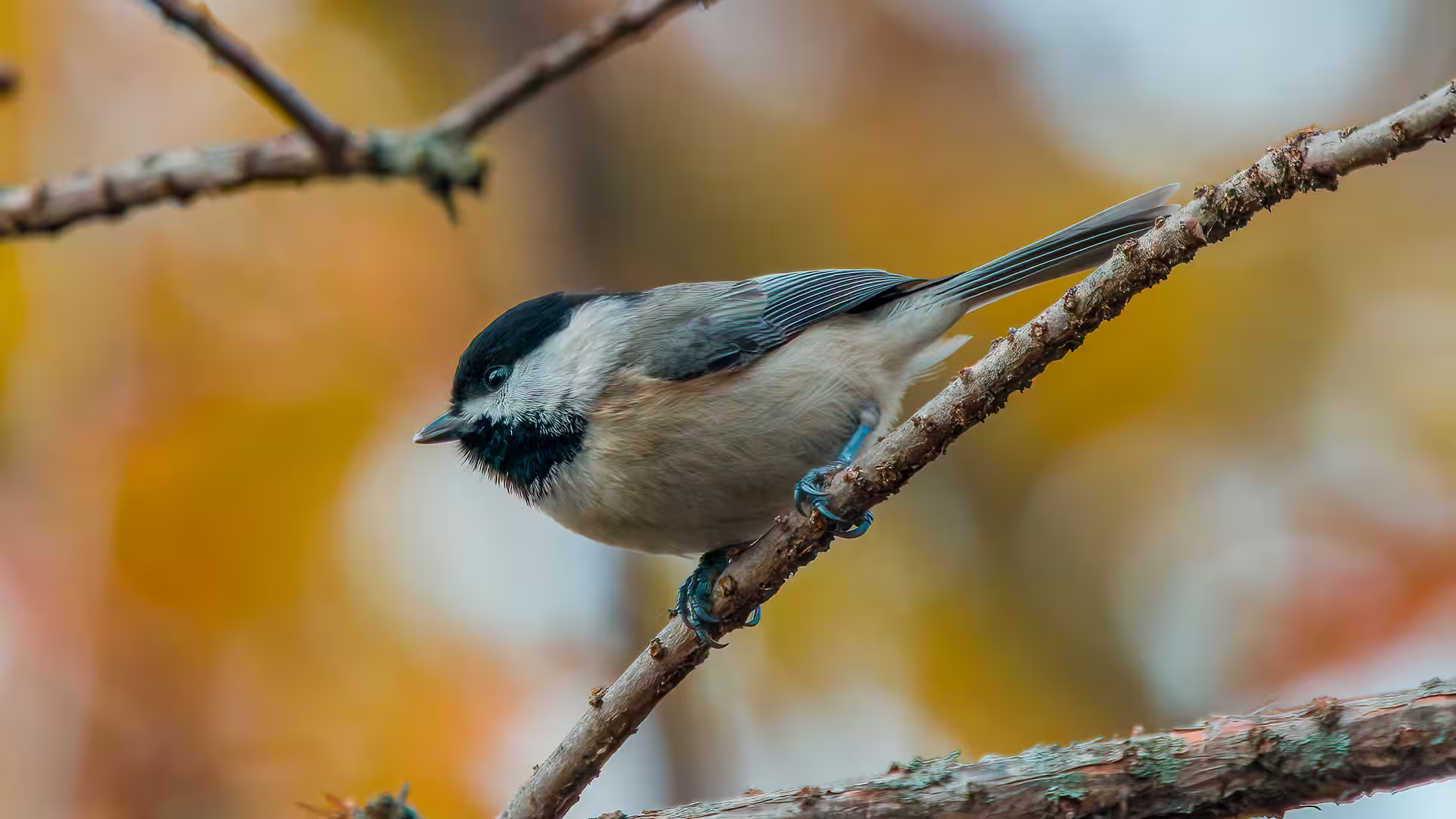
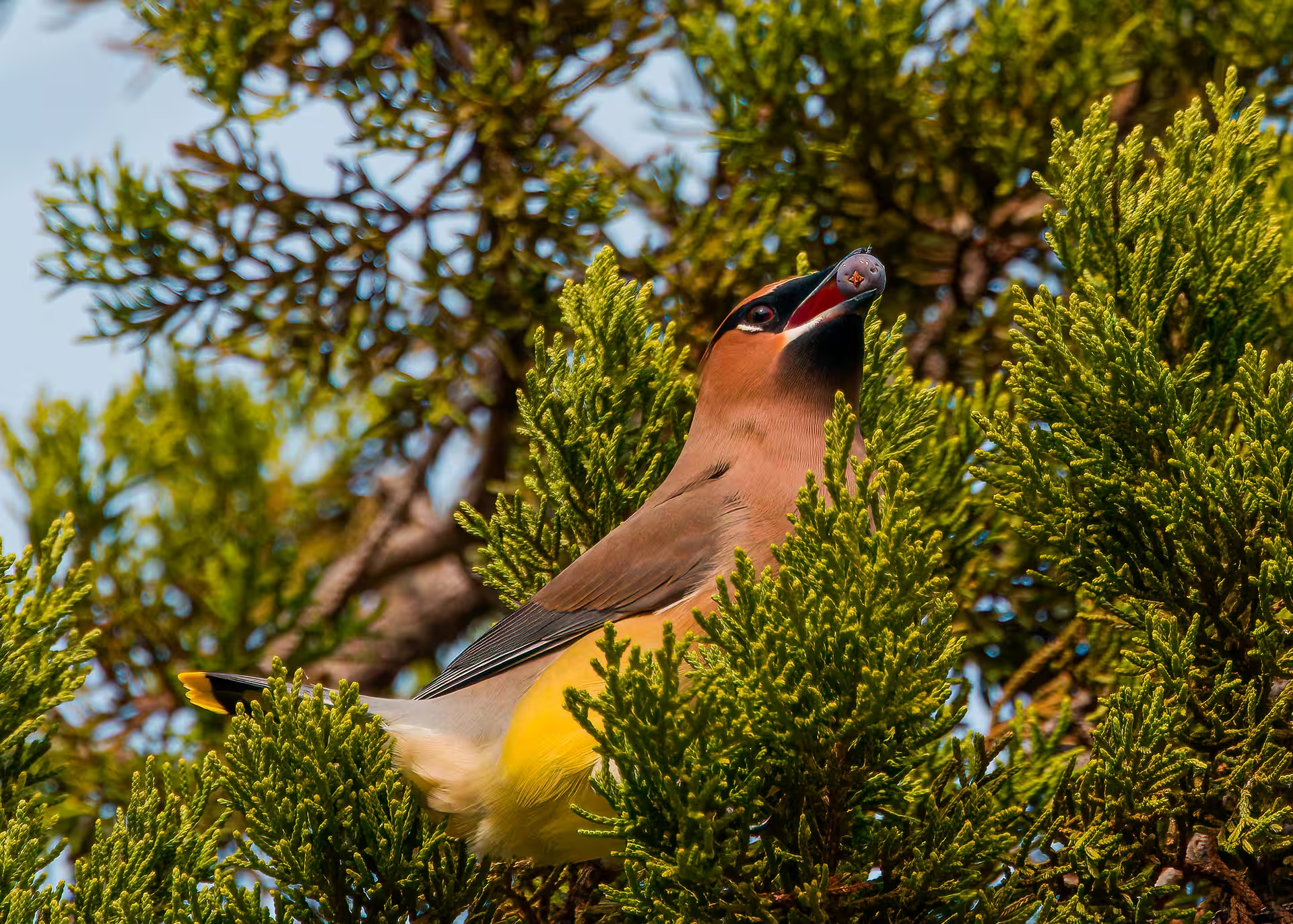
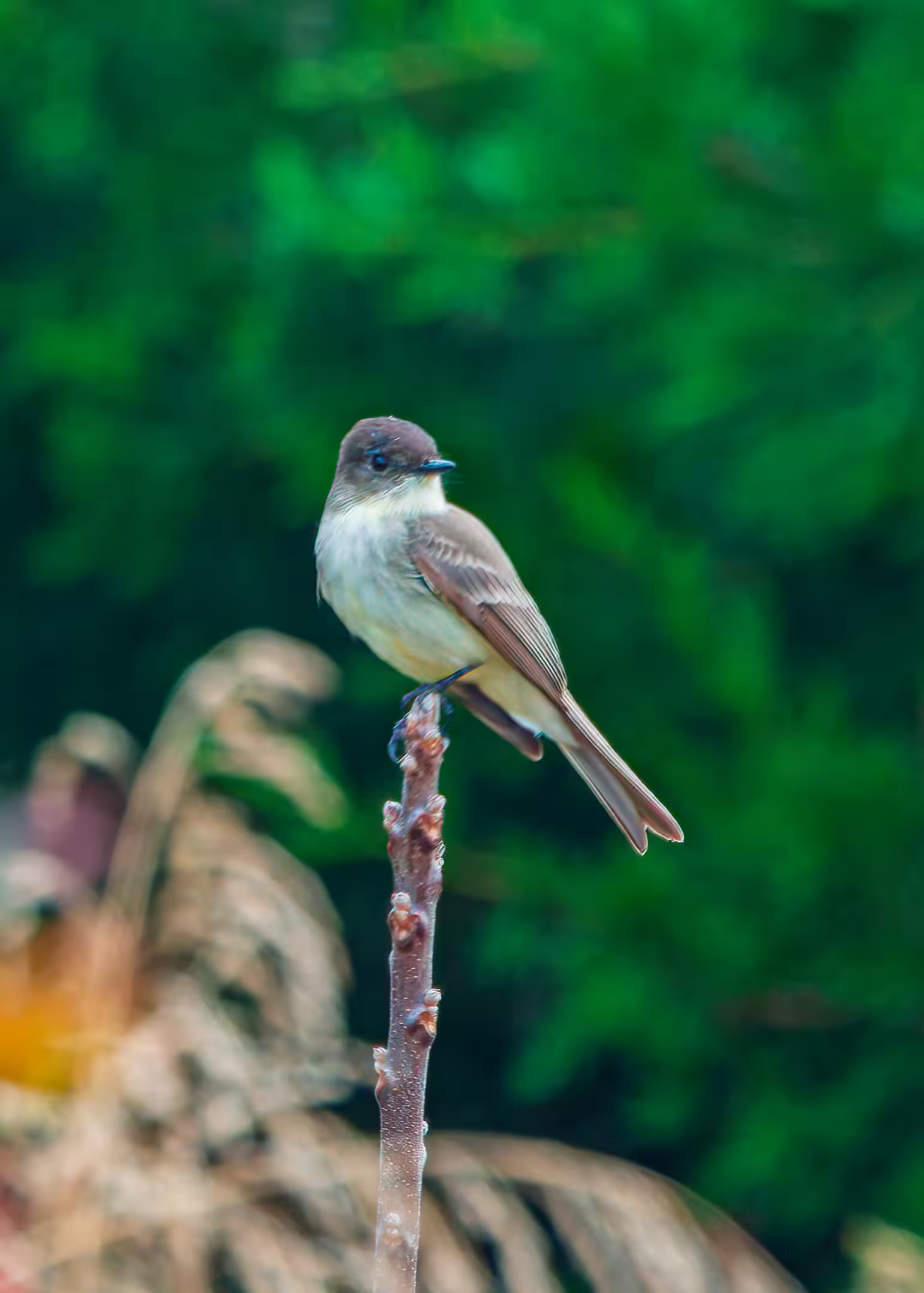
White Rock Lake was a burst of energy: wrens singing from wires, chickadees playing hide-and-seek deep in the branches, waxwings dropping down for berries, and a Blue Jay that — despite my best attempts — continues to outsmart my camera settings. Still, the light was gorgeous, the birds were cooperative, and four lifers made the afternoon unforgettable: Carolina Wren, Carolina Chickadee, Eastern Phoebe , and hearing my first Red-shouldered Hawk in Texas.
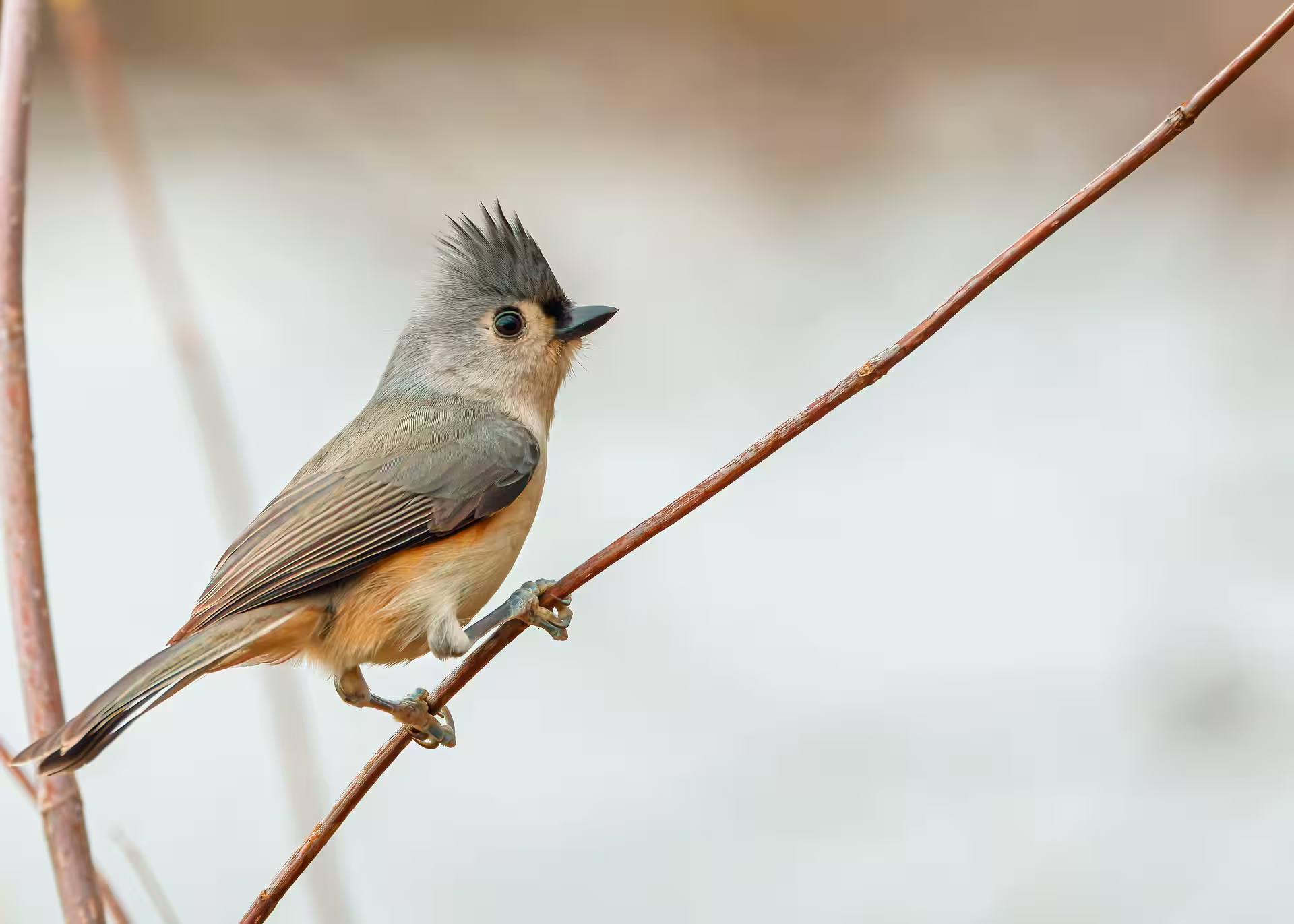
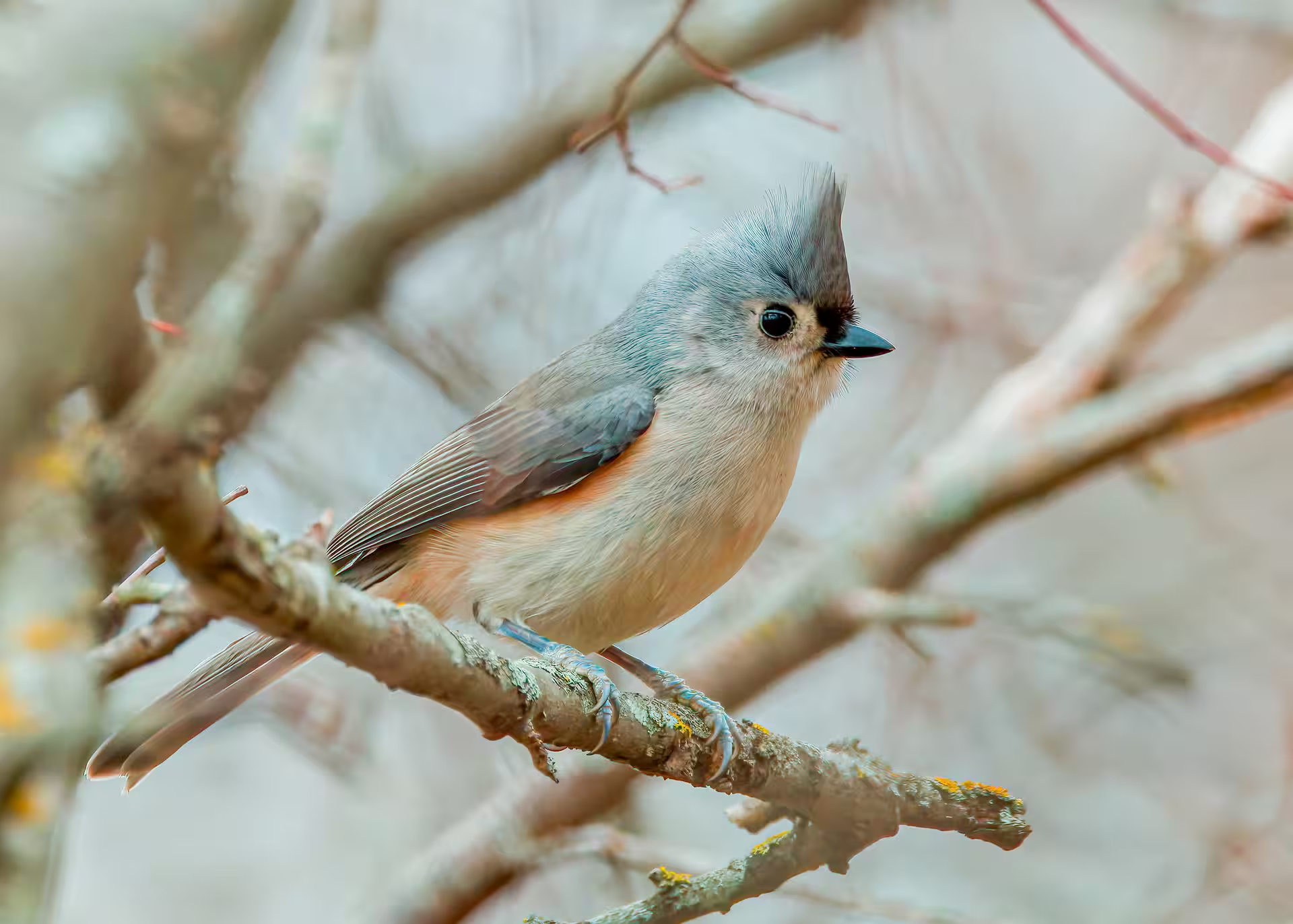
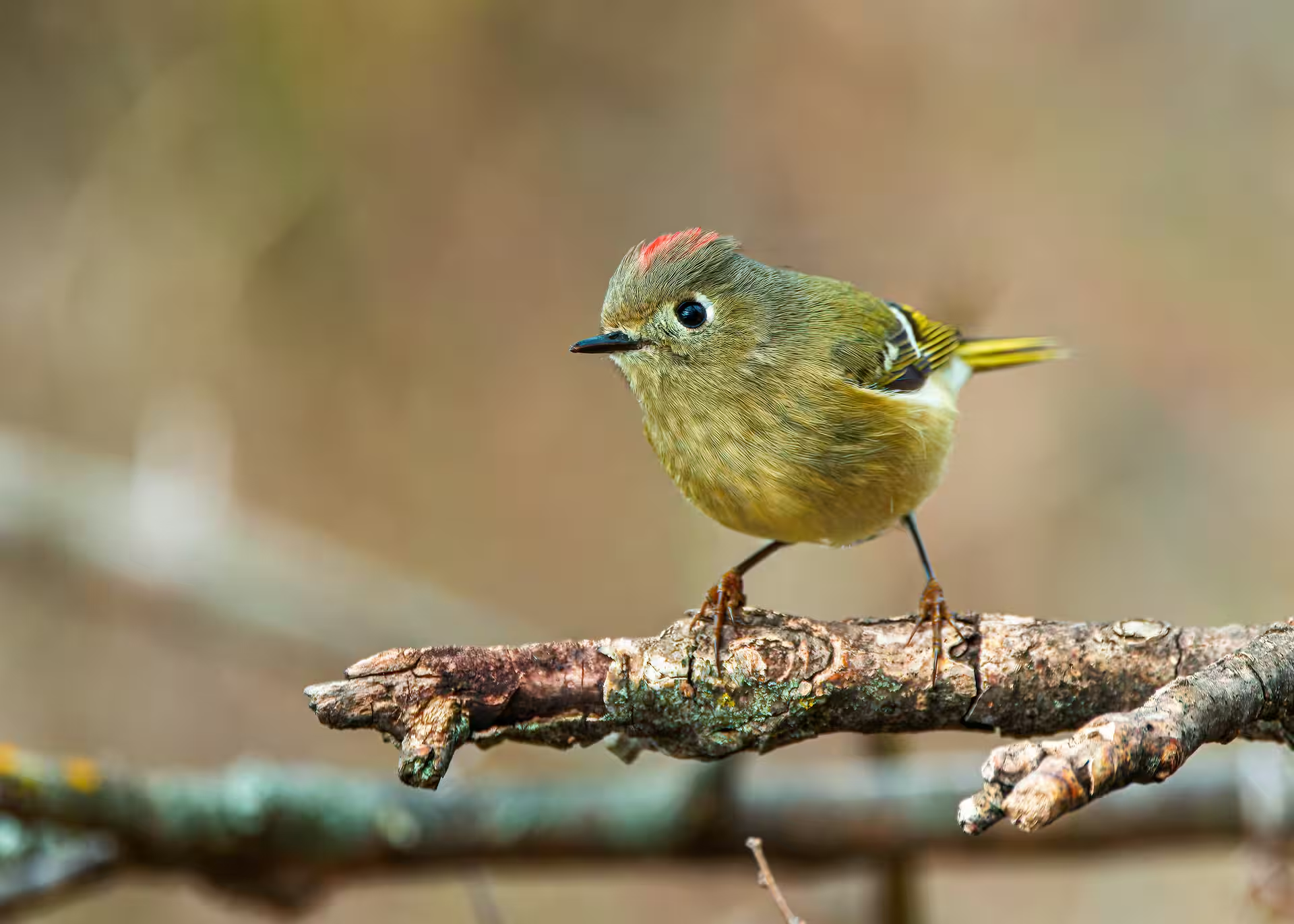
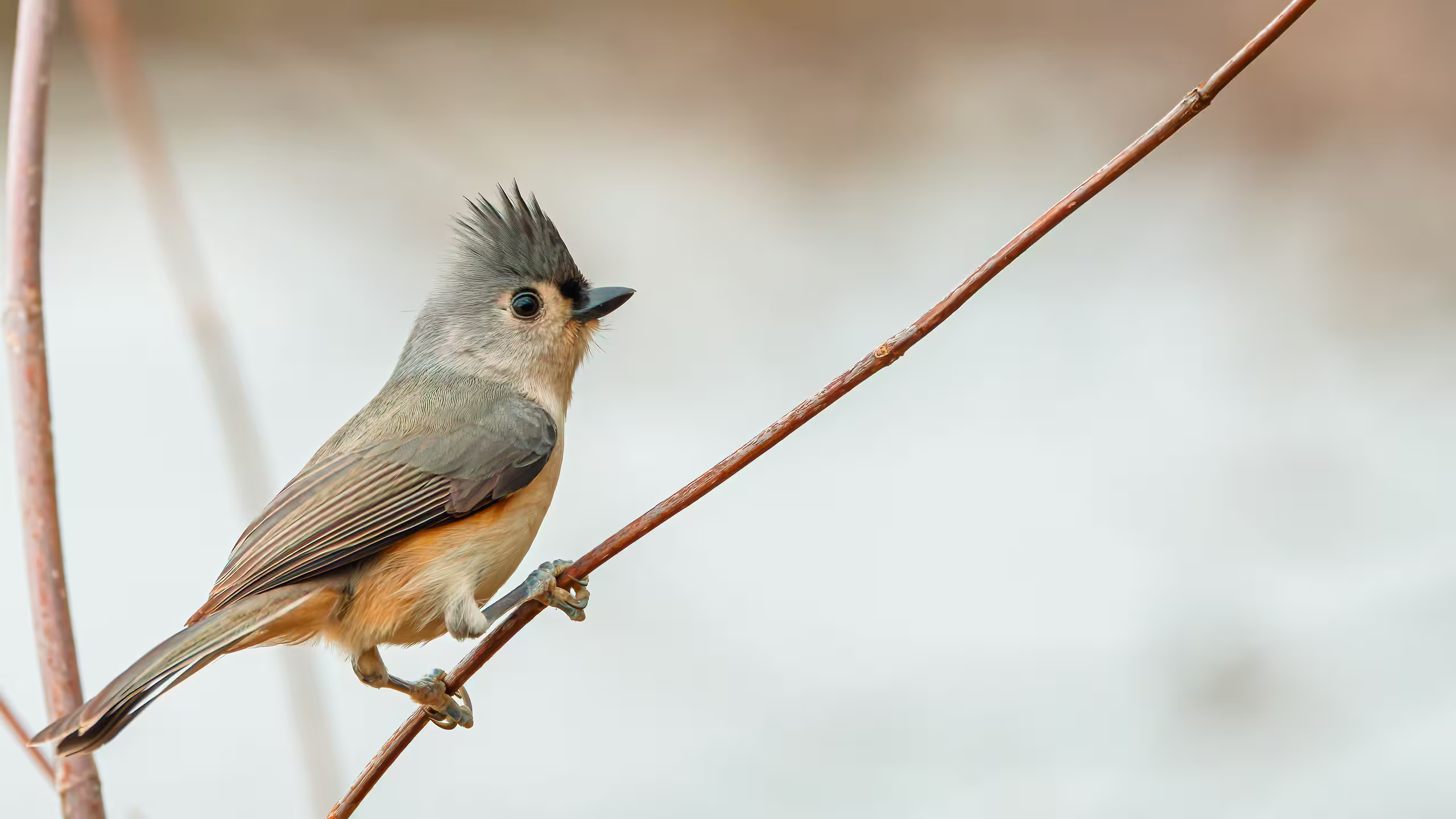
Our final day brought a total shift in mood. After checking out of our hotel, we headed to the Lewisville Lake Environmental Learning Area (LLELA) to fill a few spare hours before our flight. The gate attendant warned us about the cold and wind — but for two Utah natives, it felt downright pleasant. The trails were quiet, personal, and absolutely perfect for immersive birding. Within minutes, a Tufted Titmouse (lifer!) darted around us with twitchy excitement, even pausing long enough to show off what looked like a green stink bug “gift.” A second titmouse near the water gave me some of my favorite shots of the trip, joined by an enthusiastic Ruby-crowned Kinglet flashing its crown.
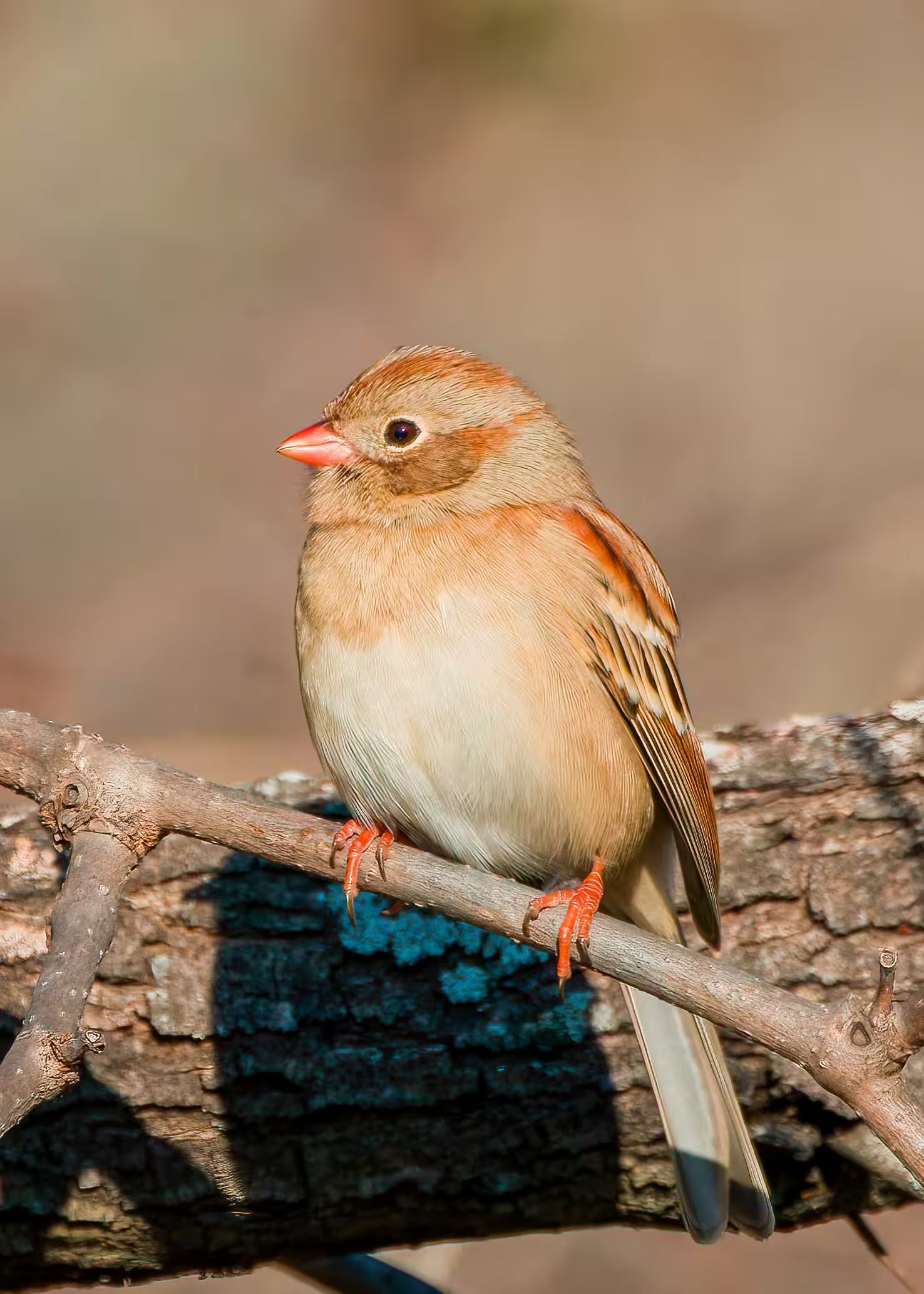
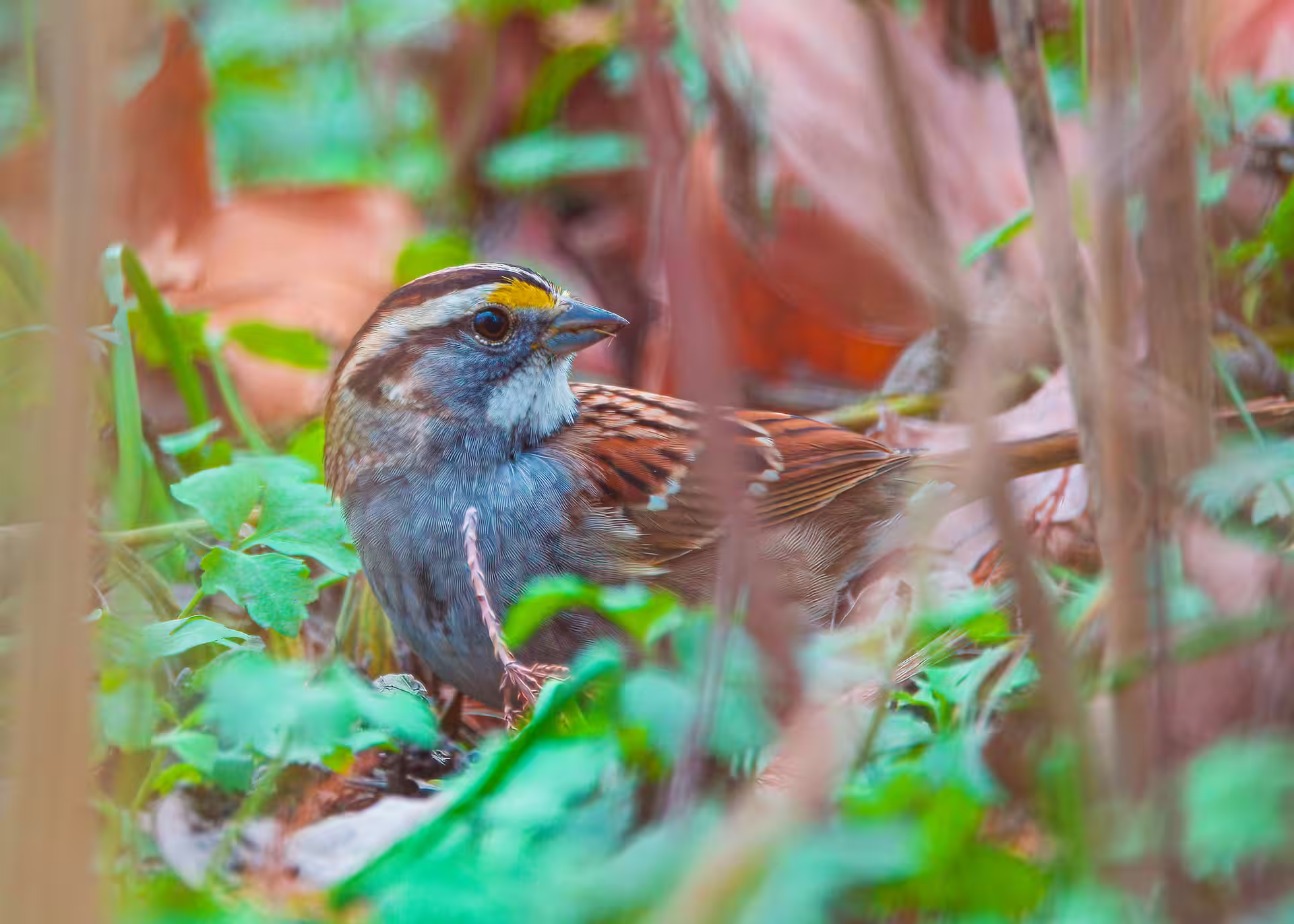
As the clouds burned away and the late-day sun broke through, the final stretch of our walk delivered a cascade of lifers: Eastern Bluebird , Field Sparrow , and my first brief visual of a Marsh Sparrow . A bright Northern Cardinal glowed in the sun, and sparrows and pipits filled the fields with movement — a reminder that even familiar species behave differently in new habitats.
In total, the weekend brought eight lifers , hours of relaxed exploration with my wife, and the reminder that you don’t need a dedicated birding trip to make room for nature. Sometimes all it takes is a free afternoon, a good trail, and a little curiosity. Dallas may have been cold by local standards, but for us it was perfect — and I left seriously wondering if this is where we might retire someday.
White Rock Lake Recap
After loading up on truly incredible Dallas BBQ at Terry Black’s , we made our way to White Rock Lake for an afternoon of exploring. I was hoping Texas would deliver at least a couple of lifers — and it did not disappoint. In fact, four species ended up joining the life list before the day was done.
The first surprise came quickly: a Carolina Wren belting out an unfamiliar but pleasant call. I love unfamiliar calls — they almost always signal a lifer — and sure enough, this one did. Moments later, a Carolina Chickadee appeared, darting through branches in classic chickadee fashion until one finally paused, giving me a clean look at another brand-new addition.
Not long after, the woods erupted with the unmistakable distance call of a Red-shouldered Hawk . A mob of Blue Jays rallied in protest, which instantly put me on alert — I’ve been chasing a clean Blue Jay photo for years. We ended up in a little game of hide-and-seek: he’d peek from a branch, drop down to grab a hidden stash, then zip off again before I could dial in the settings. Another near-miss for the Jay portfolio… but one of these days I’ll get him.
The next lifer was far less cooperative. An Eastern Phoebe burst onto the scene, paused just long enough for a single hurried photo, and then vanished as quickly as it came. Blink and you miss it — exactly how this one went down.
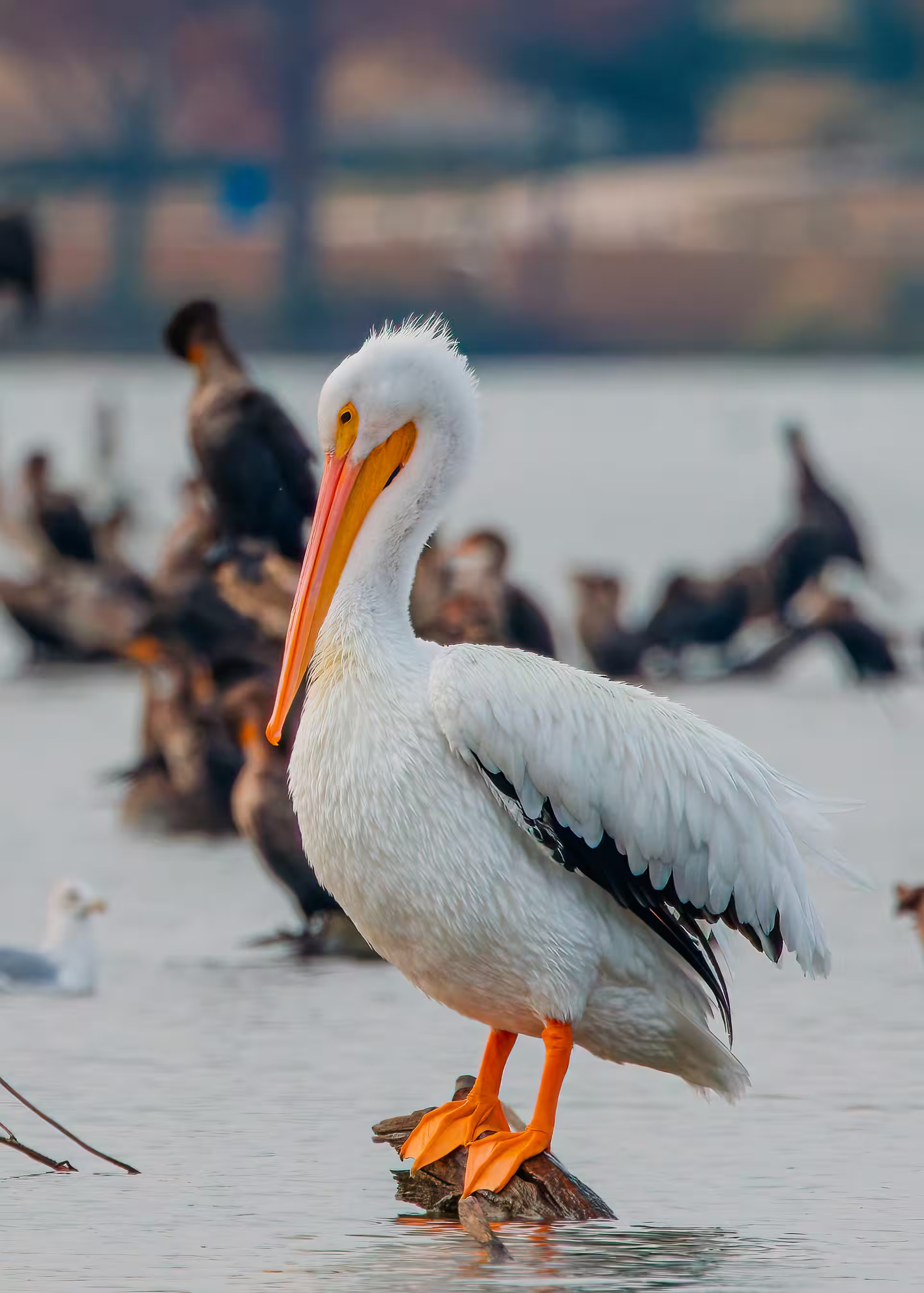
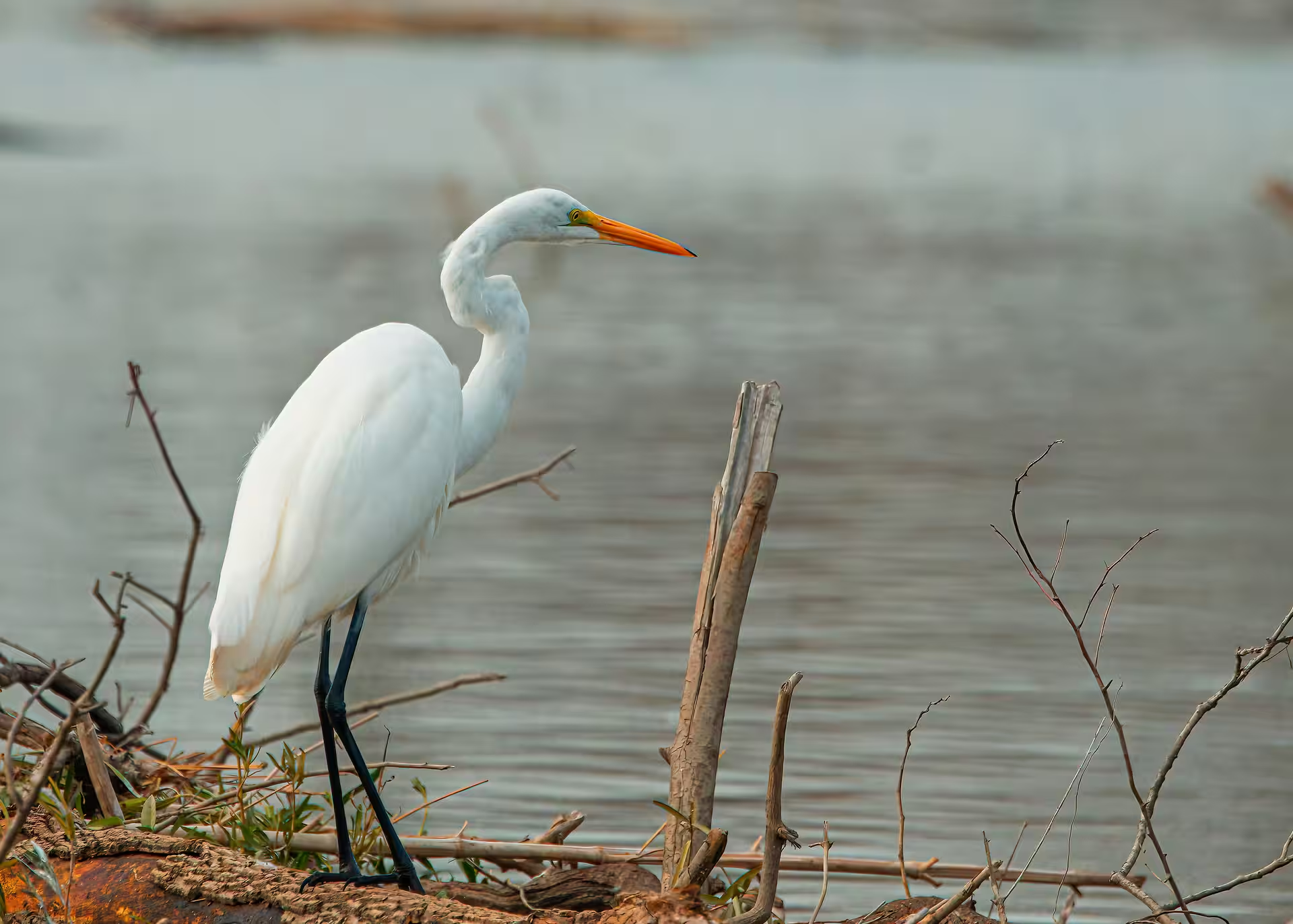
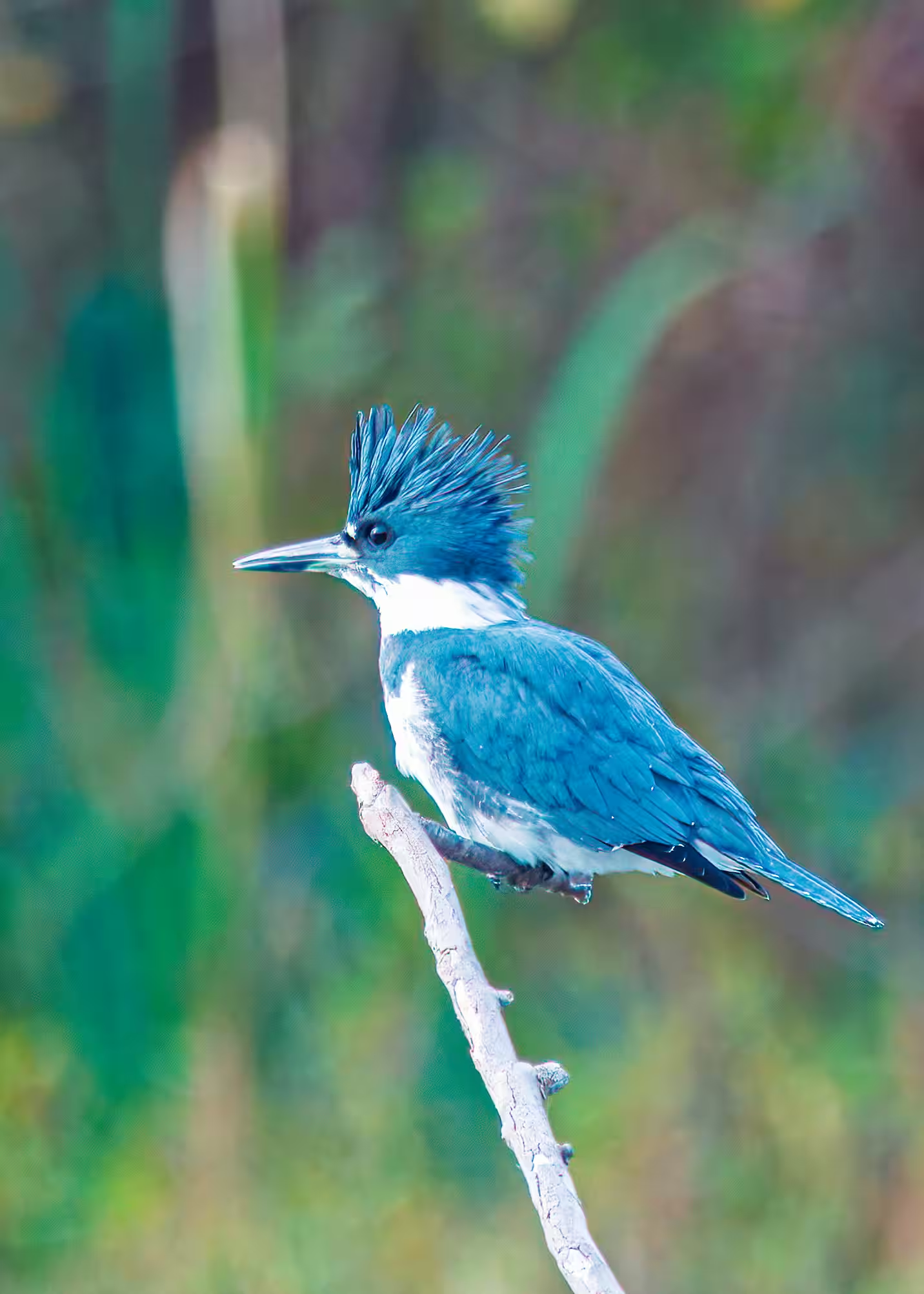
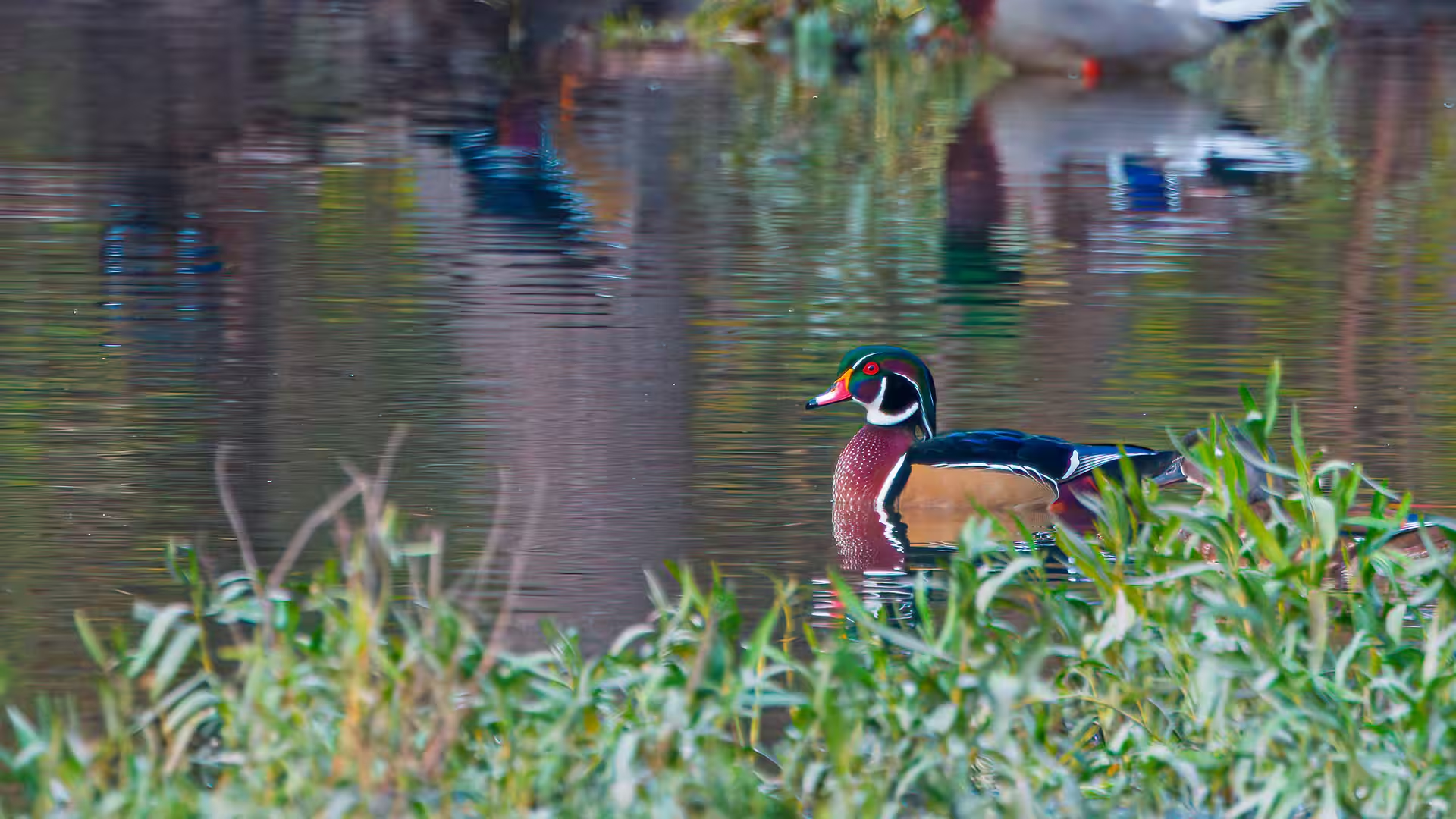
Beyond the lifers, the lake delivered a gorgeous mix of waterbirds — pelicans, cormorants, egrets, and wood ducks working the coves — while songbirds stitched sound through the treeline. The Belted Kingfisher was the cherry on top: flighty as always, but unmistakable and always a thrill to watch even when the shots don’t come easy.
All told, White Rock Lake gave me exactly what I was hoping for: a handful of new species, a chance to improve on past sightings, and a fresh set of memories from my first time birding in Texas.
White Rock Lake Recap Gallery
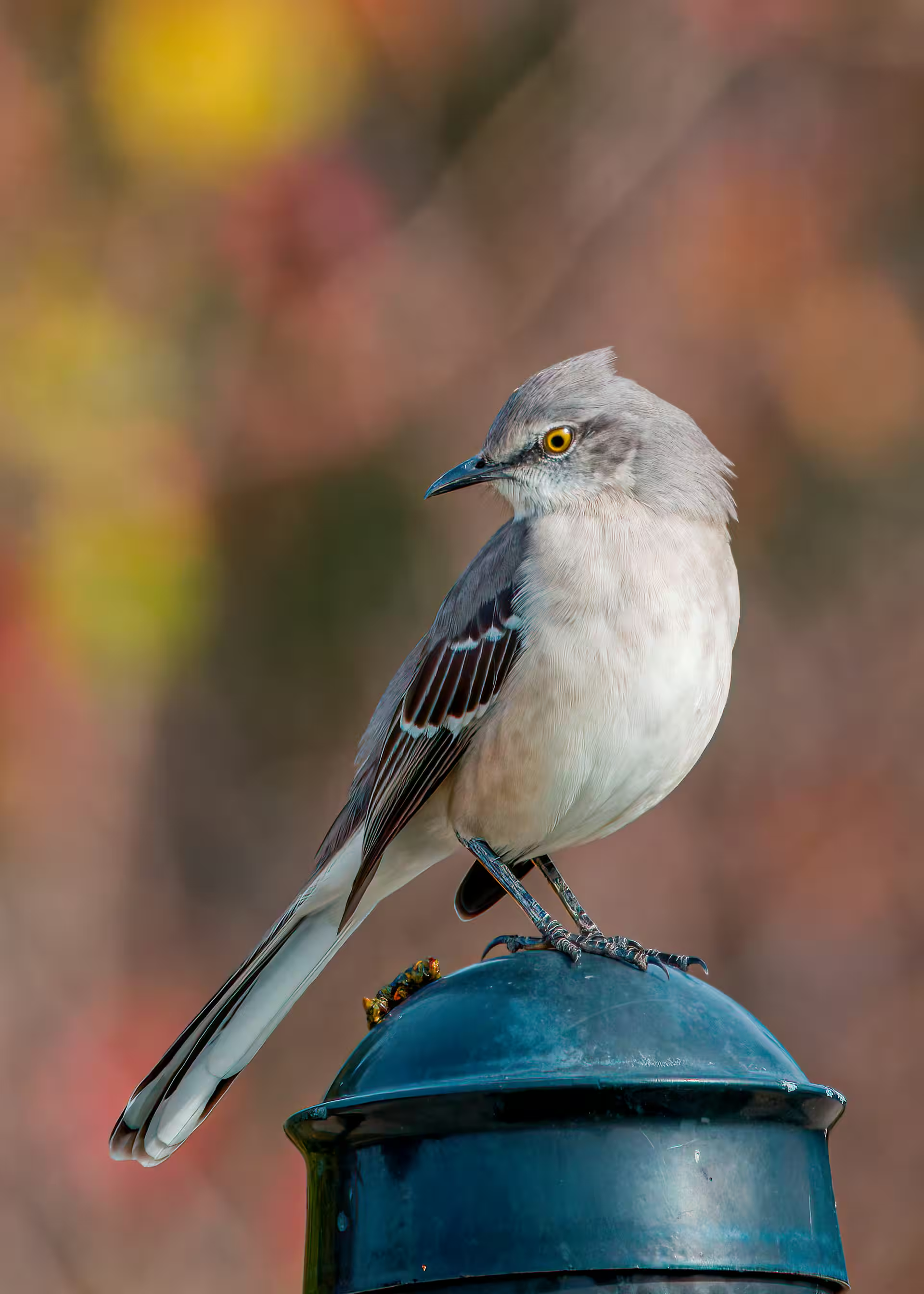
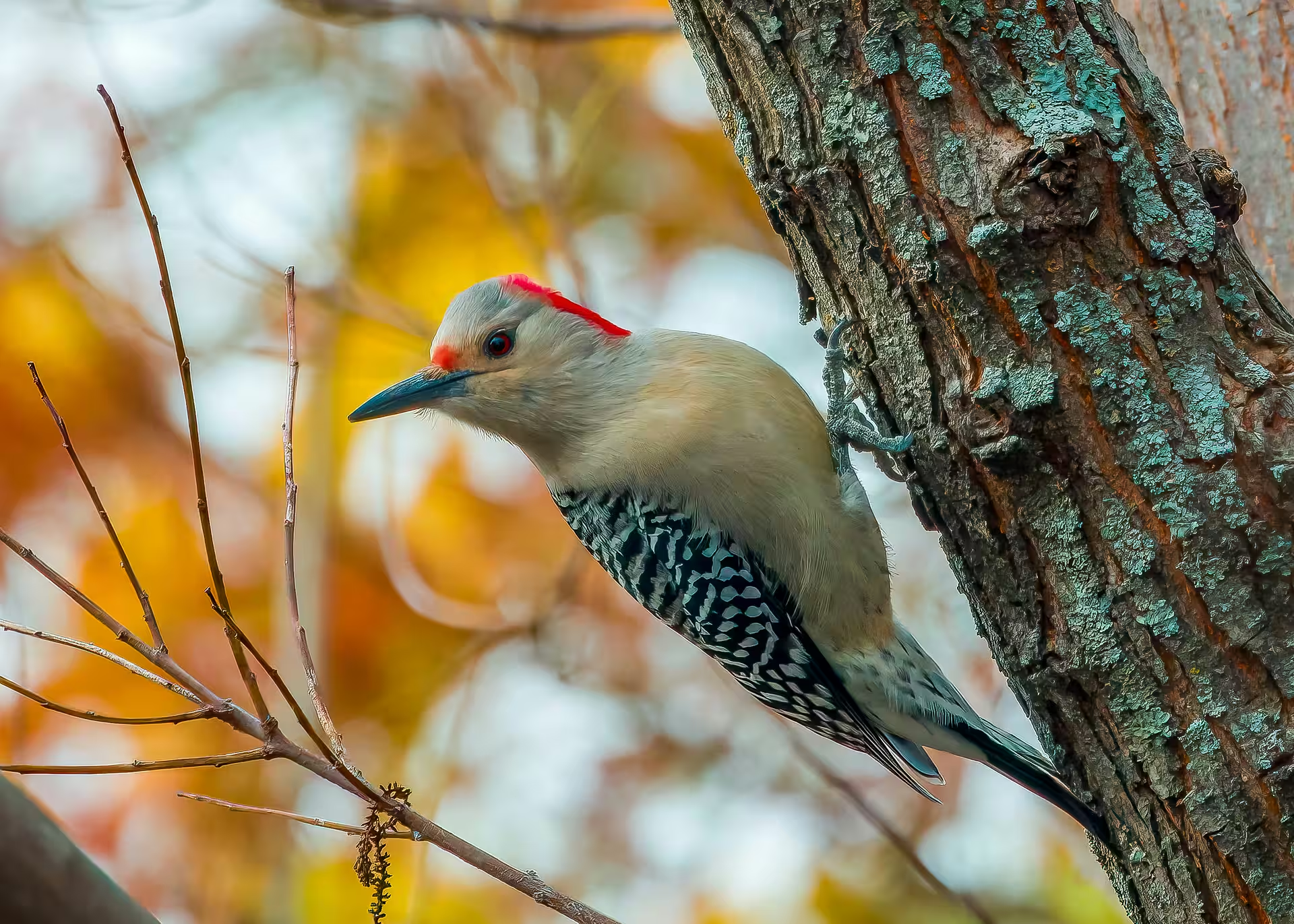
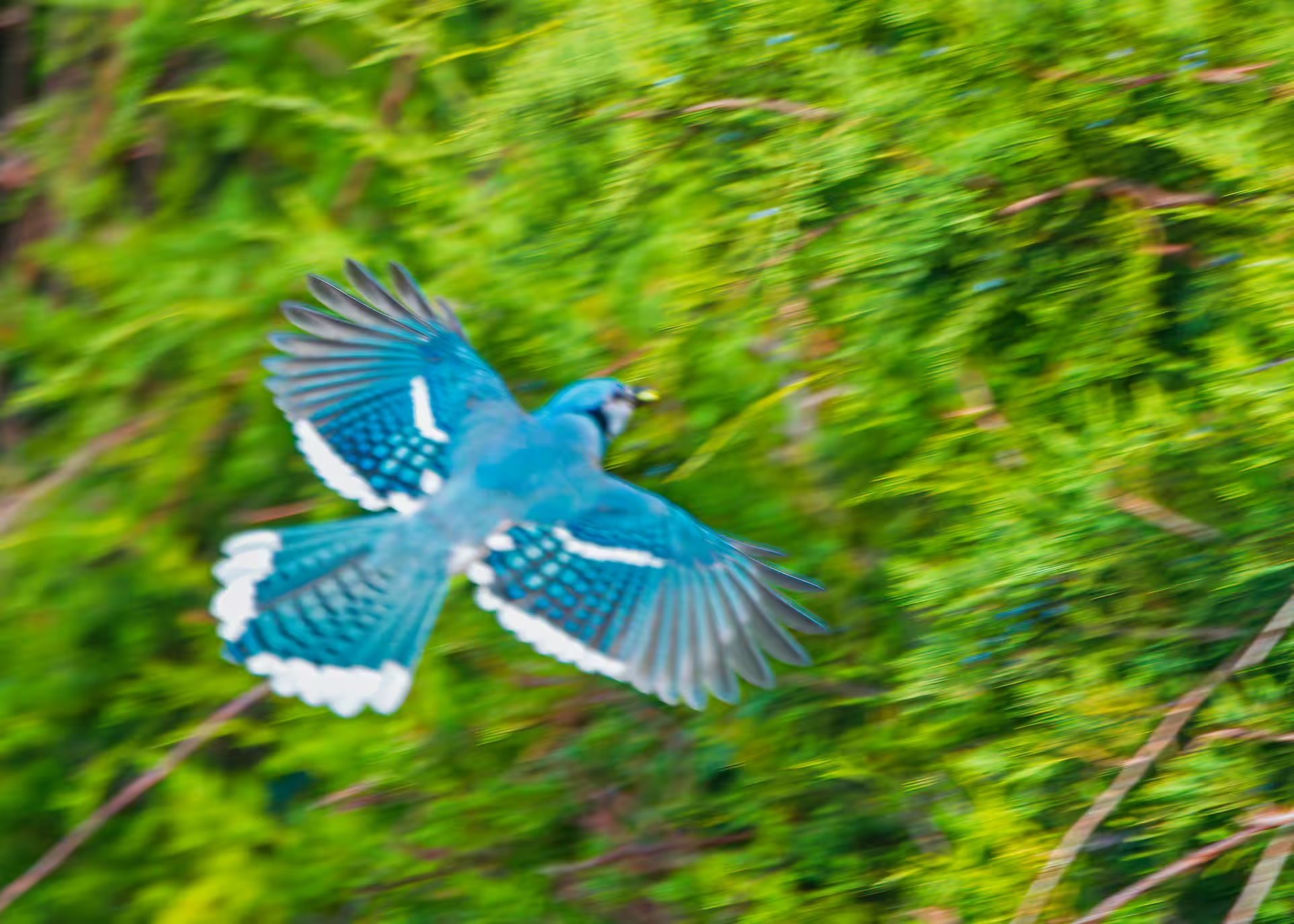
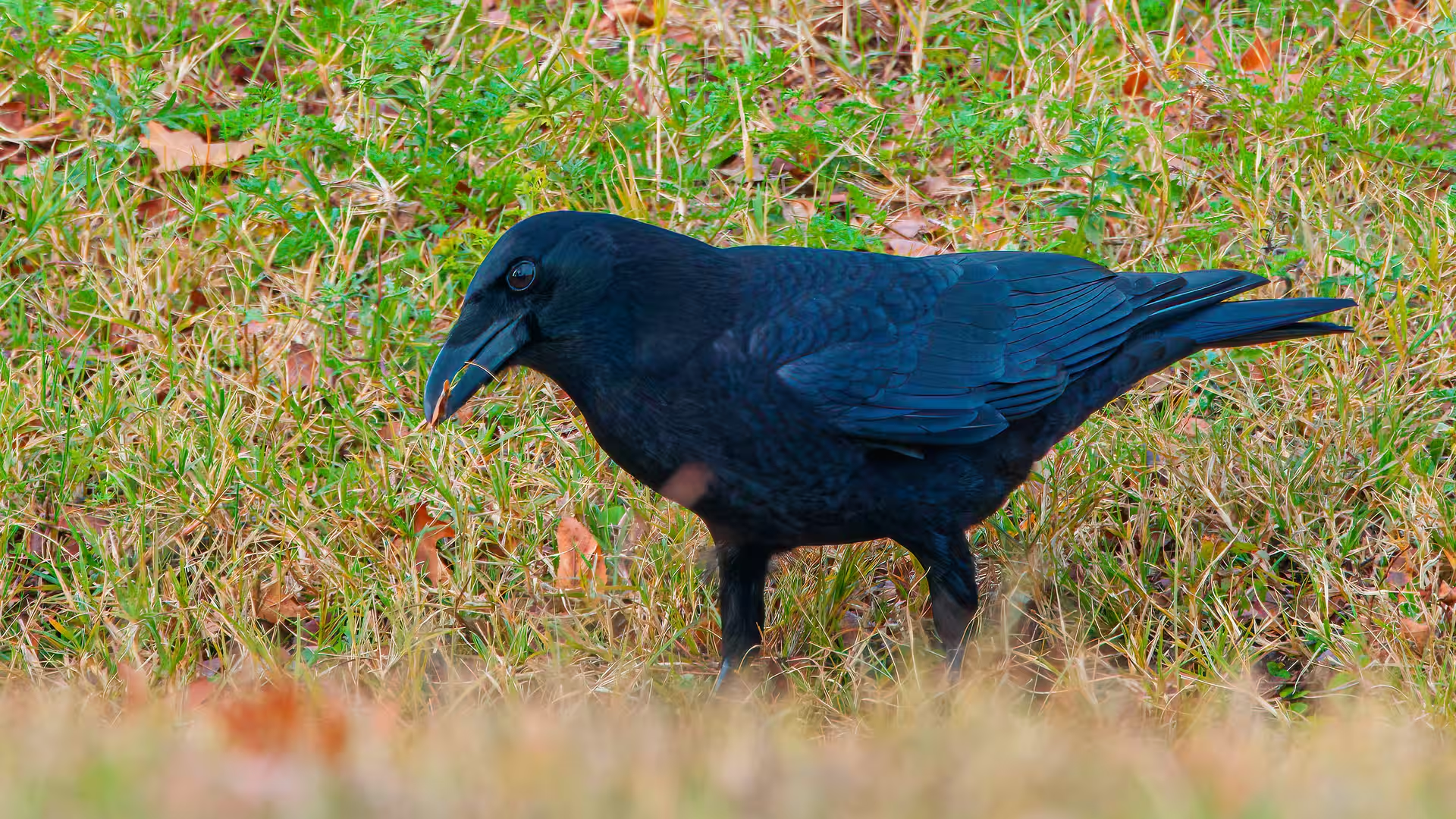
Lewisville Lake Environmental Learning Area (LLELA)
After checking out of our hotel and looking for a way to pass the time before our late-night flight, we made our way to LLELA in the early afternoon. The gate attendant took one look at us and asked if we were sure we wanted to be out on a cold, windy day. To us, it felt almost mild—certainly friendlier than a Utah winter—and with half the reserve still open (the military had reserved the back section for a special event), there was more than enough trail to explore.
We started on the Cicada and Cottonwood Trails with one goal in mind: find a Tufted Titmouse . I was amazed at how friendly they were—far more approachable than chickadees. One hopped from branch to branch with a quirky little twitch, almost posing between each movement. After getting a few solid shots, we continued toward the lakeside hide where an even bolder titmouse awaited us, joined by a hyperactive Ruby-crowned Kinglet who flashed his bright red crest like he was showing off just for us.
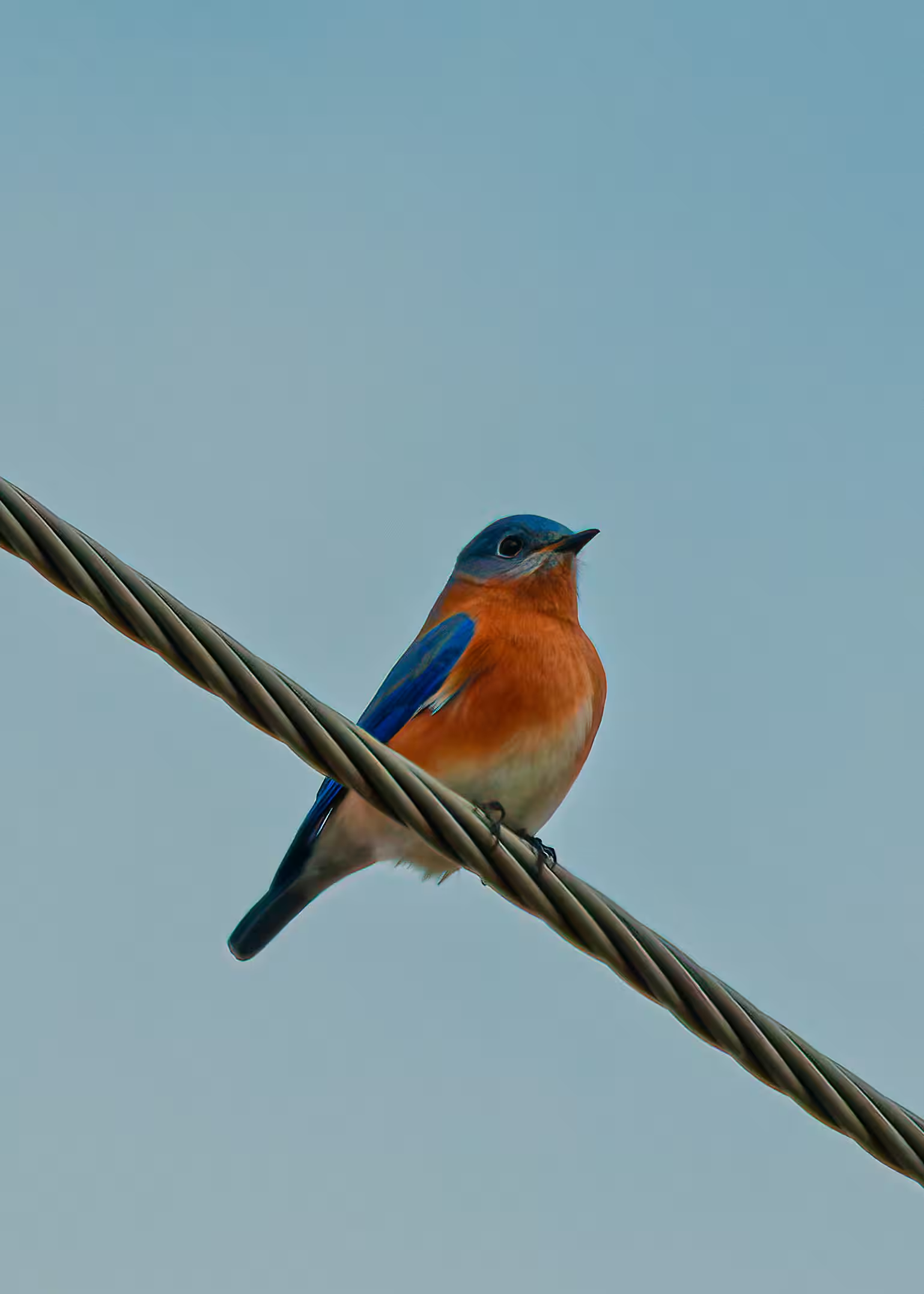
Near the lake edge, I heard the sharp call of another lifer—the Marsh Sparrow . I managed a few quick glimpses but no photos as it darted deep into the reeds. As we neared the parking lot, two birds perched on a wire caught my eye. Against the gray, muggy sky they looked muted, but once I zoomed in, I realized I had stumbled into lifer number three: a brilliantly colored Eastern Bluebird .
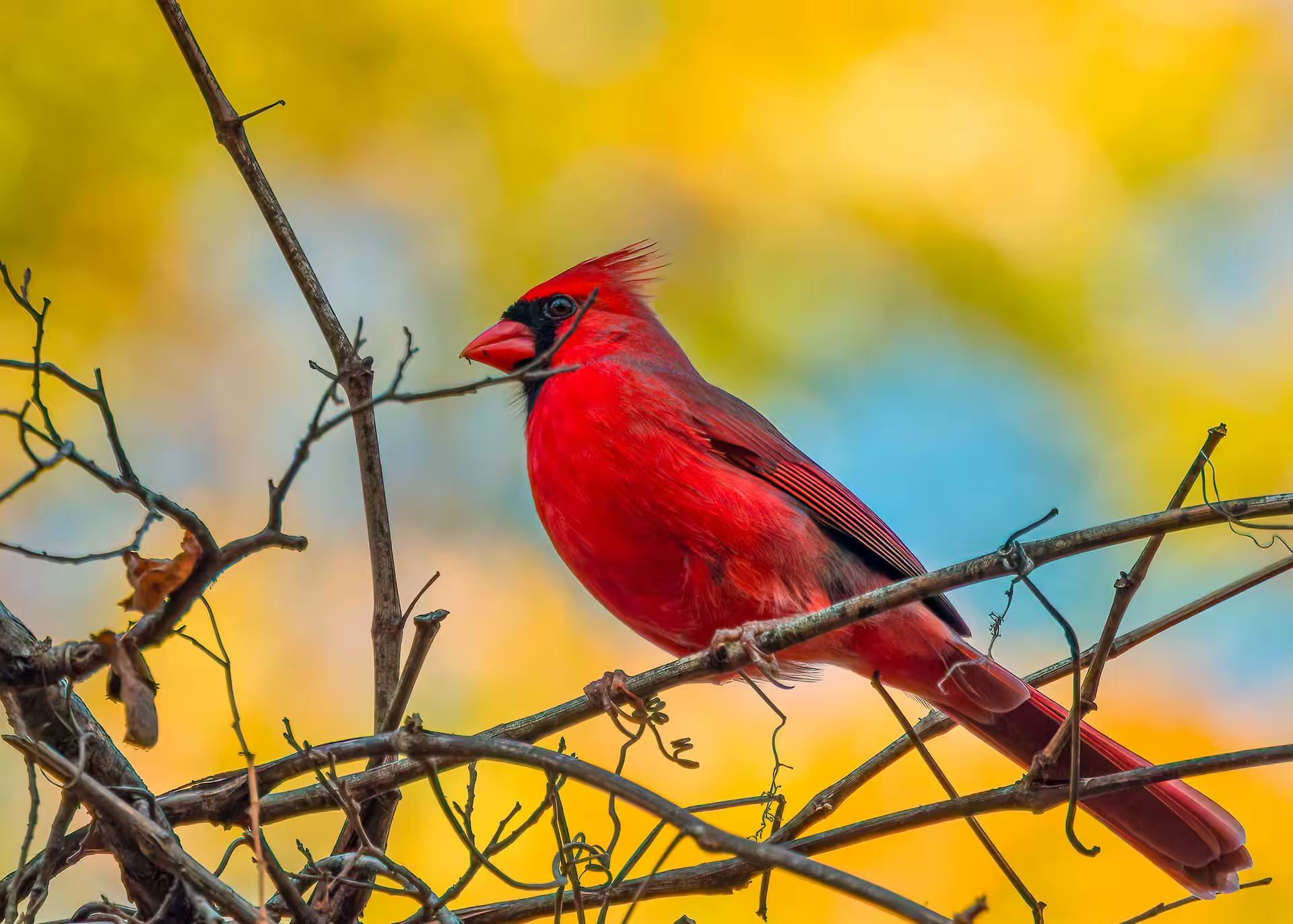
With spirits high, we set off on our final trail—Blackjack—just as the sun began to break through the clouds. The light revealed a stunning Northern Cardinal , glowing bright red against freshly lit branches. Further down the trail, a small flock of sparrows sat perfectly in a sunbeam. To my surprise (and delight), they turned out to be Field Sparrows —another lifer to wrap up the hike.
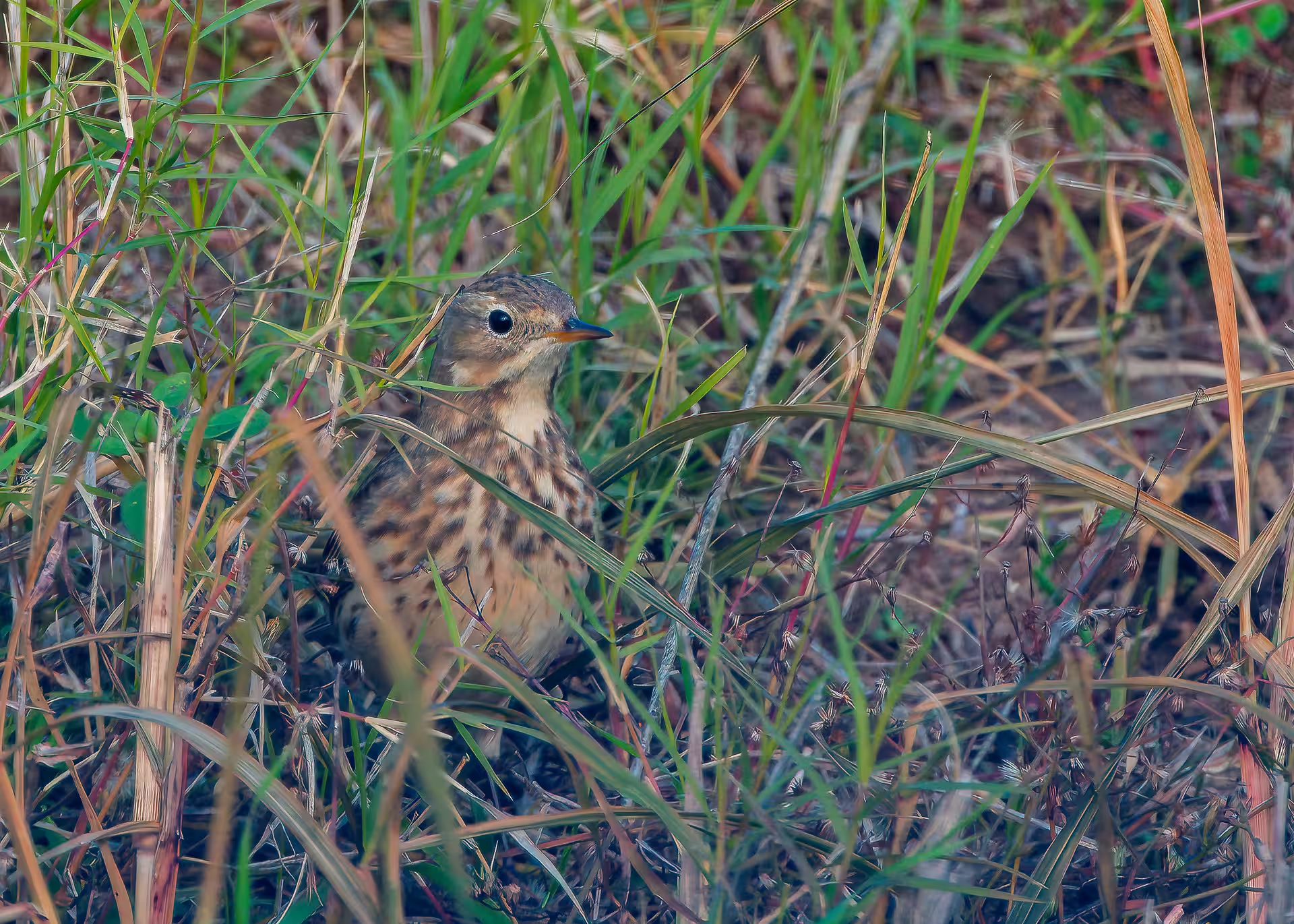
Out in the open fields, we found even more action. Pipits and sparrows flushed from the grasses around us—far more than I expected. Until now, I’d only seen American Pipits along the shores of Antelope Island, so watching them blend seamlessly into tall grassland habitat was a fun and unexpected change.
We wrapped the day with a quick recharge stop at Pappadeaux before heading to the airport. Four lifers, great hikes, and a completely different slice of Texas birding—what an awesome way to end the trip.
Lewisville Lake Environmental Learning Area (LLELA) Gallery