Provo Library Field Trip
Field Trip Recap • September 12, 2026
Quest Overview
29 Species — Our Biggest Library List Yet Belted Kingfishers Buzz the Group A Hidden Sora Revealed in the Photos
Table of Contents
Setting Out
We set out with a simple challenge: seven Common Finds, three Uncommon Gems, and plenty of room for whatever else the delta wanted to show us. The worksheet was never meant to be a script. It was a way to give new birders a few birds to watch for, a few clues to notice, and a reason to keep looking.
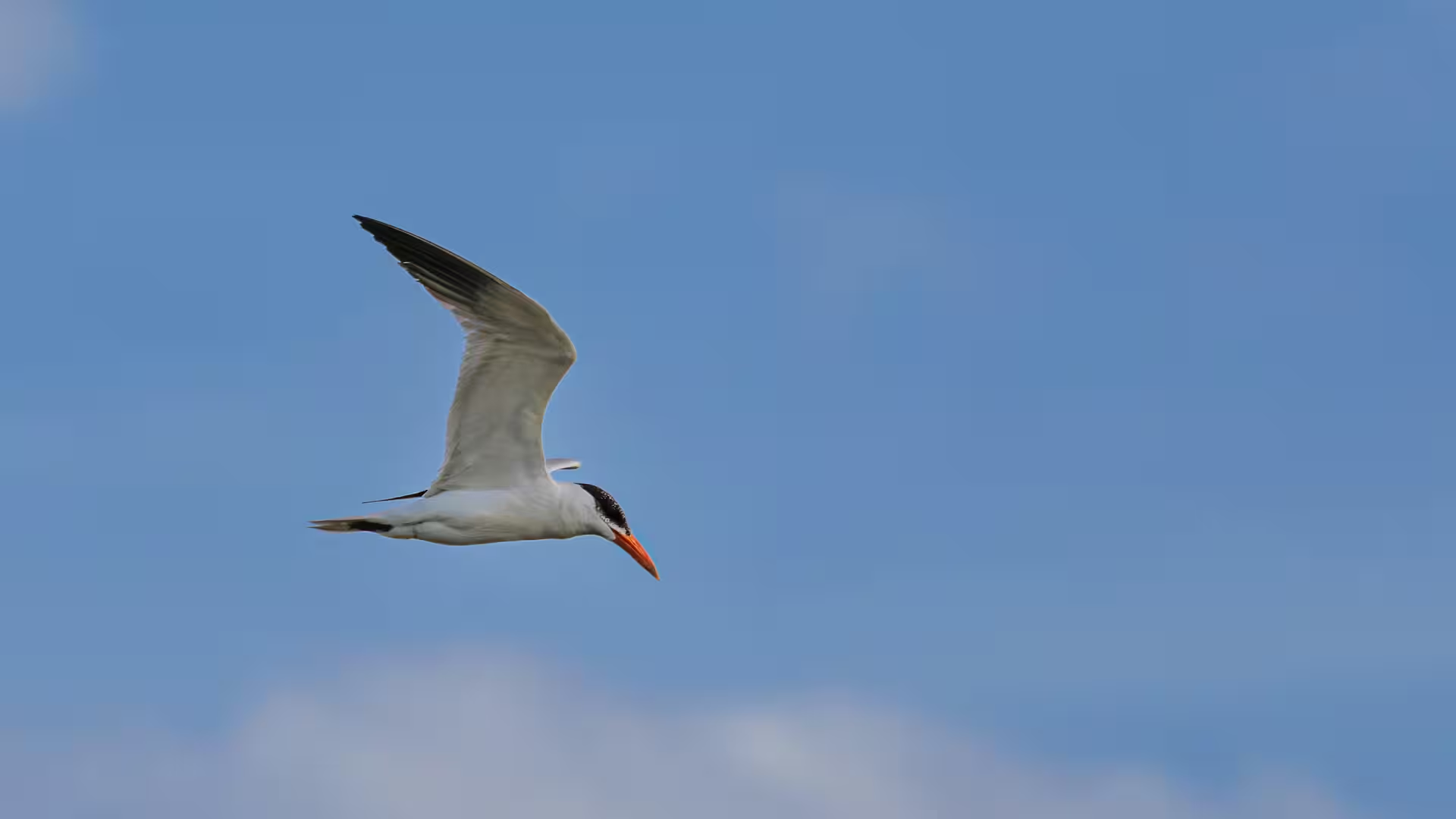
The Common Finds included birds we had good reason to expect—Red-winged Blackbird, Song Sparrow, Great Blue Heron, Killdeer, Caspian Tern, Black-capped Chickadee, and American Coot. Then we added three harder targets: Sora, Marsh Wren, and Belted Kingfisher. If someone found another member of the same family, that counted as a discovery too. The point was to notice first and sort out the exact name together.

Where Are the Birds?
For the first stretch, the worksheet felt wildly optimistic. The channel that normally holds a nice patch of marsh water was not just low—it was gone. A distant Killdeer called somewhere out ahead, Western Meadowlarks were barely audible across the fields, and looking into the morning sun we could not get eyes on much of anything.
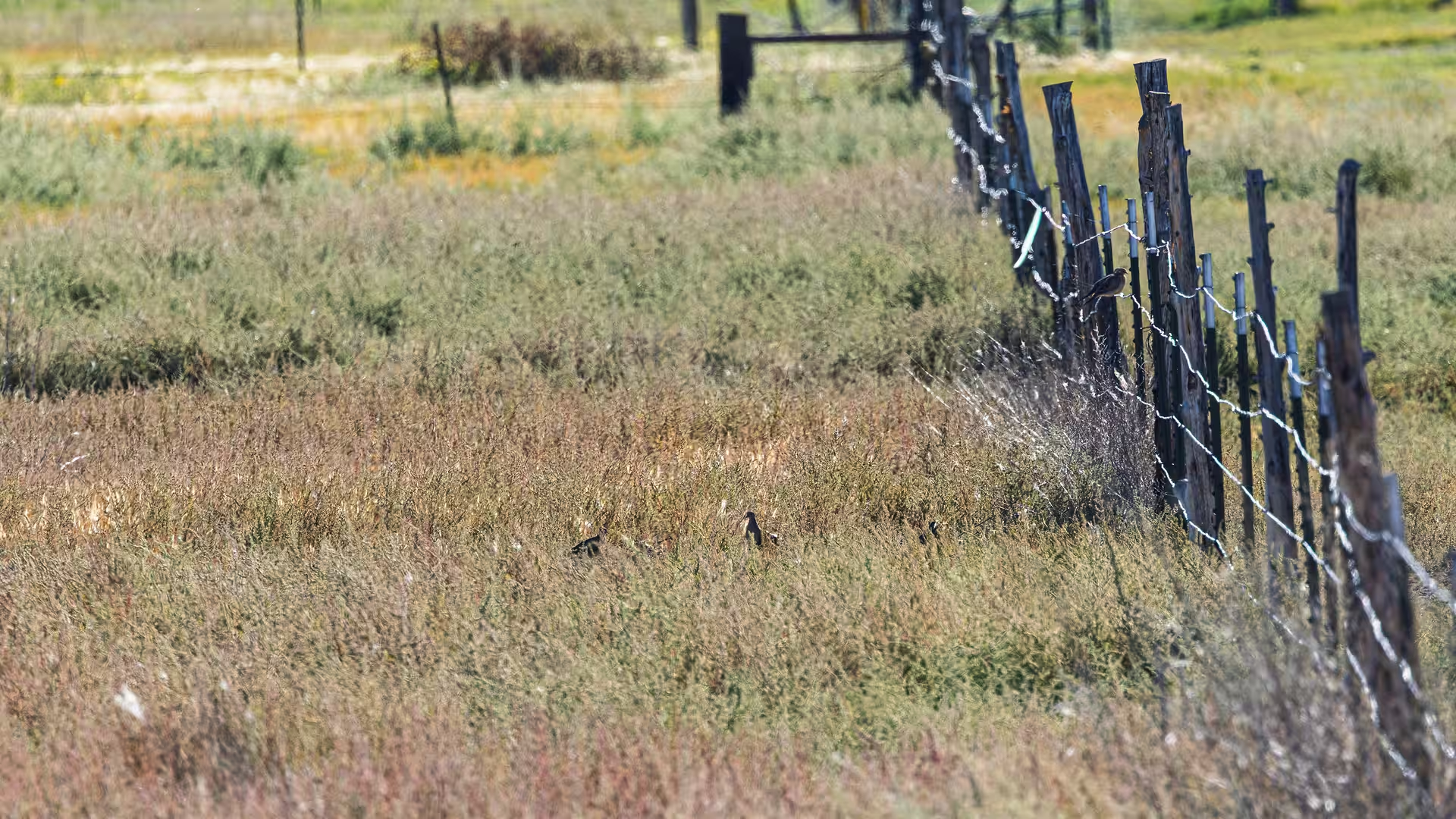
For a group of about forty people who had come to find birds, it was an unnervingly quiet beginning. Then we reached the tree line and the whole morning changed.
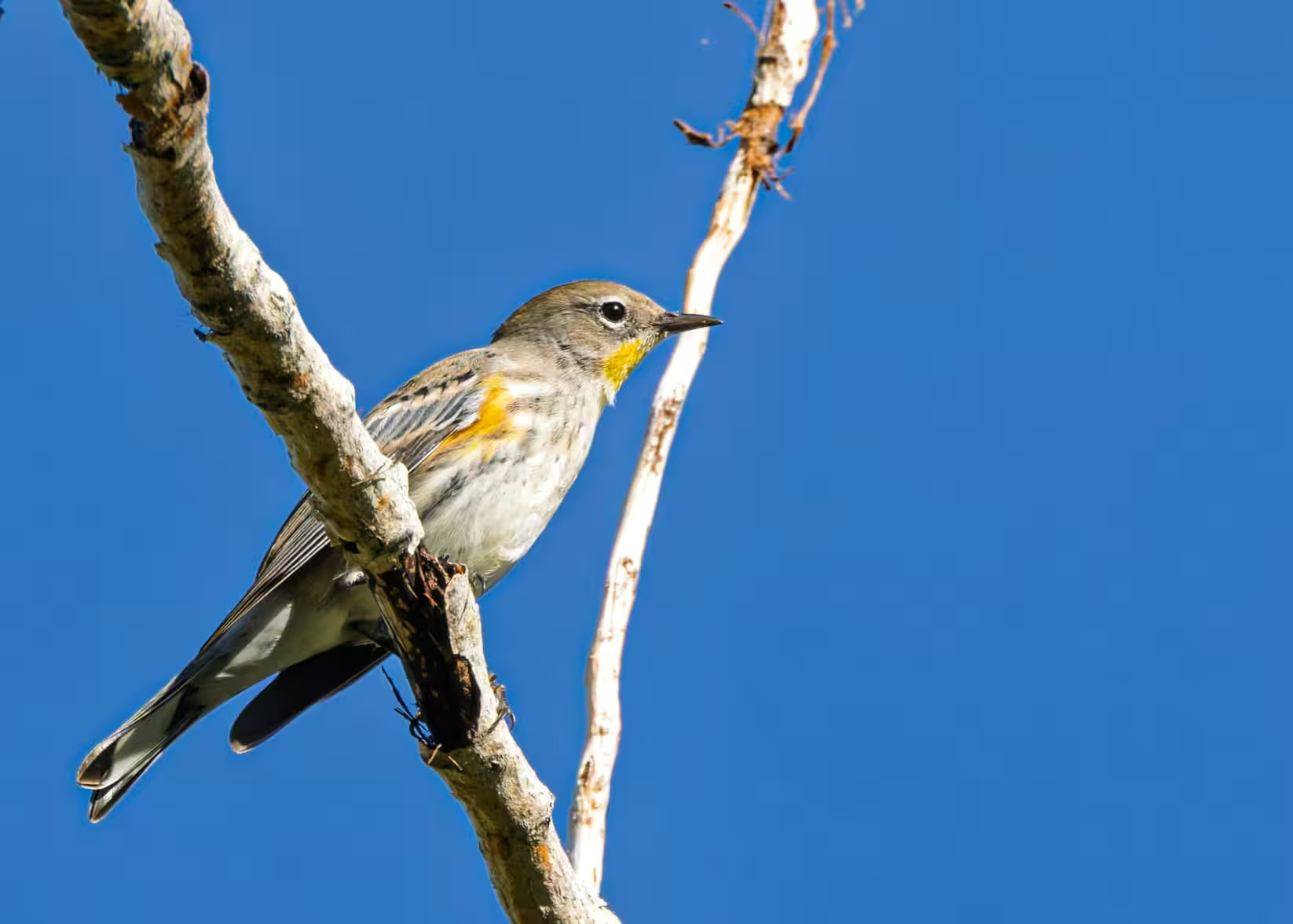
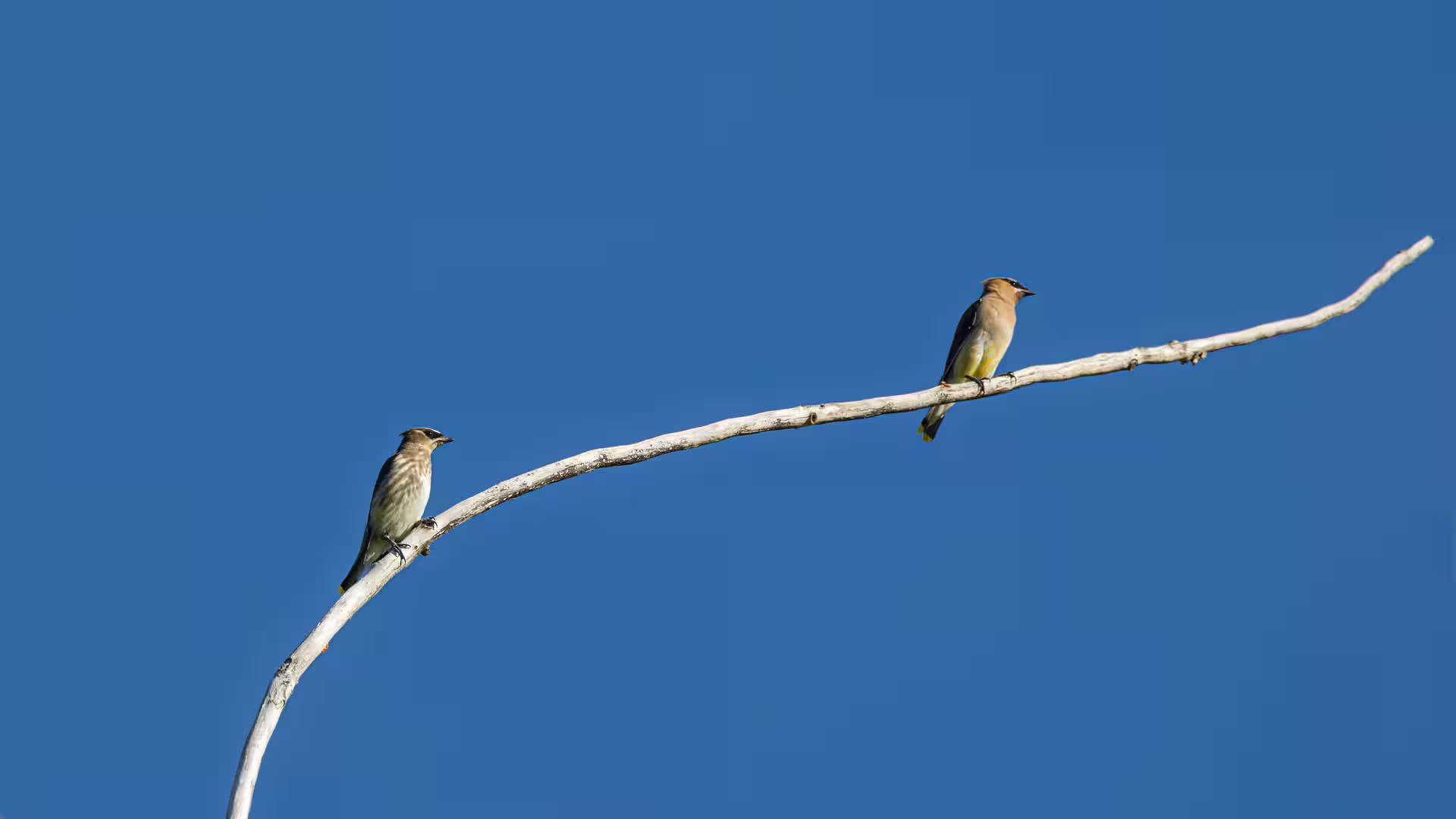
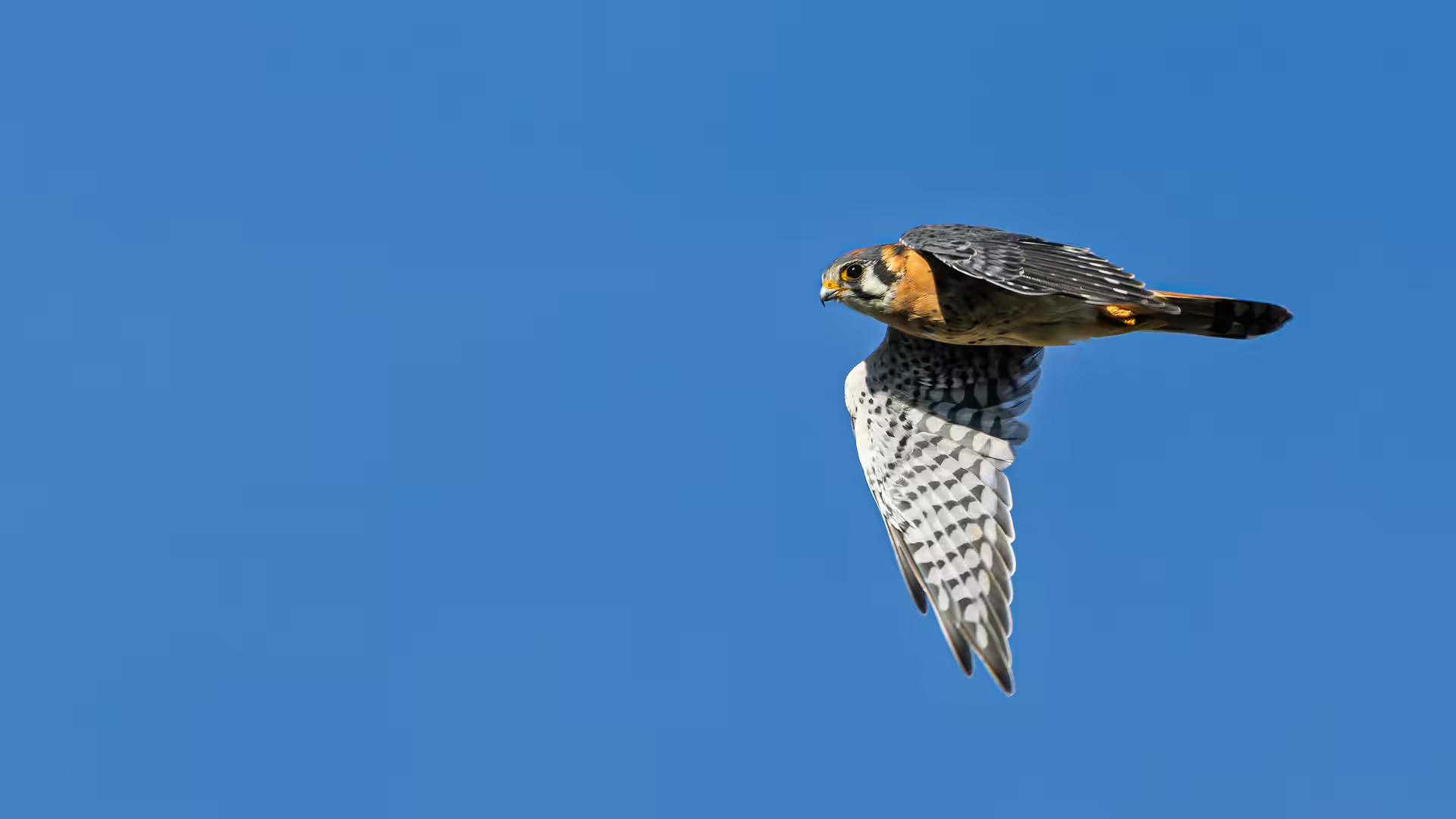
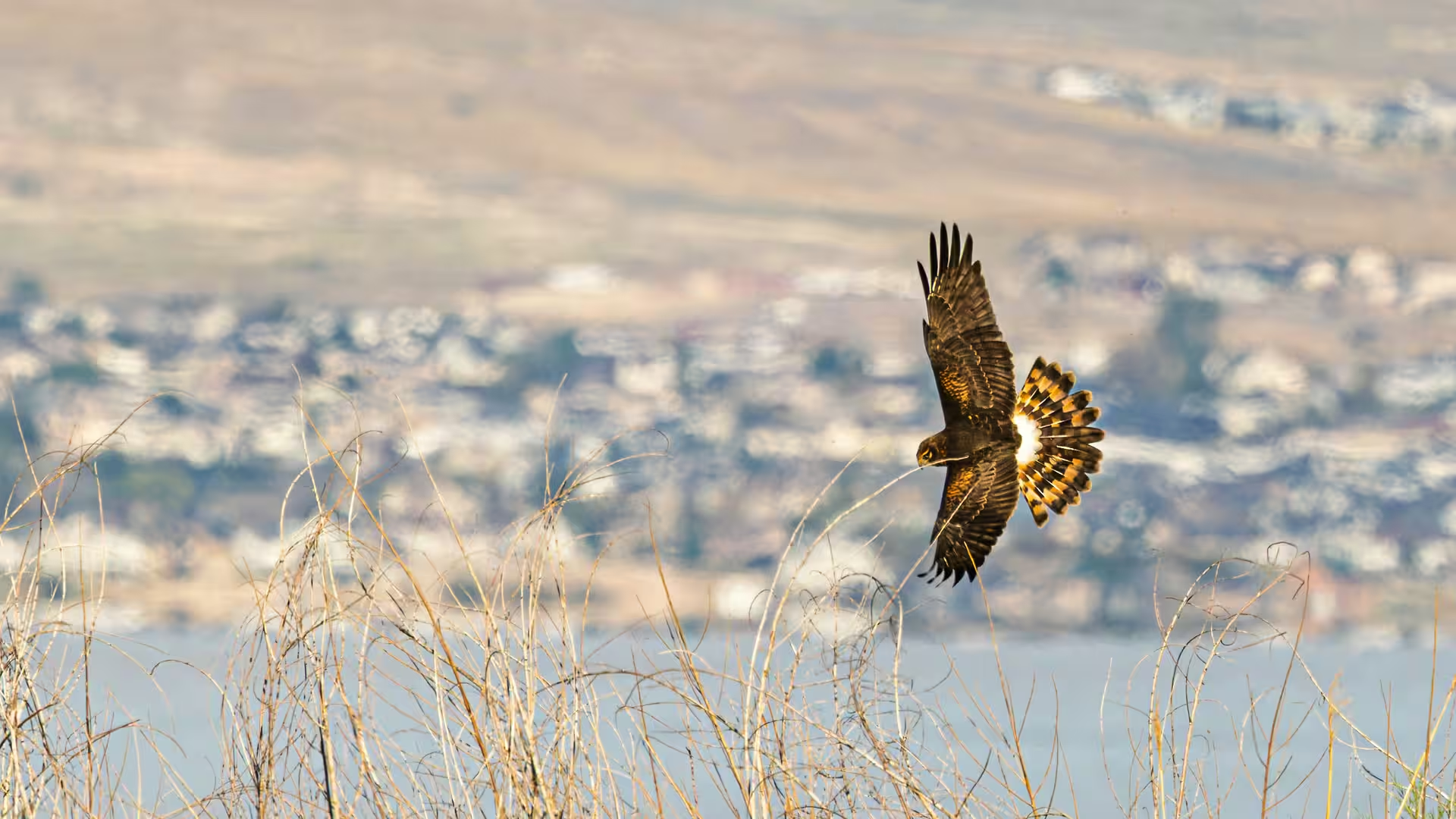
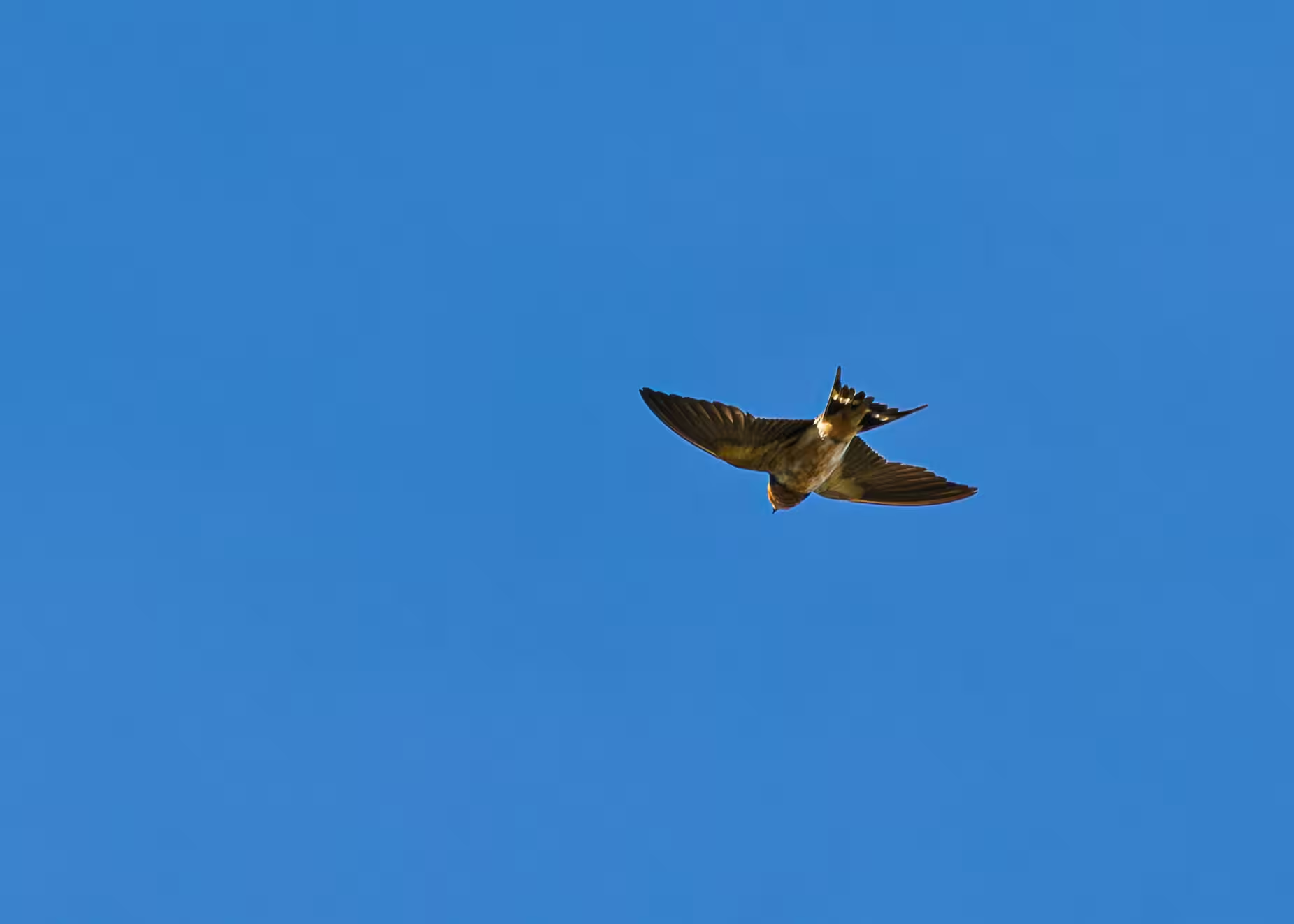
Cedar Waxwings appeared overhead. American Kestrels gave us clean looks. Black-capped Chickadees worked through the branches. Barn Swallows swept across the sky, giving us a chance to notice their pointed wings and deeply forked tails. Goldfinches moved through the area, Yellow-rumped Warblers joined the mix, and a Northern Harrier cruised low over the marsh with its white rump flashing as it banked.
The group started doing the finding. Someone would call out movement, another person would get binoculars on it, and soon people were helping each other locate birds in every direction. Instead of wondering whether we would find anything, we suddenly had more to look at than one guide could point out at once.
The Kingfisher Buzz
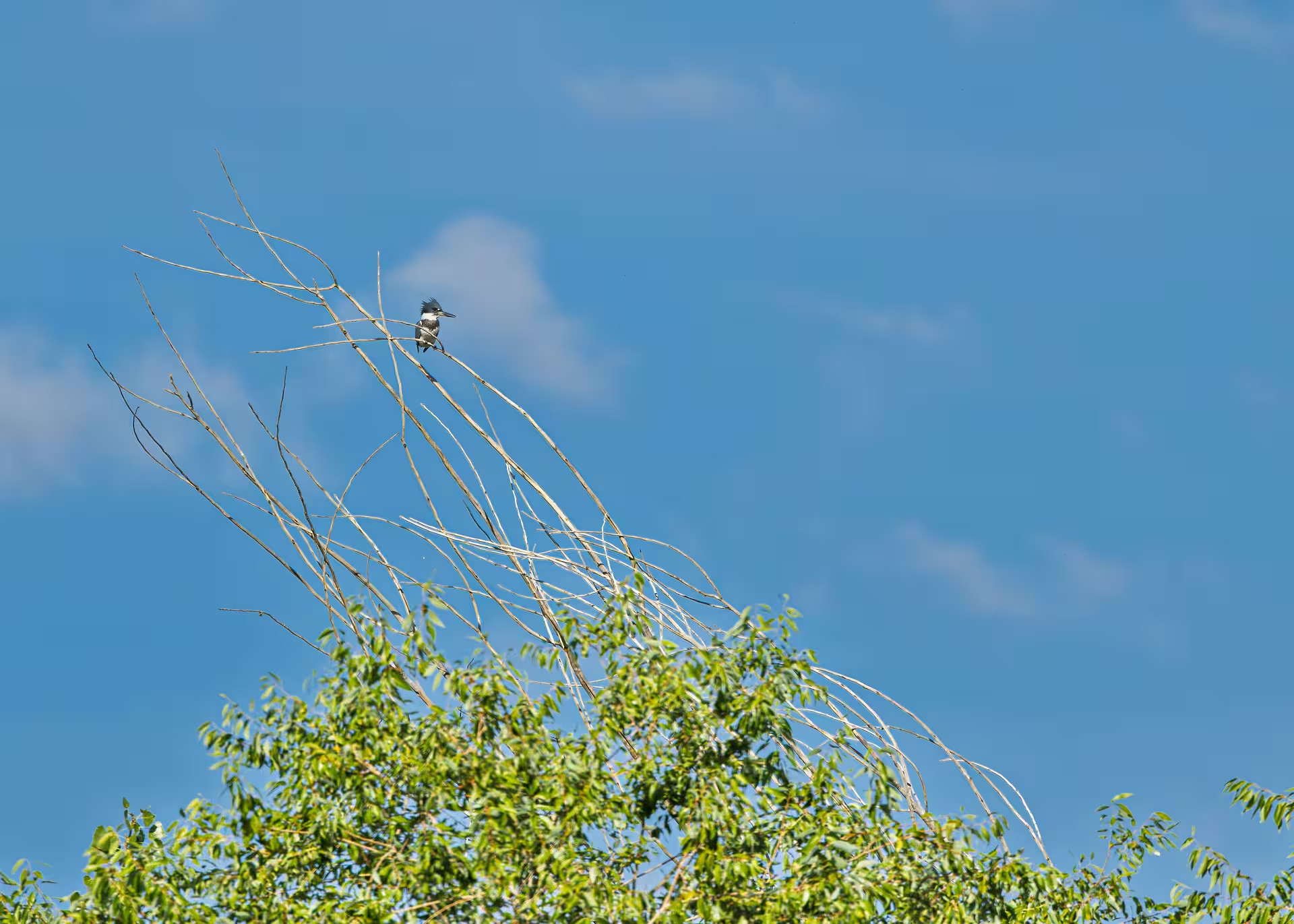
Belted Kingfisher was one of the birds I least expected us to check off. I had never seen one on this part of the delta, so it went onto the worksheet as a true Uncommon Gem. On the way toward the observation tower, I thought I heard one—but hearing a kingfisher and actually finding it are two very different things.
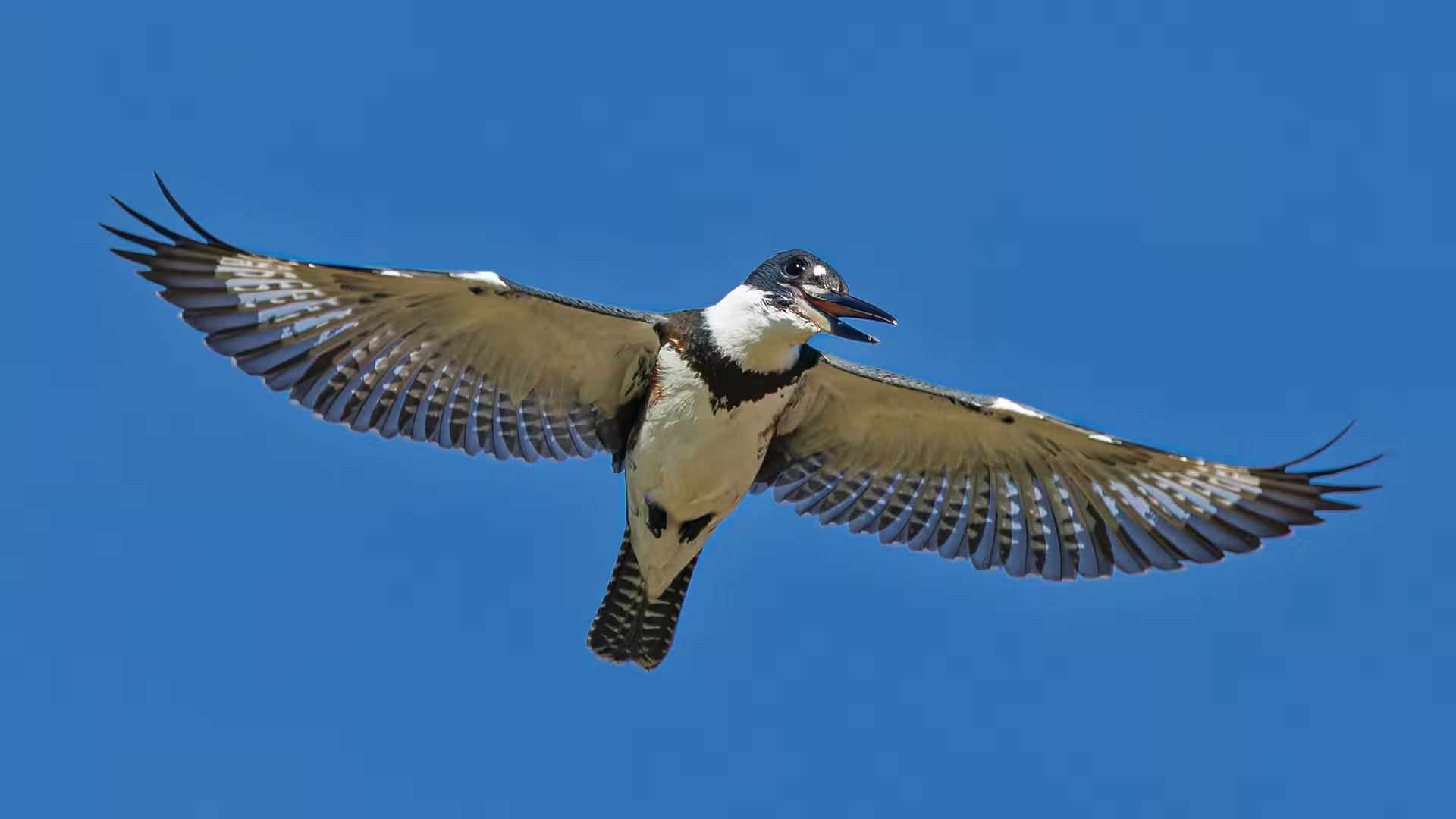
Then a kid in the group spotted it behind us, perched far off in a tree. I moved for a better photo just as it took off and, thinking we had lost our chance, said, ‘Dang it.’ Instead of disappearing, the bird banked, turned, and flew right over the group. A distant little shape had suddenly become one of the best looks of the morning.
We eventually recorded two Belted Kingfishers. One of the worksheet's longest shots had turned into a bird almost everyone got to experience together.
The Tower Delivers
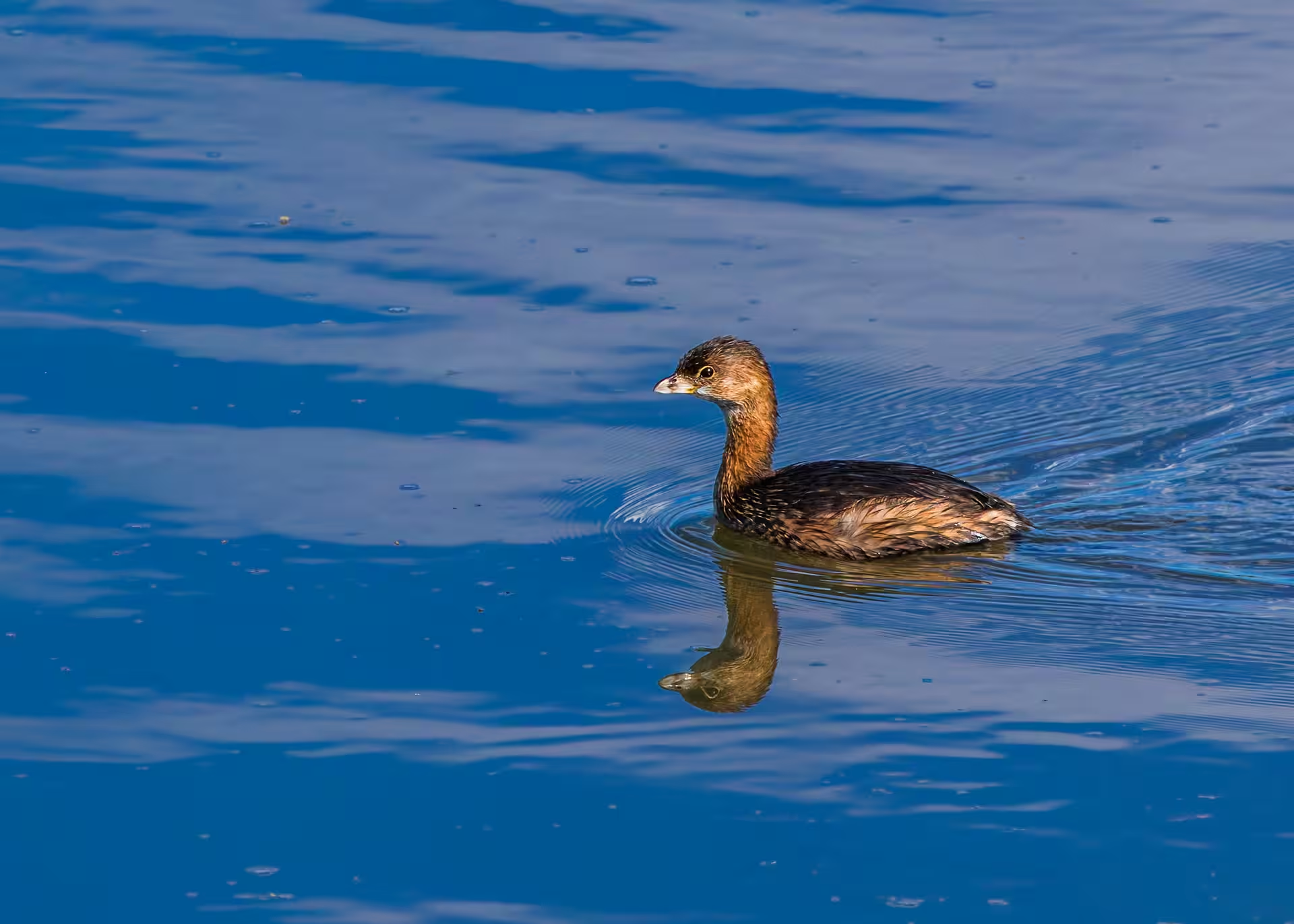
The next burst came as we reached the observation tower. Eight American White Pelicans lifted off just as we arrived. I completely missed the photo, but nobody missed the birds. Snowy Egrets remained below with Mallards and more Killdeer, while a Pied-billed Grebe worked the water.

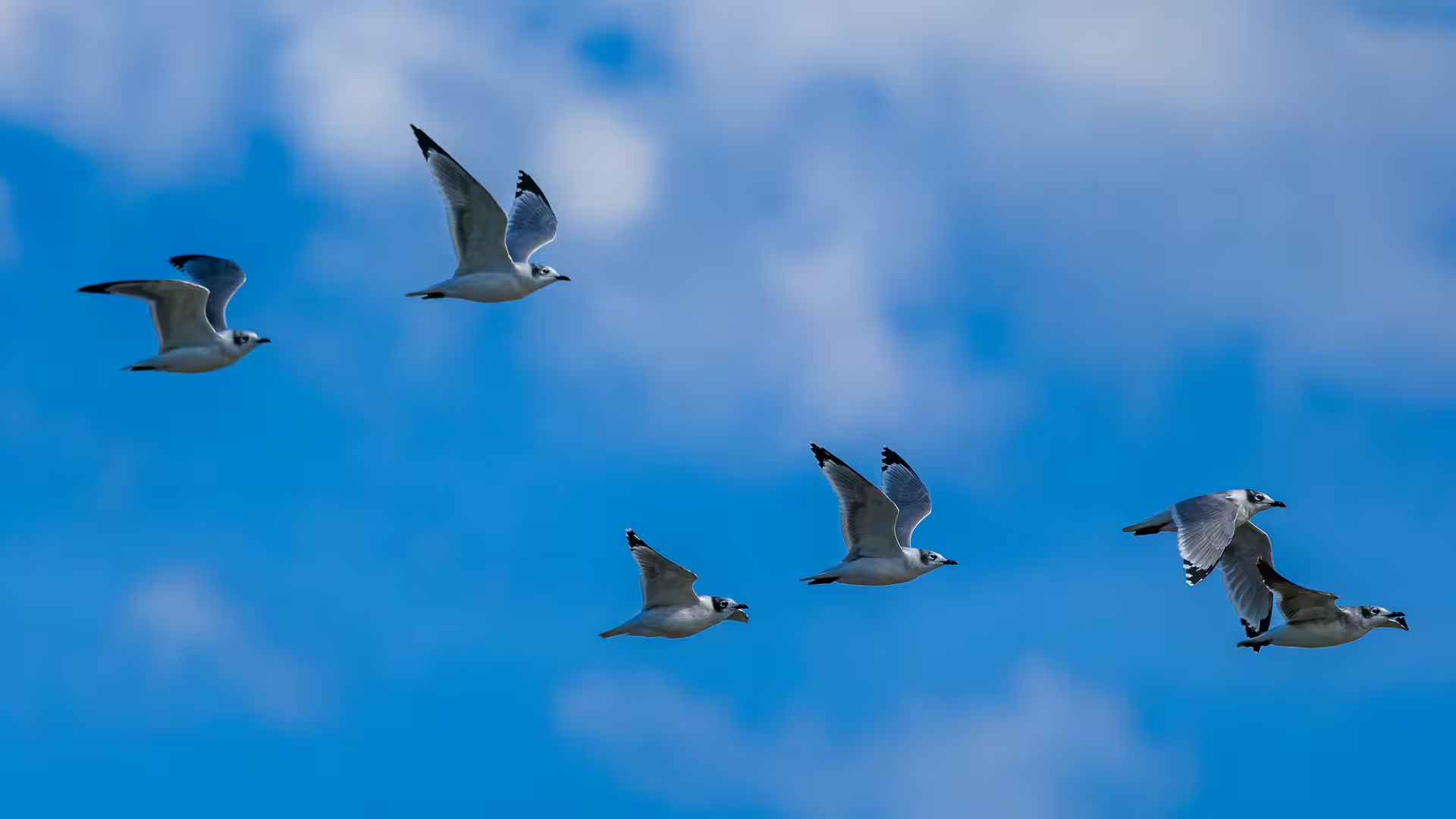
From the tower we added a Red-tailed Hawk, checked the Bald Eagle nest in the distance, watched dozens of Franklin's Gulls moving through, and found an Osprey perched high on its pole with two Double-crested Cormorants below. A White-faced Ibis crossed in the distance, too.
This was also where the group really became part of the field guide. People were pointing out shapes they could not yet name, comparing what they were seeing, and asking how to tell one bird from another. One participant found a strange-looking duck that stumped me too; Merlin Photo ID helped us work it out as a domestic Mallard. The useful part was not already knowing the answer—it was knowing how to keep investigating.
Mystery of the Sora
This is a Sora, a small marsh-dwelling rail: bright yellow bill, dark face, gray breast, barred sides, and long yellow-green legs. In a field guide—or a nice photograph—it seems pretty distinctive.
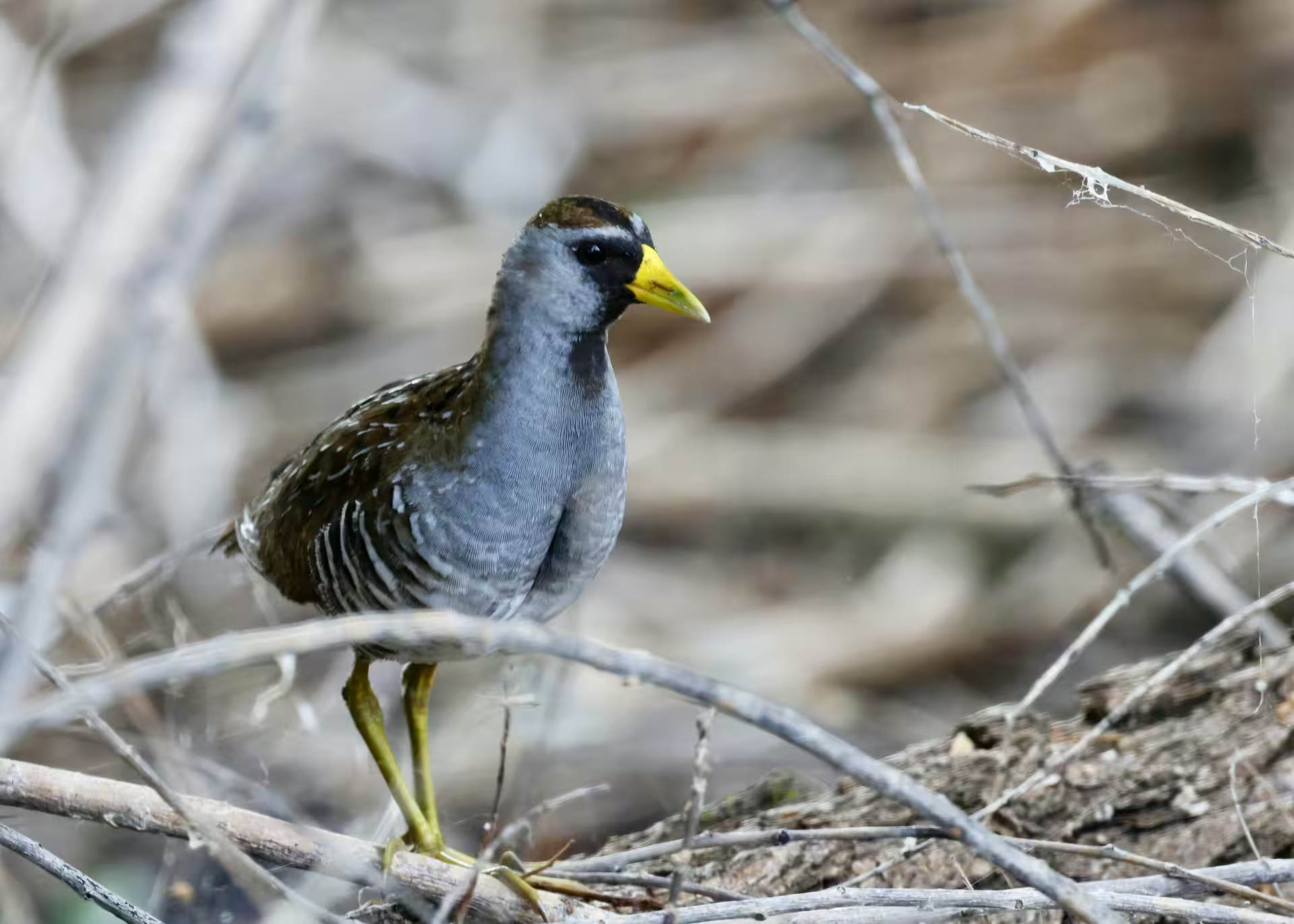
Now try finding one in the field. A woman in our group spotted what looked like a rail across the water. I got on it for a moment, raised my camera, and then all I could see were Mallards. I fired a few frames anyway.
We tried calling for a couple of rail species, but nothing responded. It was not until I reviewed the photos later that I realized the bird had never really disappeared. It was standing in the deep shadows beside the ducks.
That is one of my favorite kinds of birding lesson. You do not always need to know what you are looking at. The first step is simply noticing that something looks different.


What We Found
The worksheet did not unfold the way we expected. Red-winged Blackbird and American Coot had felt like two of the safest Common Finds, and we never found either one. Even Song Sparrow—another bird I expected early—waited until the return walk to finally appear.
Meanwhile, the Uncommon Gems nearly swept the board. We confirmed the Sora and two Belted Kingfishers. A smaller group exploring a side trail reported a Marsh Wren deep in the reeds. We left that one off the official checklist because we did not have enough confirmation, just as we left off the yellowlegs Merlin detected several times without a visual.
That mix of certainty and uncertainty became part of the morning. Someone spotted the rail without knowing exactly what it was. Other people found raptors, called out movement, shared binoculars, compared sounds, and helped the rest of the group get onto birds. Forty sets of eyes and ears could cover a lot more delta than one person could.
By the time we wrapped up, the official checklist held 29 species—our biggest Provo Library field trip list yet. The final stretch finally gave us Song Sparrows and American Robins, along with more chances to revisit birds we had already found.
As we were finishing, a camper nearby asked what we had seen. After hearing about the morning, he looked out toward the delta and decided he needed to get out there and find some of those birds himself.